Transformed by His Presence: Lessons from the Waterpots
"And there were set there six waterpots of stone, after the manner of the purifying of the Jews, containing two or three firkins apiece." - John 2:6
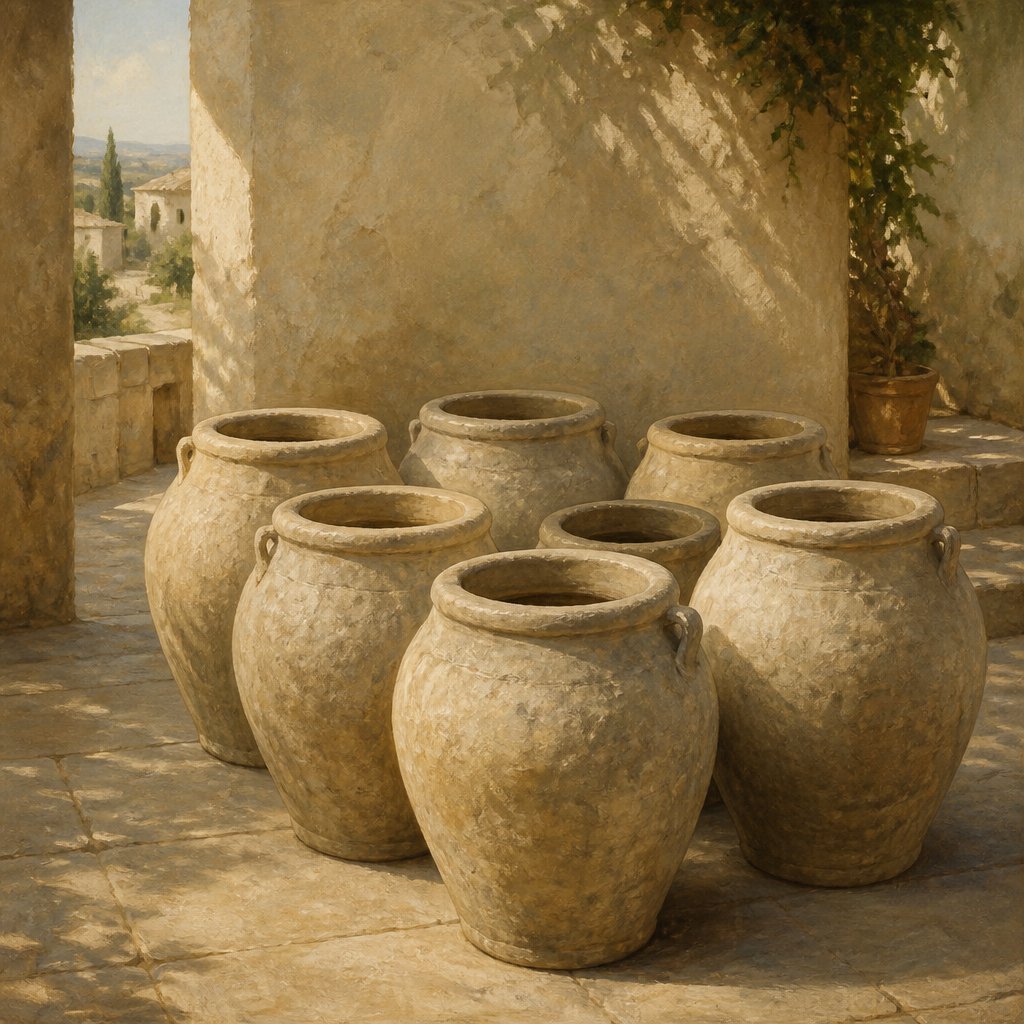
As we delve into John 2:6, we are presented with a seemingly simple yet profound scene: “And there were set there six waterpots of stone, after the manner of the purifying of the Jews, containing two or three firkins apiece.” At first glance, it may feel mundane, but there is deep significance within the details that unveil the transformative power of Christ.
In this passage, we find ourselves at a wedding in Cana, a place known for joy and celebration. Yet, as is often the case in life, challenges arise. The wedding feast ran out of wine, a calamity that threatened to overshadow the festivities. This is where the six waterpots come into play, serving as a potent symbol of both old traditions and the new covenant ushered in by Jesus.
**1. The Purpose of the Waterpots:**
These waterpots, set there for the Jewish rite of purification, remind us of the old covenant and the law that God had established among His people. In their physical form, they represented not only the tradition of purification but also the limitations of the law itself—rituals that could not truly change the heart. When we look at our own lives, we may find ourselves striving in the traditions and rules we have established, looking for validation or acceptance through our own good works.
**2. The Number Six:**
The number six is significant; it signifies imperfection in Biblical numerology, falling short of the number seven, which represents completion and perfection in God’s design. The presence of these six stone waterpots mirrors our own incomplete state. Each waterpot had a capacity of two or three firkins, which further hints at inadequacy. What are the areas in our lives where we feel insufficient? Where do we seek to fill ourselves with the desires of this world or rely upon our efforts to purify ourselves?
**3. The Transformation:**
It is essential to note what happens next in the narrative. Jesus instructs the servants to fill those pots with water, and without hesitation, they obey. This act of filling represents our willingness to allow Christ to inhabit our lives fully. When Jesus later transforms the water into the best wine, it becomes an emblem of new life and fullness. When we surrender our inadequacies, our 'waterpots,' to Him, we can experience a remarkable transformation—a transformation from dull rituals to the joy of the Spirit.
**4. Obedience and Faith:**
The servants did not question or understand the miracle that would follow. Instead, they obeyed His command. In our walk with Christ, we are often asked to obey in faith before we see the results. Our obedience does not require full understanding; it does require faith, just as those servants acted on Jesus's words without any prior knowledge of what would take place. Are there areas in your life where God is asking for obedience, faith without sight?
**5. The Best Wine:**
Finally, the transformation concludes with the revelation that the best wine is saved for last. This is a beautiful reflection of our journey with Christ. He does not commit to improving the old; instead, He offers us the best—something new and fulfilling far beyond what we initially coveted. In our spiritual journeys, we may look for temporary satisfaction in earthly things, but Jesus promises us a true and lasting joy that surpasses our expectations.
**Conclusion:**
As we meditate on John 2:6 and the significance of those six waterpots, let us be reminded that our great Savior desires to fill us with joy and life. He calls us to bring our imperfections and inadequacies to Him, to take a step in faith, believing in His ability to transform. As we yield our hearts to His presence, we will find that not only can our waterpots be filled with water, but they can overflow with the best of wines—the joy, grace, and love of God. Let us place our trust in the One who brings forth the miraculous from the mundane.
Want to reflect more on John 2:6?
Continue your spiritual journey with Bible Chat — an AI-powered tool for exploring God's Word through conversation. Ask questions, discover connections, and deepen your understanding.
Get Our Apps


John 2:6 Artwork

1 John 2:6 - "He that saith he abideth in him ought himself also so to walk, even as he walked."

John 2:6 - "And there were set there six waterpots of stone, after the manner of the purifying of the Jews, containing two or three firkins apiece."

"He that saith he abideth in him ought himself also so to walk, even as he walked." - 1 John 2:6

1Jn 2:6 (KJVA) 6 He that saith he abideth in him ought himself also so to walk, even as he walked.
"And there were set there six waterpots of stone, after the manner of the purifying of the Jews, containing two or three firkins apiece." - John 2:6

1Jn 2:6 (KJVA) 6 He that saith he abideth in him ought himself also so to walk, even as he walked.

2 John 1:6 – "And this is love: that we walk in obedience to his commands."

2 John 1:6 – "And this is love: that we walk in obedience to his commands."

John 6:2 - "And a great multitude followed him, because they saw his miracles which he did on them that were diseased."

2 John 1:6 - "And this is love, that we walk after his commandments. This is the commandment, That, as ye have heard from the beginning, ye should walk in it."

John 1:6 - "¶ There was a man sent from God, whose name was John."

John 6:63

John 6:63

John 6:63

John 6:63
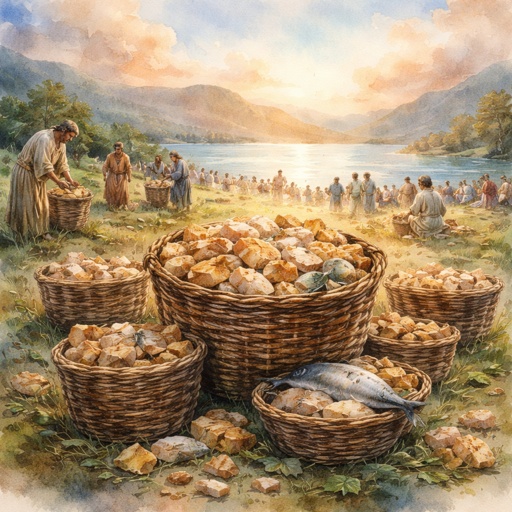
John 6:12

John 6:40

John 21:6

John 14:6

John 21:6

John 6:16

John 6:37

John 21:6

John 6:40

John 21:6

John 6:8-9

JOHN 6:11-13

John 6:6 - "And this he said to prove him: for he himself knew what he would do."

John 4:6-7

John 6:48 - "I am that bread of life."