The Temple of His Body: A Reflection on John 2:19-21
"Jesus answered them, Destroy this temple, and in three days I will raise it up. Then said the Jews, Forty and six years was this temple in building, and wilt thou rear it up in three days? But he spake of the temple of his body." - John 2:19-21
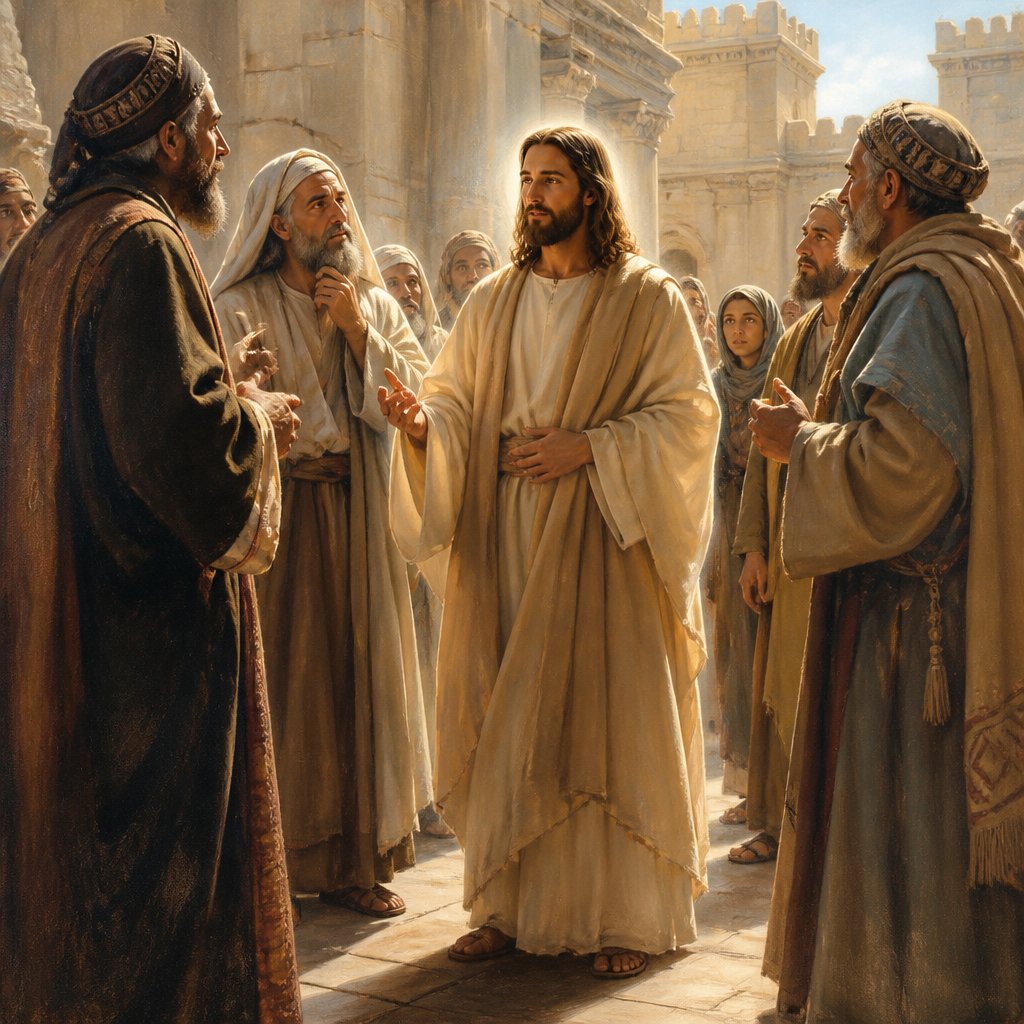
In the Gospel of John, we encounter a powerful moment during the Lord's ministry, particularly in John 2:19-21 (KJV), where Jesus makes a profound statement regarding the temple. He said, "Destroy this temple, and in three days I will raise it up. Then said the Jews, Forty and six years was this temple in building, and wilt thou rear it up in three days? But he spake of the temple of his body." These verses encapsulate a significant layer of Jesus's identity and mission, which warrants deep reflection and understanding.
At a glance, this passage may appear as a mere claim by Jesus during an exchange with the religious leaders of His day, but it holds much deeper theological implications. When Jesus refers to His body as a temple, He is redefining the significance of the temple in Jerusalem, which was central to Jewish worship and identity. The temple was the dwelling place of God among His people, a sacred space where sacrifices were made, and worship was offered. Jesus's statement that He would raise it up in three days suggests not just a physical reality but the fulfillment of a divine plan that would transcend the old covenant.
The Jews, steeped in their traditions and the grandeur of their temple, could not comprehend the fullness of what Jesus was desiring to communicate. To them, dismantling a physical structure that took 46 years to build was an absurdity, an impossibility. Their attention was directed at the physical manifestations of God’s presence rather than the reality of what being in relationship with God would mean through Christ. This dichotomy between the physical and spiritual serves as a poignant reminder of our own tendencies to cling to forms and structures rather than understanding the essence of faith and the transformative power of Christ's resurrection.
In this statement, Jesus invites us to explore the nature of true worship and what it means to be the dwelling place of God. The Old Testament presented the concept of the temple as the meeting point between heaven and earth. In Christ, however, we see that the meeting point has now shifted; He embodies that sacred union. Jesus’s declaration shifts the locus of God's presence from an external structure to the person of Christ Himself. The resurrection becomes the capstone of this understanding, validating His authority and deity as He overcomes death, redefining what it means to believe.
Furthermore, this passage beckons us to consider the implications of Christ’s resurrection on our own lives and worship practices. If Jesus is the ultimate temple, then believers are collectively His body, as echoed in 1 Corinthians 12:27: “Now ye are the body of Christ, and members in particular.” This radical truth challenges each of us as followers of Christ to recognize our identity and purpose within His body. The presence of God is no longer confined to a geographical location or ritualistic practices; rather, it is a living and active presence within us individually and corporately as the church.
The resurrection is not merely a testament to His power over death; it is a call to us to rise from our own spiritual lethargy and to embrace the new life He offers. Jesus’s declaration that the temple of His body would be raised in three days encourages us to reflect on our commitment to live as temples where His Spirit resides.
In contemplation of this scripture, let us meditate on the significance of being the temple of the Holy Spirit. Are we enriching ourselves with the Word and encouraging one another in faith, fostering a community that mirrors Christ's love? Let us carry and reflect the glory of God that once resided in a temple, now shining evermore through our lives transformed by His resurrection power.
Thus, as we dig deeper into this powerful statement made by Jesus, we are urged to embody the message of the Gospel, live out our faith actively, and recognize the sacred calling to be God’s temple in a world yearning for His presence.
Want to reflect more on John 2:19-21?
Continue your spiritual journey with Bible Chat — an AI-powered tool for exploring God's Word through conversation. Ask questions, discover connections, and deepen your understanding.
Get Our Apps


John 2:19-21 Artwork

John 2:19-21 - "Jesus answered them, "Destroy this temple, and I will raise it again in three days." They replied, "It has taken forty-six years to build this temple, and you are going to raise it in three days?" But the temple he had spoken of was his body."
"Jesus answered them, "Destroy this temple, and I will raise it again in three days." They replied, "It has taken forty-six years to build this temple, and you are going to raise it in three days?" But the temple he had spoken of was his body." - John 2:19-21

John 21:15-19

John 2:21 - "But he spake of the temple of his body."

John 19:21 - "Then said the chief priests of the Jews to Pilate, Write not, The King of the Jews; but that he said, I am King of the Jews."

John 2:19 - "Jesus answered and said unto them, Destroy this temple, and in three days I will raise it up."

John 21:19 - "This spake he, signifying by what death he should glorify God. And when he had spoken this, he saith unto him, Follow me."

John 2:1 - "And the third day there was a marriage in Cana of Galilee; and the mother of Jesus was there:"

John 19:2 - "And the soldiers platted a crown of thorns, and put it on his head, and they put on him a purple robe,"

"But he spake of the temple of his body." - John 2:21

1 John 2:21 - "I have not written unto you because ye know not the truth, but because ye know it, and that no lie is of the truth."

Revelation 19:19-21

Revelation 19:19-21

Revelation 19:19-21
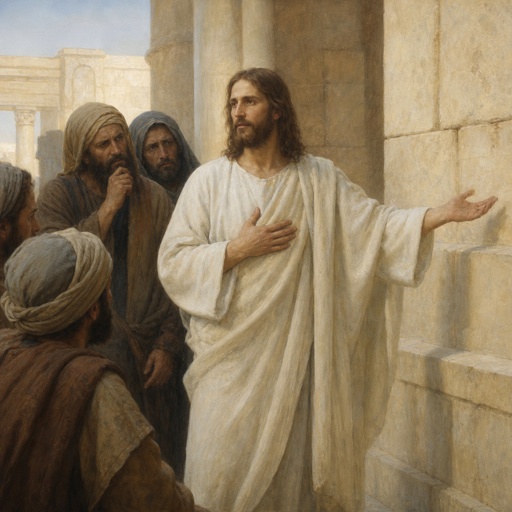
"Jesus answered and said unto them, Destroy this temple, and in three days I will raise it up." - John 2:19

John 21:2 - "There were together Simon Peter, and Thomas called Didymus, and Nathanael of Cana in Galilee, and the sons of Zebedee, and two other of his disciples."

2 Samuel 19:21 - "But Abishai the son of Zeruiah answered and said, Shall not Shimei be put to death for this, because he cursed the LORD'S anointed?"

1 John 2:1 - "My little children, these things write I unto you, that ye sin not. And if any man sin, we have an advocate with the Father, Jesus Christ the righteous:"

Revelation 21:2 - "And I John saw the holy city, new Jerusalem, coming down from God out of heaven, prepared as a bride adorned for her husband."
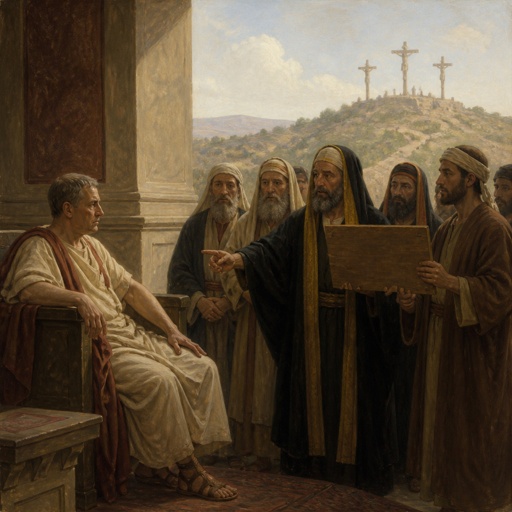
"Then said the chief priests of the Jews to Pilate, Write not, The King of the Jews; but that he said, I am King of the Jews." - John 19:21

"And the third day there was a marriage in Cana of Galilee; and the mother of Jesus was there:" - John 2:1

John 20:21

john 21:9

John 21:6

John 19:38

John 19:1

John 21:21 - "Peter seeing him saith to Jesus, Lord, and what shall this man do?"

1 John 2:19 - "They went out from us, but they were not of us; for if they had been of us, they would no doubt have continued with us: but they went out, that they might be made manifest that they were not all of us."

John 21:6

John 21:17