The Significance of the Wrapped Napkin
"And the napkin, that was about his head, not lying with the linen clothes, but wrapped together in a place by itself." - John 20:7
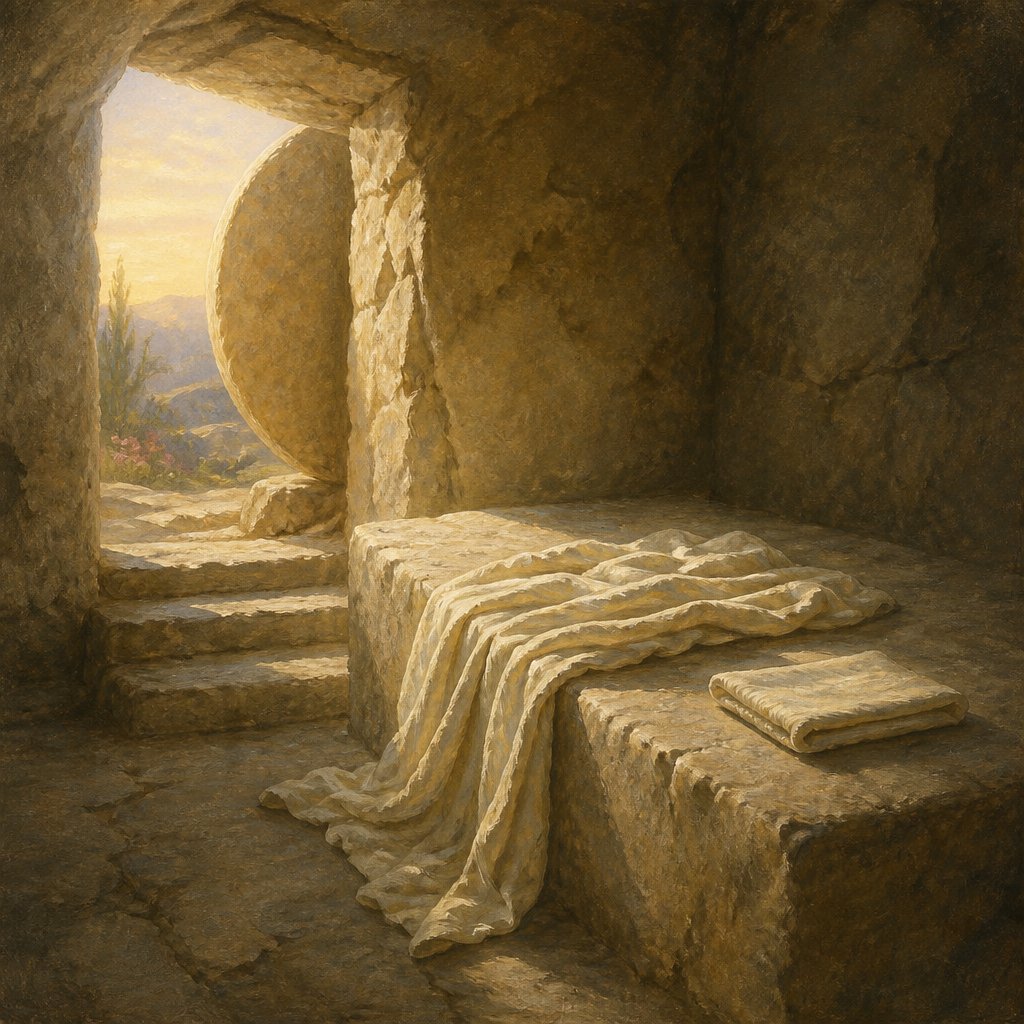
John 20:7 states, “And the napkin, that was about his head, not lying with the linen clothes, but wrapped together in a place by itself.” This particular detail, recorded in the resurrection narrative of our Lord Jesus Christ, invites us to delve deeper into its significance – both theologically and personally.
In the context of this passage, we witness an extraordinary moment. The morning of the resurrection arrives, enveloped in uncertainty and confusion for the disciples. Mary Magdalene comes to the tomb, only to find the stone rolled away and the body of Jesus missing. Confused and grieving, she runs to Peter and John, and they rush to the tomb in disbelief. Upon their arrival, they witness something profound: the grave clothes lying in order, and crucially, the napkin that had been around Jesus’ head is set apart, carefully wrapped and placed in a distinct location.
The imagery of the napkin carries weight. Traditionally, a napkin, or ‘sudarium’ as it might be termed, serves a practical purpose - but it also had cultural significance in that time. When a master finished a meal, he would place his napkin in a specific way. If the napkin was crumpled or thrown down, it signified that he was finished. But if it was neatly folded, it indicated he would return. This cultural practice adds a layer of meaning to the burial cloths in the tomb. The neatly wrapped napkin is not merely a detail of the resurrection scene; it is a powerful message that Jesus is alive, and He promises to return.
Furthermore, the separation of the napkin from the grave clothes holds transformative implications for the disciples. In an instant, their world shifts from mourning and despair to hope and expectation. Jesus, who had been dead, is now alive. This moment signifies the fulfillment of His promises and prophecies – that death has been conquered and hope has been restored. The napkin tells the disciples, "He is not here; He has risen!"
In our own lives, there are moments where we feel that all is lost, much like the disciples felt when they discovered the empty tomb. We often find ourselves in situations steeped in despair, burdened by our struggles, failures, and bereavement. Yet, the image of the napkin can remind us that our stories aren’t over either. The beautifully arranged napkin is a testament to divine order amidst chaos. It signifies that God is a God of details, and each of our lives is intricately woven together by His sovereign hands. Even when we cannot see His plan, we can trust that He is working behind the scenes and using every circumstance for our growth and His glory.
The resurrection nudges us to reflect on how we approach our own spiritual journeys. Are we clinging to the remnants of our past, the old grave clothes that Jesus has stripped away? The message of the napkin encourages us to embrace new beginnings, to unwrap ourselves from the shackles of sin and consequence since Christ has provided the pathway to renewal. He calls us to lay aside the burdens of yesterday, to leave behind our graves of regret, and to rise anew, just as He did.
As we meditate on John 20:7, let us carry away this truth: while He prepared us for His miraculous return, He simultaneously prepares a place for us in His kingdom. The napkin isn’t just a detail; it’s a declaration of eternal hope – a promise that we can hold onto in every season of life.
For you today, may the wrapped napkin symbolize a fresh opportunity, a new beginning, or an invitation to trust in the resurrection power that not only changes our eternal fate but influences our present selves. As we walk in this newfound faith, may we echo the truth of the wrapped napkin in our lives, declaring that Jesus is alive and He is returning for us.
Want to reflect more on John 20:7?
Continue your spiritual journey with Bible Chat — an AI-powered tool for exploring God's Word through conversation. Ask questions, discover connections, and deepen your understanding.
Get Our Apps


John 20:7 Artwork

John 20:7 - "And the napkin, that was about his head, not lying with the linen clothes, but wrapped together in a place by itself."
"And the napkin, that was about his head, not lying with the linen clothes, but wrapped together in a place by itself." - John 20:7
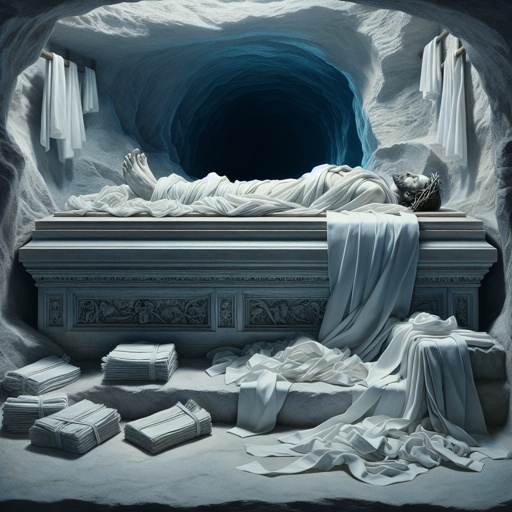
John 20:7 - Show inside the tomb - Nobody should be there - Show the strips of linen and the linen all in white - Show a folded white napkin next to the linen - A spiritual theme with a white and cold tone

John 20:7 - Show inside the tomb - Nobody should be there - Show the strips of linen and the linen all in white - Show only one folded white napkin next to the linen - A spiritual theme with a white and cold tone - No human body

Luke 7:20 - "When the men were come unto him, they said, John Baptist hath sent us unto thee, saying, Art thou he that should come? or look we for another?"
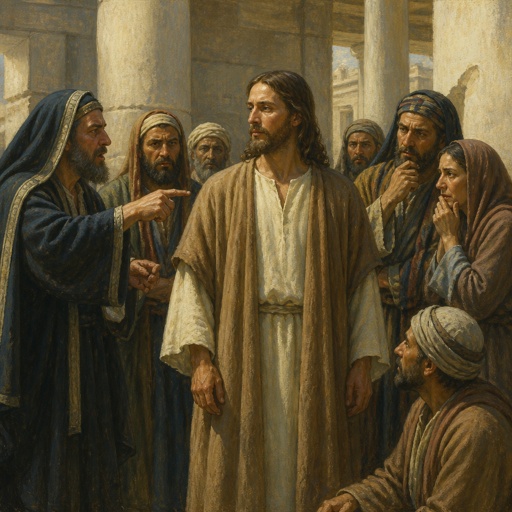
"The people answered and said, Thou hast a devil: who goeth about to kill thee?" - John 7:20

John 20:21

John 20:14

John 20:27

John 20:27

John 20:11-12

John 20:11-13

John 20:30-31

John 7:38

John 15:7

John 7:38

John 15:7

John 7:38

John 7:38
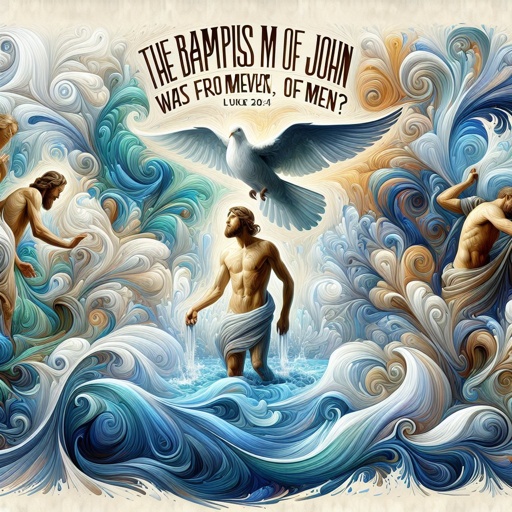
Luke 20:4 - "The baptism of John, was it from heaven, or of men?"

John 7:17-18

John 7:37-39

John 7:17-18

John 7:37-39

John 7:17-18

John 7:17-18

John 6:20 - "But he saith unto them, It is I; be not afraid."

John 7:38

John 1:20 - "And he confessed, and denied not; but confessed, I am not the Christ."

John 7:38