From Grief to Glory: Understanding the Resurrection Message
"Jesus saith unto her, Touch me not; for I am not yet ascended to my Father: but go to my brethren, and say unto them, I ascend unto my Father, and your Father; and to my God, and your God." - John 20:17

In the Gospel of John, chapter 20, verse 17, we find a deeply profound moment that encapsulates the transition from despair to hope, from grief to glory. The verse reads:
"Jesus saith unto her, Touch me not; for I am not yet ascended to my Father: but go to my brethren, and say unto them, I ascend unto my Father, and your Father; and to my God, and your God."
This scene occurs in the garden on the early morning of the resurrection, where Mary Magdalene encounters the risen Christ. Having witnessed the brutal crucifixion of Jesus, Mary arrives at the tomb in sorrow, heartbroken and lost in her grief. In her despair, she believes she has lost everything of significance. Yet, that Sunday morning, something extraordinary occurs—she meets the risen Lord, the embodiment of hope and renewal.
At first, her reaction is one of joy and astonishment. She recognizes Him, perhaps the most powerful moment in her life—a moment where her sadness is transformed into a jubilant proclamation of life conquering death. However, the initial joy is met with a powerful statement from Jesus: "Touch me not; for I am not yet ascended to my Father." This command can seem puzzling and even disheartening. Why did Jesus not allow Mary to touch Him? Was He rejecting her affection?
To grasp the importance of this command, we must delve deeper into the context of what it means for Christ to have yet to ascend.
In Jewish tradition, touch conveyed both intimacy and a physical connection that often depicted acceptance and the commencement of a new relationship. For Mary, touching Jesus would signify the return of what she thought she had lost. However, Jesus's resurrection signifies so much more than just His return to her or the restoration of their previous relationship. It represents a pivotal transition in the covenant between God and humanity. Jesus prioritizes His moment with the Father before any earthly connection or relationship. His ascension would also mean that He is not just returning to the Earth but instead moving to a higher plane of existence where He intercedes for us as our advocate.
Furthermore, Jesus says something incredibly significant: "I ascend unto my Father, and your Father; and to my God, and your God." This revelation moves the narrative from a personal relationship into the communal space of family and belonging. Jesus introduces a new understanding of God—no longer just His Father but also a shared Father and God for all who believe. What a profound gift! This message is for all believers: that through Jesus's death and resurrection, we are brought into a familial relationship with the Creator of the universe. By His sacrifice, we are adopted into God's family, and our identity shifts from outsiders to beloved children.
As we reflect on this passage, let us consider the implications of Jesus’s words for our lives today. How often do we cling to the things of this world? How often do we seek tangible comforts instead of placing our faith in the unseen but ever-present power of our resurrected Lord?
The command to “touch me not” can serve as a reminder that we are called to look beyond the physical presence of Christ and focus on the spiritual relationship we have through the Holy Spirit. It invites us to grow deeper in our faith, relying not just on what we can see, but on the promises of Jesus that assure us of life eternal, a relationship with God our Father.
Let this season of reflection lead us to embrace the hope and joy found in Christ’s resurrection. Let it compel us to share the transformative message of His love and acceptance. Like Mary, we are called to go and tell: to proclaim the good news that our Father has sent His Son, that He has conquered death, and that we, too, can rise anew in Him.
Want to reflect more on John 20:17?
Continue your spiritual journey with Bible Chat — an AI-powered tool for exploring God's Word through conversation. Ask questions, discover connections, and deepen your understanding.
Get Our Apps


John 20:17 Artwork

John 20:17 - "Jesus saith unto her, Touch me not; for I am not yet ascended to my Father: but go to my brethren, and say unto them, I ascend unto my Father, and your Father; and to my God, and your God."

"Jesus saith unto her, Touch me not; for I am not yet ascended to my Father: but go to my brethren, and say unto them, I ascend unto my Father, and your Father; and to my God, and your God." - John 20:17

John 17:20 - "Neither pray I for these alone, but for them also which shall believe on me through their word;"
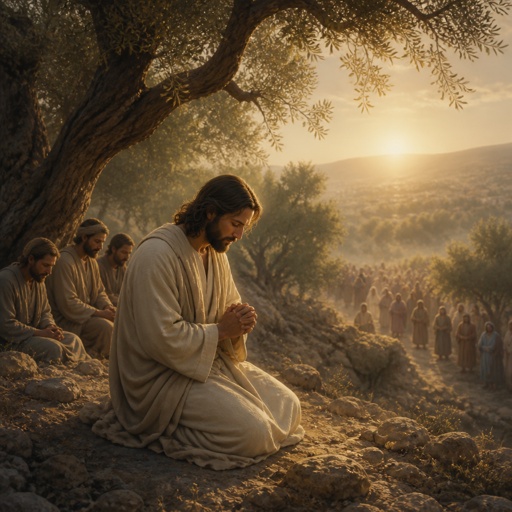
"Neither pray I for these alone, but for them also which shall believe on me through their word;" - John 17:20

John 7:17-18

John 7:17-18

John 7:17-18

John 7:17-18

John 20:21

John 17:17 - "Sanctify them through thy truth: thy word is truth."

John 20:14

John 20:27

John 20:27

John 1:17

John 21:17

John 1:17

John 1:17

Genesis 20-17

Matthew 17:20

John 20:11-12

John 20:11-13

John 20:30-31

Matthew 17:20

Genesis 17-20

John 14:16-17

Luke 20:4 - "The baptism of John, was it from heaven, or of men?"

John 17:16 - "They are not of the world, even as I am not of the world."

John 6:20 - "But he saith unto them, It is I; be not afraid."

John 1:20 - "And he confessed, and denied not; but confessed, I am not the Christ."

John 20:10 - "Then the disciples went away again unto their own home."