The Humble Act of Service: Lessons from the Washbasin
"After that he poureth water into a bason, and began to wash the disciples' feet, and to wipe them with the towel wherewith he was girded." - John 13:5
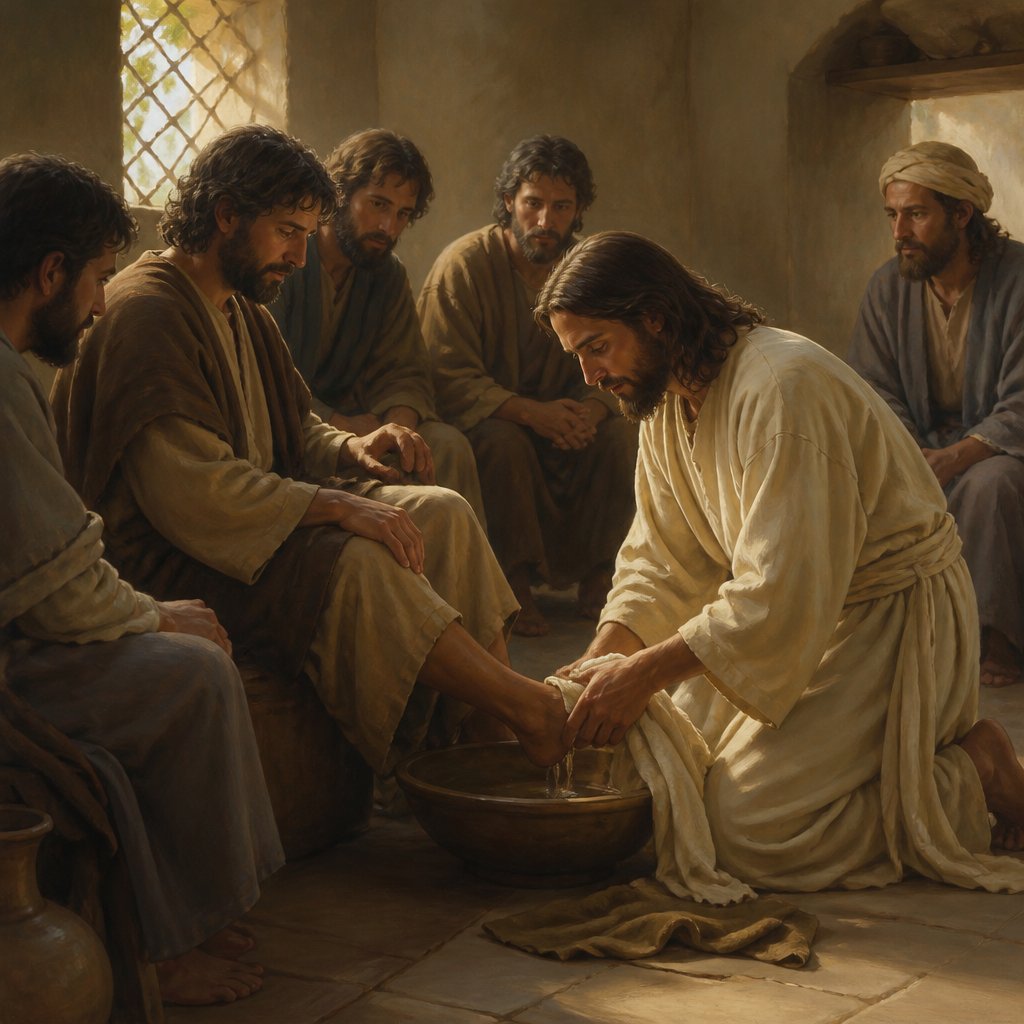
In John 13:5 (KJV), we read, "After that he poureth water into a bason, and began to wash the disciples' feet, and to wipe them with the towel wherewith he was girded." This profound moment occurs during the Last Supper, shortly before Jesus’ crucifixion. It is one of the most remarkable acts of humility and service recorded in scripture, and it invites us to reflect deeply on the nature of true leadership and discipleship.
During Jesus' time, foot washing was a common practice in the ancient Near East. It was typically performed by a servant, as people wore sandals and traveled on dusty roads. When Jesus, the Teacher and Lord, takes on this role reserved for the lowliest servant, he turns the social norms of the day on their heads. His actions speak volumes about his character and mission.
To understand the significance of this event, we must consider the context. The disciples, gathered for a final meal with their Master, had been debating who among them was the greatest (Luke 22:24). In this moment of contention, Jesus chooses to demonstrate what it means to lead through service rather than authority. By washing their feet, he provides a vivid illustration of his teaching that “the greatest among you shall be your servant” (Matthew 23:11).
Jesus’ humble action sets the foundation for what he is about to command: "If I then, your Lord and Master, have washed your feet; ye also ought to wash one another's feet" (John 13:14). This directive is challenging. It prompts us to consider our own attitudes toward service in our communities, workplaces, and churches. Do we embrace opportunities to serve, or do we shy away from menial tasks because we believe they are below us? Do we find joy in serving others, reflecting Christ’s love, or do we focus on our own comfort and status?
The imagery of the washbasin is powerful. Jesus pours out water—a symbol of cleansing and renewal. In washing the disciples’ feet, he cleanses not only their physical dirt but also their spiritual pride. His actions remind us that true cleansing comes through humility and love. As we go about our daily lives, we must ask ourselves: Who are the ‘feet’ that God is calling us to wash? How can we extend grace and love to those around us, particularly those who may not yet know Christ?
In our pursuit of faith, we often think of service as a burden or an obligation. Yet Jesus reframes service as an act of love. In that moment of washing feet, he shows us that love is active; it requires action, commitment, and sacrifice. Moreover, it conveys that our worth is not determined by our titles or positions but by our ability to love and serve others.
As we consider the towel with which Jesus wiped the disciples' feet, we recognize that it represents the humility with which we should approach our service. To be girded with a towel is to prepare ourselves for action, to be ready to engage in acts of kindness and service. It’s about positioning ourselves so that we can reflect Christ's love in tangible ways.
Let this scene from the upper room inspire us to develop a heart of service. It is through humble service that we can reach others with the love of Christ. When we step down from our pedestals and engage with those around us, we not only honor God but also demonstrate the essence of his kingdom—a kingdom where the last shall be first and the servant shall be great.
As we think about our commitments this week, may we ponder how Jesus’ example of foot washing can influence our actions. Who can we serve? What opportunities do we have to reflect Christ’s love through our humility? Let the image of Christ washing his disciples’ feet spur us on to lives marked by sacrificial and joyful service.
Want to reflect more on John 13:5?
Continue your spiritual journey with Bible Chat — an AI-powered tool for exploring God's Word through conversation. Ask questions, discover connections, and deepen your understanding.
Get Our Apps


John 13:5 Artwork

John 13:5 - "After that he poureth water into a bason, and began to wash the disciples' feet, and to wipe them with the towel wherewith he was girded."
"After that he poureth water into a bason, and began to wash the disciples' feet, and to wipe them with the towel wherewith he was girded." - John 13:5

John 5:13 - "And he that was healed wist not who it was: for Jesus had conveyed himself away, a multitude being in that place."

Acts 13:5 - "And when they were at Salamis, they preached the word of God in the synagogues of the Jews: and they had also John to their minister."

1 John 5:13 - "These things have I written unto you that believe on the name of the Son of God; that ye may know that ye have eternal life, and that ye may believe on the name of the Son of God."
"And when they were at Salamis, they preached the word of God in the synagogues of the Jews: and they had also John to their minister." - Acts 13:5
"And he that was healed wist not who it was: for Jesus had conveyed himself away, a multitude being in that place." - John 5:13

John 13

John 13:4-5 - "He got up from the meal, took off his outer clothing, and wrapped a towel around his waist. After that, he poured water into a basin and began to wash his disciples’ feet, drying them with the towel that was wrapped around him."

John 13:13 - "Ye call me Master and Lord: and ye say well; for so I am."

John 15:5

John 5:2

John 15:5

John 13:4-9

JOHN 6:11-13

John 20:11-13

John 5:33 - "Ye sent unto John, and he bare witness unto the truth."

John 5:5 - "And a certain man was there, which had an infirmity thirty and eight years."

John 5:28

John 5:28

John 5:28

1 John 5:5 - "Who is he that overcometh the world, but he that believeth that Jesus is the Son of God?"

1 John 4:13

John 13:31-35

John 3:5-8

John 1:1-5

John 1:1-5

John 3:5-8

John 9:13 - "¶ They brought to the Pharisees him that aforetime was blind."

1 John 5:18