The Cleanliness of the Heart: Understanding Betrayal through Christ's Eyes
"For he knew who should betray him; therefore said he, Ye are not all clean." - John 13:11
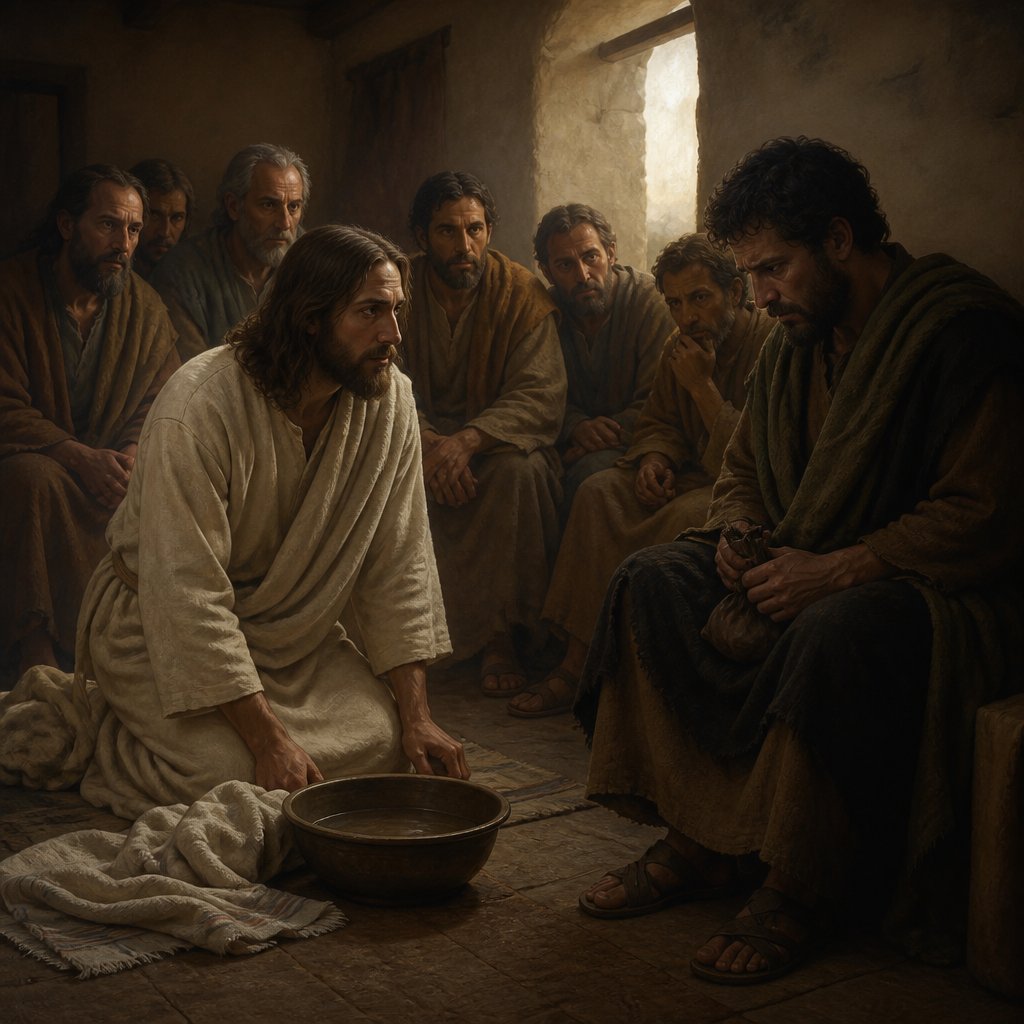
In John 13:11, we encounter a moment of intimacy and revelation on the eve of the darkest day in human history—the betrayal of Jesus Christ by one of His closest followers, Judas Iscariot. The verse reads: "For he knew who should betray him; therefore said he, Ye are not all clean." In this succinct statement, we unearth profound truths about betrayal, purity, and the omniscience of Christ.
At first glance, this verse may seem like a poignant footnote in the narrative of the Last Supper. Yet, when we truly pause to reflect, we find that it reveals the emotional and spiritual complexities of Jesus as He engaged with His disciples. Imagine the atmosphere of that evening; a room filled with tension, yet also with the warmth of fellowship, as Jesus shared His final moments with those He loved. Yet, amidst the camaraderie and the breaking of bread, our Savior was acutely aware of the shadows that stalked His heart.
The phrase "he knew who should betray him" is a staggering reminder of Christ’s omniscience—His ability to see not just the outer actions, but the inner workings of the human heart. In the very presence of betrayal, He chose to share a meal and wash the feet of those who would stand by Him and those who would turn against Him. It speaks to a love that is both tender and piercing. Jesus didn’t shy away from the reality of betrayal; He faced it head-on with a knowing heart.
When Jesus says, "Ye are not all clean," He is not merely referring to physical cleanliness but rather to spiritual purity. This statement invites us to reflect deeply on the condition of our hearts. Judas was present at the table, yet his heart was far from a place of holiness. This introduces a sobering question: How often do we participate in the rituals of faith while concealing the betrayal of our own heart’s true affections?
We must also ask ourselves if we carry the weight of betrayal in our own lives. Have we betrayed a friend, turned our backs on our commitments, or even betrayed our Lord by straying from His path? In time of prayerful reflection, it may be beneficial to confront these uncomfortable truths. Instead of hiding from them, we should lay them before Jesus, the one who understands our struggles and, despite our shortcomings, offers unfailing grace.
The narrative of betrayal does not only impose a burden but also illuminates the liberating power of forgiveness and redemption. Whenever we reflect on the actions of Judas, we are reminded that even those who were closest to Jesus faltered. Jesus’ knowledge of Judas’s betrayal did not lead Him to condemn him outright; rather, it positioned Him to fulfill the greater plan of redemption. Just as Jesus knew every inch of Judas’ heart, He knows ours too; the fears, the insecurities, the temptations, and yes, even the betrayals.
In verse 11, Jesus’ acknowledgment of the dirtiness of their hearts provides an invitation for reflection. It’s an opportunity for self-examination. In moments of betrayal, particularly our own, the natural inclination is to withdraw, to hide, or to put on a mask. Yet, Jesus beckons us into the light—to bring our dirty feet to Him for washing.
In light of His foreknowledge, He still chooses relationship over isolation. At the very table where betrayal was to occur, He instituted communion—a powerful symbol of unity and love. Here, we grasp that the response to betrayal isn’t retribution but reconciliation. Each time we partake in communion, we embrace His cleansing grace while remembering the pain of betrayal.
As we move through our day, let us carry the weight of this truth: there may always be shadows of betrayal lurking, but through Christ, we have the light that guides us back to purity. Let His knowledge of our shortcomings not entice shame but rather inspire us to seek every opportunity to remain clean through Him.
Want to reflect more on John 13:11?
Continue your spiritual journey with Bible Chat — an AI-powered tool for exploring God's Word through conversation. Ask questions, discover connections, and deepen your understanding.
Get Our Apps


John 13:11 Artwork

John 13:11 - "For he knew who should betray him; therefore said he, Ye are not all clean."
"For he knew who should betray him; therefore said he, Ye are not all clean." - John 13:11

JOHN 6:11-13

John 20:11-13

Matthew 11:13 - "For all the prophets and the law prophesied until John."

John 11:13 - "Howbeit Jesus spake of his death: but they thought that he had spoken of taking of rest in sleep."

"For all the prophets and the law prophesied until John." - Matthew 11:13
Psalm 1:1-3

Pain 1:1-3
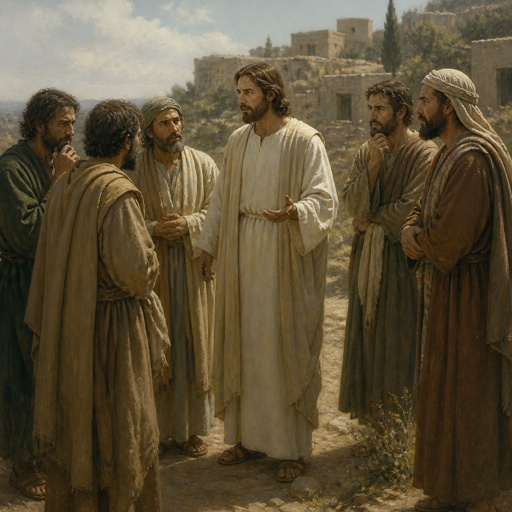
"Howbeit Jesus spake of his death: but they thought that he had spoken of taking of rest in sleep." - John 11:13

John 13

John (11:35) Jesus wept.

John (11:35) Jesus wept.

John (11:35) Jesus wept.

John 11:35

John 15.1-11

John 11:35

John (11:35) Jesus wept.

John (11:35) Jesus wept.

John (11:35) Jesus wept.

John 13:13 - "Ye call me Master and Lord: and ye say well; for so I am."

John 13:4-9

John (11:35) Jesus wept.

John 11:35 - "Jesus wept."

John (11:35) Jesus wept.

John (11:35) Jesus wept.

John (11:35) Jesus wept.

John (11:35) Jesus wept.

John (11:35) Jesus wept.

John (11:35) Jesus wept.