The Shadow of the Cross: Understanding Christ's Sacrifice
"This he said, signifying what death he should die." - John 12:33
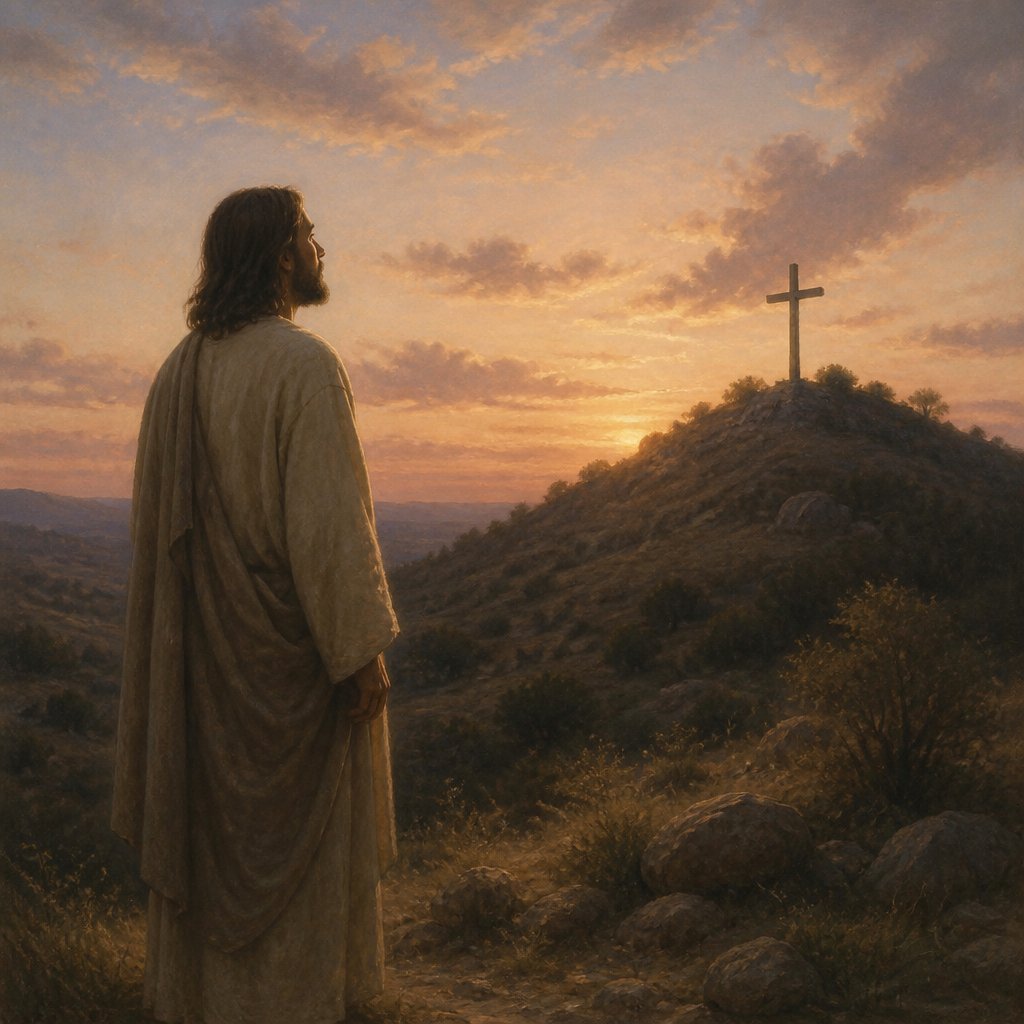
As we delve into the profound depths of John 12:33, where it is written, "This he said, signifying what death he should die," we are invited into a sacred contemplation of the nature of Christ’s mission and the ultimate expression of His love for humanity. This verse, nestled in a passage characterized by crowd responses, soaring expectations, and prophetic fulfillments, points us to the heart of the Gospel— the crucifixion and its overwhelming significance.
In the context of John 12, Jesus has entered Jerusalem triumphantly, fulfilling the prophecy of Zechariah, riding on a donkey. The crowds hail Him as their King, waving palm branches, proclaiming His name. Yet, beneath this jubilant reception lies a tension, a looming shadow that none fully comprehend at that moment. As much as the people longed for a political savior, Jesus aims for something far grander: the redemption of humanity through His impending death.
When Jesus speaks of His death, He does so not merely as a foretelling of events to come but as the apex of His mission. His crucifixion is a necessary step towards the fulfillment of God's divine plan. He willingly chooses this path of suffering and sacrifice, a truth that transforms our understanding of salvation. Herein lies a profound mystery: through His death, He would conquer sin and death, offering eternal life to all who believe.
To fully grasp the gravity of what this death signifies, we must reflect on the culture into which Jesus spoke. The Jews of the first century were thoroughly acquainted with the concept of sacrifice. The blood of lambs and goats filled the temple, mediating between a holy God and a sinful people in a system teeming with rituals. However, these sacrifices were but a mere foreshadowing of the ultimate sacrifice that Christ was about to make—one that would be sufficient for all time. The imagery is potent; He would be the Lamb of God who takes away the sin of the world (John 1:29).
In understanding what death Jesus should die, we also confront our own reality. Sin is the reason for the cross; our rebellion against God necessitated a payment, and the only fitting sacrifice was His own Son. This can lead us to a heart of gratitude as we realize that the love of Christ is not a mere sentiment but an active choice that cost Him everything.
It is essential to meditate on who this Jesus is—the King of Kings, who humbles Himself to die a criminal's death. In His suffering, we see the depths of His love, a love unbounded by our shortcomings and failures. As we reflect on this sacrifice, we are invited to come close, to lay our burdens at His feet, to acknowledge that He died for us, a truth that should stir our hearts to worship and adoration.
Moreover, Jesus’s words also challenge us to live in response to this incredible gift. The call to discipleship is not a call to glory but a call to partake in the sufferings of Christ (Philippians 3:10). We, too, are invited to take up our crosses, to deny ourselves in the pursuit of a life wholly devoted to Him. The shadow of the cross looms over us, serving as a reminder that there is no resurrection without the sacrifice that precedes it—an invitation to die to our own desires, ambitions, and sins.
As we meditate on John 12:33 throughout this day, let it awaken our souls to the profound nature of Christ’s sacrifice. May we be willing to embrace the fullness of His love—understanding what it cost Him and how it calls us into a transformative relationship with Him. Let us position ourselves beneath the cross, accepting His love, allowing it to change us from the inside out. Rise up in the grace of His death, and walk forward in the newness of life He offers. Truly, He died that we might live.
Want to reflect more on John 12:33?
Continue your spiritual journey with Bible Chat — an AI-powered tool for exploring God's Word through conversation. Ask questions, discover connections, and deepen your understanding.
Get Our Apps


John 12:33 Artwork

John 12:33 - "This he said, signifying what death he should die."
"This he said, signifying what death he should die." - John 12:33

John 12:32-33 - "And I, when I am lifted up from the earth, will draw all people to myself. He said this to show the kind of death he was going to die."

John 16:33

John 16:33
John 16:33

John 16:33
John 16:33

John 16:33

John 16 : 33

John 1:33

John 5:33 - "Ye sent unto John, and he bare witness unto the truth."

Exodus 12:33

John 9:33 - "If this man were not of God, he could do nothing."

Nehemiah 12:33 - "And Azariah, Ezra, and Meshullam,"

John 19:33 - "But when they came to Jesus, and saw that he was dead already, they brake not his legs:"

"Ye sent unto John, and he bare witness unto the truth." - John 5:33

John 3:33 - "He that hath received his testimony hath set to his seal that God is true."

Mark 14:33 - "And he taketh with him Peter and James and John, and began to be sore amazed, and to be very heavy;"

John 4:33 - "Therefore said the disciples one to another, Hath any man brought him ought to eat?"

John 6:33 - "For the bread of God is he which cometh down from heaven, and giveth life unto the world."

Numbers 33:12 - "And they took their journey out of the wilderness of Sin, and encamped in Dophkah."

"And Azariah, Ezra, and Meshullam," - Nehemiah 12:33

John 18:33 - "Then Pilate entered into the judgment hall again, and called Jesus, and said unto him, Art thou the King of the Jews?"

Luke 7:33 - "For John the Baptist came neither eating bread nor drinking wine; and ye say, He hath a devil."

Isaiah 33:12 - "And the people shall be as the burnings of lime: as thorns cut up shall they be burned in the fire."
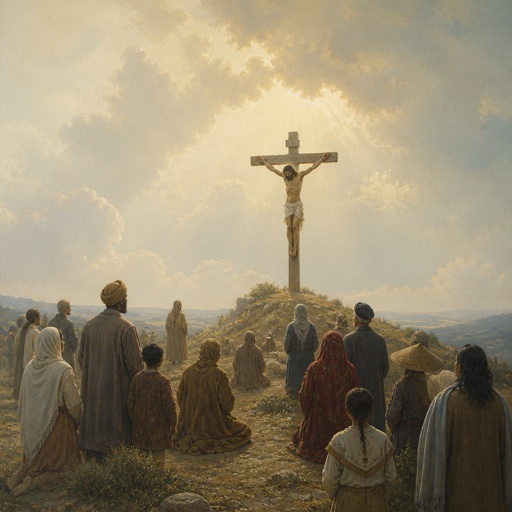
"And I, when I am lifted up from the earth, will draw all people to myself. He said this to show the kind of death he was going to die." - John 12:32-33
John 6:12

John 8:12
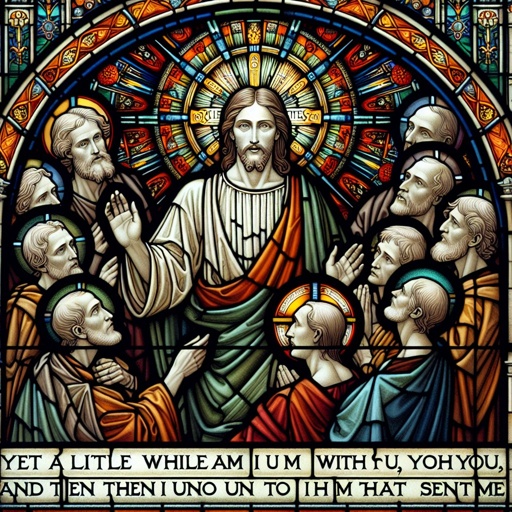
John 7:33 - "Then said Jesus unto them, Yet a little while am I with you, and then I go unto him that sent me."