The Ripple Effect of Faithful Witnesses
"Philip cometh and telleth Andrew: and again Andrew and Philip tell Jesus." - John 12:22
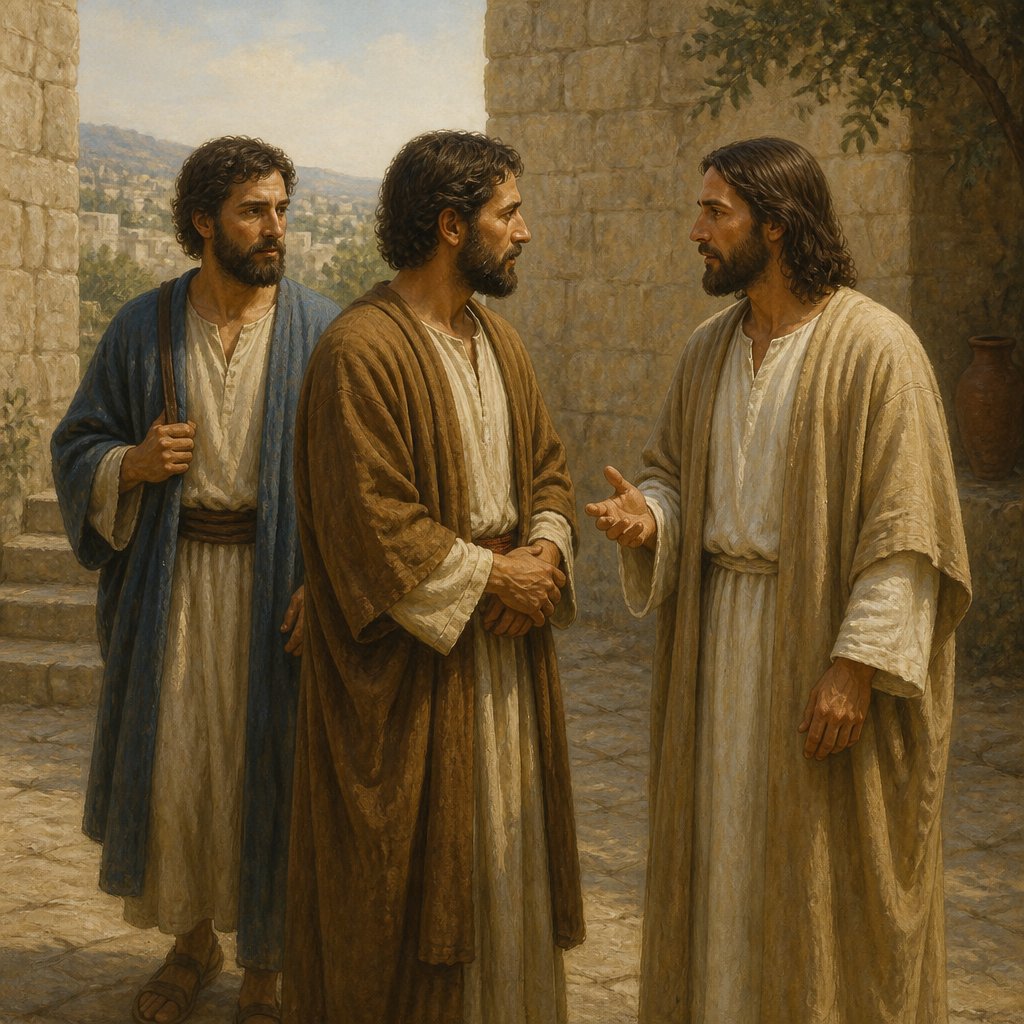
In John 12:22, we read, "Philip cometh and telleth Andrew: and again Andrew and Philip tell Jesus." At first glance, this might seem like a simple exchange between two disciples. However, when we delve deeper, we uncover a profound lesson about the power of relationships within the body of Christ and the importance of sharing our experiences of Jesus with others.
The context of this passage occurs in the closing days of Jesus’ earthly ministry. As the time of His crucifixion draws near, there is a palpable urgency in the air. People are beginning to recognize Jesus for who He truly is—the Messiah, the Son of God. Greek seekers approach Philip asking to see Jesus (John 12:21), likely in search of hope, healing, and truth. This moment symbolizes a pivotal point in the ministry of Jesus where the Good News is not restricted to the Jews alone, but is extending to the Gentiles as well.
Philip, at this moment, represents the responsiveness that is so crucial in our faith journey. His immediate decision to go and talk to Andrew about the Greeks seeking Jesus speaks volumes about his character. Philip does not hoard the knowledge of Jesus but instead seeks partnership with Andrew. This act of sharing is fundamental to the Christian faith—spreading the Good News should never be a solitary endeavor.
Andrew, on the other hand, is an embodiment of humility and collaboration. He is the one who had previously introduced Peter to Jesus (John 1:41), showing his desire to bring others to Christ. Notably, Andrew's name means "manly" or "brave", yet he often worked behind the scenes, facilitating relationships rather than being in the spotlight. It teaches us that the greatest impact can come from those who are willing to take a step back, support others, and champion Jesus in their circles.
Their combined efforts to reach Jesus speak to the power of community in faith. Each disciple plays a unique role, and their actions reflect a deep understanding of collaboration as they navigate their mission. We are reminded that every believer has a responsibility to share their encounters with Jesus among friends, family, and fellow believers. Philip and Andrew's dialogue showcases the accountability we have to one another in our faith journey.
Furthermore, their actions reinforce that Jesus is accessible to all—He is not limited by cultural or societal boundaries. The Greeks who sought Him were not just asking for a mere visitation; they were expressing a desire for spiritual enlightenment and belonging. This serves as a reminder that as we share our testimonies and experiences of Jesus with others, we are not merely introducing them to a religion, but to a relationship that transcends social and racial divides.
Moreover, the exchange between Philip and Andrew leads to a significant moment where they collectively approach Jesus with the request of the Greeks. This illustrates a beautiful picture of intercession. When we bring the needs of others to Jesus—our friends, our family, even strangers—we are practicing the love of Christ in a profound way. It exemplifies how our faith can act as a bridge for others seeking Him. Their willingness to collaborate illustrates how the body of Christ is designed to function in unity and purpose, bringing requests together to the one who meets those needs.
As we reflect on this powerful interaction of Philip and Andrew finding Jesus amidst the pressures of ministry, let us also seek to emulate their example in our lives. Who are the Andrews or Philips in your life? Who do you need to share the news of Jesus with? Perhaps it is time to reach out, like Philip did, to someone in your community who is longing to know Him. Together, let's be faithful witnesses, knocking on the doors of opportunity that God presents, ready to bring others to Him.
In conclusion, John 12:22 teaches us about the importance of community, the privilege of interceding for others, and the simplicity of sharing Jesus with those whom we encounter. Let us carry the message of hope, love, and grace to the world, following the example set by these early disciples.
Want to reflect more on John 12:22?
Continue your spiritual journey with Bible Chat — an AI-powered tool for exploring God's Word through conversation. Ask questions, discover connections, and deepen your understanding.
Get Our Apps


John 12:22 Artwork

John 12:22 - "Philip cometh and telleth Andrew: and again Andrew and Philip tell Jesus."
"Philip cometh and telleth Andrew: and again Andrew and Philip tell Jesus." - John 12:22

John 10:22 - "¶ And it was at Jerusalem the feast of the dedication, and it was winter."

1 Corinthians 12:12-22
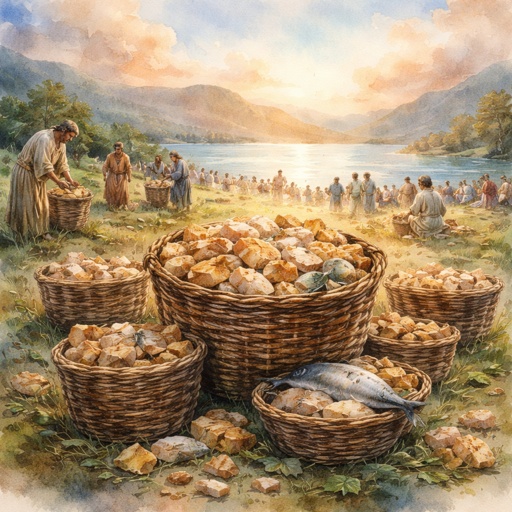
John 6:12

John 8:12

John 12:25

John 8:12

John 8:12

John 12:3

John 8:12

Genesis 22-12

John 20:11-12

John 13:22 - "Then the disciples looked one on another, doubting of whom he spake."

John 12:12 - "¶ On the next day much people that were come to the feast, when they heard that Jesus was coming to Jerusalem,"

John 5:22 - "For the Father judgeth no man, but hath committed all judgment unto the Son:"

John 19:22 - "Pilate answered, What I have written I have written."

Genesis 22:11-12

Genesis 22:11-12

Genesis 22:11-12.

"¶ And it was at Jerusalem the feast of the dedication, and it was winter." - John 10:22

Acts 12:2 - "And he killed James the brother of John with the sword."

John 12:39 - "Therefore they could not believe, because that Esaias said again,"

John 12:43 - "For they loved the praise of men more than the praise of God."

Luke 22:8 - "And he sent Peter and John, saying, Go and prepare us the passover, that we may eat."

John 4:22 - "Ye worship ye know not what: we know what we worship: for salvation is of the Jews."

John 3:22 - "¶ After these things came Jesus and his disciples into the land of Judaea; and there he tarried with them, and baptized."

John 12:45 - "And he that seeth me seeth him that sent me."

John 18:12 - "Then the band and the captain and officers of the Jews took Jesus, and bound him,"

John 12:33 - "This he said, signifying what death he should die."