A Humble King: Reflections on Jesus' Entry into Jerusalem
"And Jesus, when he had found a young ass, sat thereon; as it is written," - John 12:14
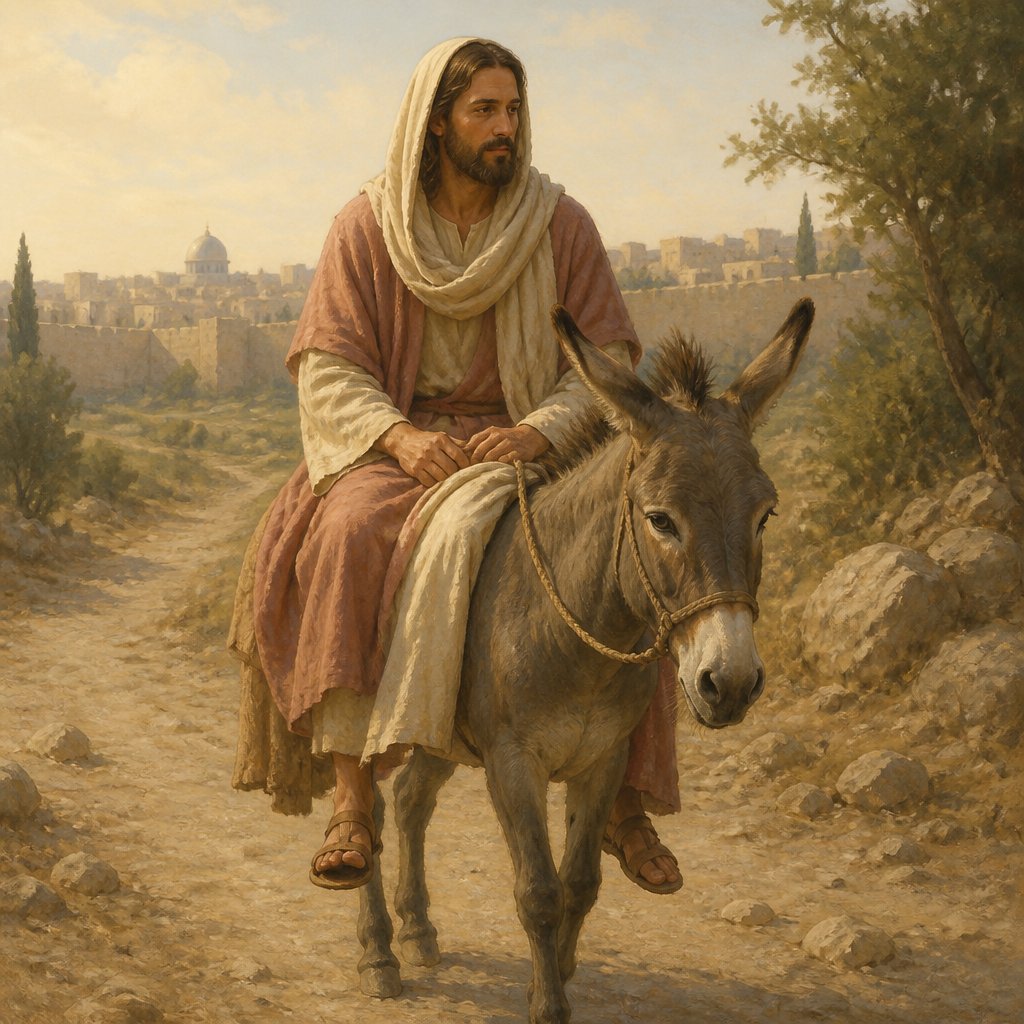
The verse we reflect upon today comes from John 12:14: "And Jesus, when he had found a young ass, sat thereon; as it is written." This simple statement encapsulates a profound moment in the Gospel narrative, an event that not only fulfills ancient prophecy but also unveils the nature of Christ's kingship and the Kingdom He came to establish.
The context of this verse speaks volumes. Jesus, approaching Jerusalem, the epicenter of Jewish faith and identity, is aware of the weight of his imminent arrival. This wasn’t merely a procession; it was a declaration of His kingship, yet the manner in which He chose to enter the city speaks of His character and mission. Instead of ascending on a majestic steed, Jesus rides a young donkey, an animal symbolizing peace rather than war. This image of humility confronts us with a new vision of leadership, one that diverts from the expected displays of power and dominance.
In Zechariah 9:9, we find a prophecy that resonates with this scene: "Rejoice greatly, O daughter of Zion; shout, O daughter of Jerusalem: behold, thy King cometh unto thee: He is just, and having salvation; lowly, and riding upon an ass, and upon a colt the foal of an ass." These words echo through the ages, offering a promise of a coming Saviour, yet the fulfillment carries a twist. The humility of the donkey symbolizes the very essence of Jesus’ mission — He came to serve and to save, not to conquer through force but through love.
As we meditate on this verse, we can’t help but interrogate our own expectations of a leader or a savior. Often, we yearn for figures who display might and control, who conquer through strength and prestige. Yet here stands Jesus, the very Son of God, embracing humility as His hallmark. How often do we overlook the strength found in gentleness and the power embodied in meekness? Jesus invites us to reconsider our definitions of success and authority.
This image of Christ sitting on a young ass serves as a reminder that God’s ways are not our ways (Isaiah 55:8-9). He often operates in ways that defy human understanding. In a society that prizes grandiosity, the quiet strength of Jesus wants to lead us to a deeper understanding of the Kingdom He brings — a kingdom where the last shall be first and the meek shall inherit the earth (Matthew 5:5).
Furthermore, this entry into Jerusalem stirs the hearts of the people. As He enters, they spread their garments and palm branches, akin to royal recognition. Their praises resonate with hope, proclaiming, "Hosanna: Blessed is the King of Israel that cometh in the name of the Lord!" (John 12:13). However, we must also recognize that this jubilant welcome was transient. Just days later, the cry of the same crowd would shift to demands for His crucifixion. This oscillation from adoration to rejection reveals the fickleness of human allegiance. Are we not often like the crowd, showering Him with praise one moment and questioning His goodness the next?
In pondering this passage, we are drawn to reflect on our relationship with Jesus. How do we welcome Him into our lives? Are we open to the humble servant King, or do we seek a ruler who aligns with our ambitions and desires? The Gospel calls us to embrace a faith that trusts in His humble authority, realizing that true power, the power of love, is rooted in self-sacrifice.
As we meditate on John 12:14, let us consider ways to imitate Christ’s humility. In a world thirsty for recognition and applause, may we learn to serve quietly, reflecting the heart of our King who rode into Jerusalem on a young donkey. May our lives be a testimony to His humble kingship, always pointing others to the hope and salvation found in Him.
Want to reflect more on John 12:14?
Continue your spiritual journey with Bible Chat — an AI-powered tool for exploring God's Word through conversation. Ask questions, discover connections, and deepen your understanding.
Get Our Apps


John 12:14 Artwork

John 12:14 - "And Jesus, when he had found a young ass, sat thereon; as it is written,"
"And Jesus, when he had found a young ass, sat thereon; as it is written," - John 12:14
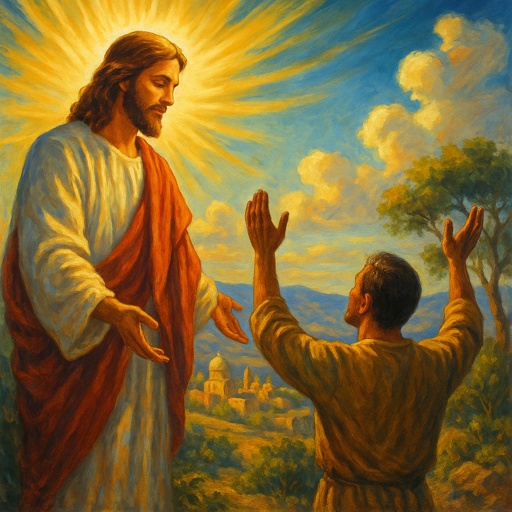
"Verily, verily, I say unto you, He that believeth on me, the works that I do shall he do also; and greater works than these shall he do; because I go unto my Father." - John 14:12

John 14:12 - "Verily, verily, I say unto you, He that believeth on me, the works that I do shall he do also; and greater works than these shall he do; because I go unto my Father."

John 14

John 14:30

John 3:14

John 14:16

John 14:6

John 14:28

John 20:14

John 14:14 - "If ye shall ask any thing in my name, I will do it."
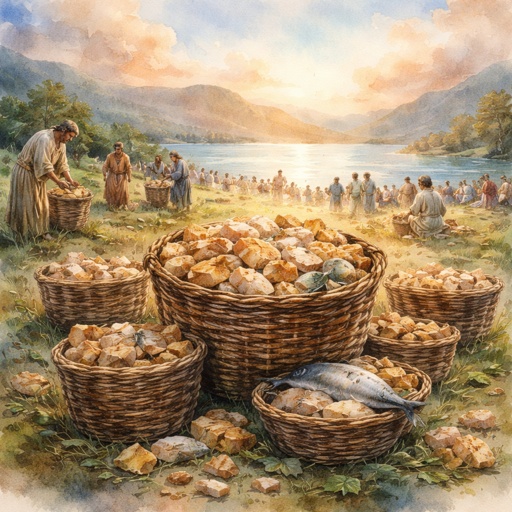
John 6:12

John 8:12

John 18:12-14 - "So the band of soldiers, the tribune, and the Jewish police arrested Jesus and bound him. They brought him to Annas first, for he was the father-in-law of Caiaphas, who was high priest that year. Caiaphas was the one who had advised the Jews that it was better to have one person die for the people."

John 12:25

John 8:12

John 8:12
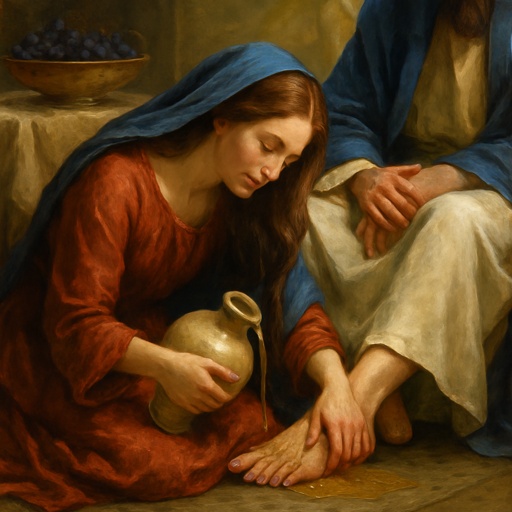
John 12:3

John 8:12

John 14:15-21

John 14:23-29
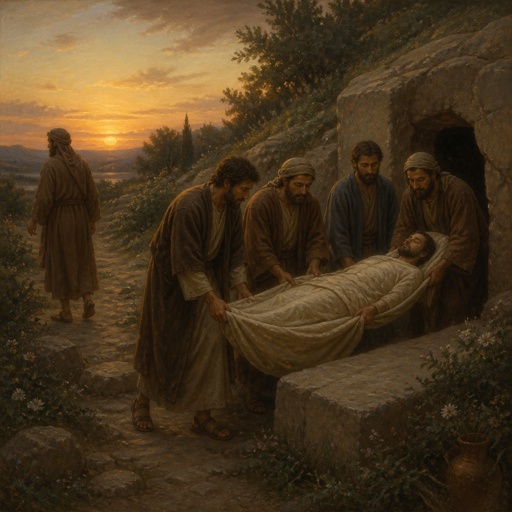
"And his disciples came, and took up the body, and buried it, and went and told Jesus." - Matthew 14:12

John 14:23-29

1 John 2:14

John 14:23-29

1 John 2:14

John 14:1-2
John 14:16-17

John 20:11-12