The Sickness of Lazarus: A Divine Purpose in Our Pain
"Now a certain man was sick, named Lazarus, of Bethany, the town of Mary and her sister Martha." - John 11:1
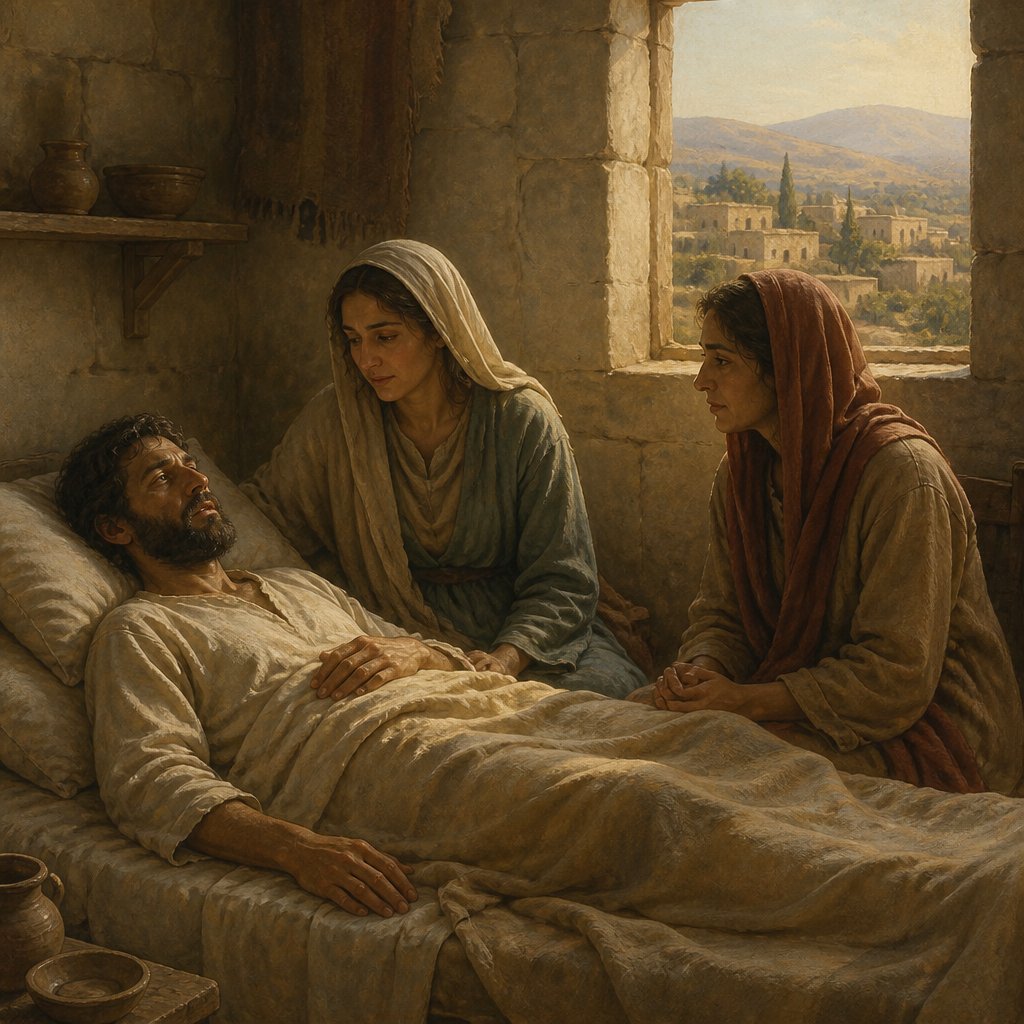
In John 11:1, we are introduced to a man named Lazarus: "Now a certain man was sick, named Lazarus, of Bethany, the town of Mary and her sister Martha." This seemingly simple introduction opens the door to one of the most profound stories of faith, grief, and divine intervention in the Scriptures. As we reflect on this verse, we come face to face with the realities of human suffering and the depths of God's sovereignty.
Lazarus, whose name means "God has helped," becomes a symbol of hope and despair, not just for his two sisters, Mary and Martha, but for all believers throughout history. The context of John's narrative reveals that Lazarus is not just any man; he is a beloved brother, a friend of Jesus, and a resident of Bethany—a place that serves as a backdrop for many of Jesus' teachings and miracles. The sickness of Lazarus is not incidental; it is a part of God's grand narrative.
When we think about sickness, we often react with fear and anxiety. The very mention of illness triggers feelings of helplessness, sorrow, and even anger. Surely Martha and Mary experienced these emotions as they watched their brother suffer, raising the question: Why would Jesus allow this? In their minds, they had seen Jesus perform countless miracles, healing the sick and restoring lives, so certainly, He could have intervened at any moment to prevent their brother's sickness.
However, as the story unfolds, we realize that Lazarus’ sickness serves a greater purpose. In John 11:4, Jesus clarifies His intention: "This sickness is not unto death, but for the glory of God, that the Son of God might be glorified thereby." Herein lies a profound truth: our trials, pain, and suffering can be vehicles through which God displays His glory. Sickness is not just an absence of health; it can be a backdrop upon which the glory of God is vividly painted.
The implications of this truth extend to our own lives. When we face difficulties—be it illness, loss, relational strife, or financial hardship—how often do we consider that these challenges might be opportunities for God’s glory to shine through us? In our moments of weakness, it is often His strength that is made perfect. Just as Jesus remained purposeful and unhurried in His response to Mary and Martha, we can trust that God is at work in our pain, even when His plans seem delayed or incomprehensible.
As we meditate on the story of Lazarus, we also see that Jesus is fully present with Mary and Martha in their grief. When He arrives, He does not offer platitudes or dismiss their sorrow. He weeps with them, demonstrating that in our suffering, we are not alone. Jesus, who empathizes with our weaknesses, draws near and shares in our pain. This offers profound comfort, reminding us that God is not distant or indifferent to our struggles.
Ultimately, the story of Lazarus culminates in one of the most astonishing miracles: Jesus calls Lazarus forth from the tomb—and life triumphs over death. This act not only confirms Jesus' authority over life and death but also foreshadows His own resurrection and the hope of eternal life for all who believe in Him.
As we conclude, let us carry the lesson of Lazarus in our hearts: God can use our sickness as a stage for His glory. In our trials, we can find comfort in knowing that Jesus is intimately aware of our struggles, willing to bear our burdens, and capable of bringing forth life from death. So, whether we find ourselves in a season of sickness or health, let us declare with confidence that God is good, His plans are perfect, and our hope rests in His everlasting love.
Want to reflect more on John 11:1?
Continue your spiritual journey with Bible Chat — an AI-powered tool for exploring God's Word through conversation. Ask questions, discover connections, and deepen your understanding.
Get Our Apps


John 11:1 Artwork

John 11:1 - "Now a certain man was sick, named Lazarus, of Bethany, the town of Mary and her sister Martha."
"Now a certain man was sick, named Lazarus, of Bethany, the town of Mary and her sister Martha." - John 11:1

In John 11:1-16, we read the beginning of the story of Lazarus, a close friend of Jesus, who becomes very ill. His sisters, Mary and Martha, sent for Jesus, hoping He would come and heal Lazarus. However, rather than going immediately, Jesus delays His visit, saying that this illness will ultimately reveal God’s glory. Jesus eventually tells His disciples that Lazarus has “fallen asleep” and that He will awaken him, using a metaphor to teach about life and death. Despite the danger of returning to Judea where people wanted to kill Him, Jesus leads His disciples there, showing His courage and love for Lazarus. Thomas, showing boldness and loyalty, declares they should follow Jesus, even if it means dying with Him. This passage reveals important truths about God’s perfect timing, Jesus’ authority over life and death, His deep love, and His call to follow Him regardless of circumstances.

John 1:11 - "He came unto his own, and his own received him not."

2 John 1:11 - "For he that biddeth him God speed is partaker of his evil deeds."

1 John 3:11 - "For this is the message that ye heard from the beginning, that we should love one another."

1 John 5:11 - "And this is the record, that God hath given to us eternal life, and this life is in his Son."

1 John 4:11 - "Beloved, if God so loved us, we ought also to love one another."

3 John 1:11 – "Dear friend, do not imitate what is evil but what is good."

3 John 1:11 - "Beloved, follow not that which is evil, but that which is good. He that doeth good is of God: but he that doeth evil hath not seen God."

1 John 2:11 - "But he that hateth his brother is in darkness, and walketh in darkness, and knoweth not whither he goeth, because that darkness hath blinded his eyes."

John (11:35) Jesus wept.

John (11:35) Jesus wept.

John (11:35) Jesus wept.
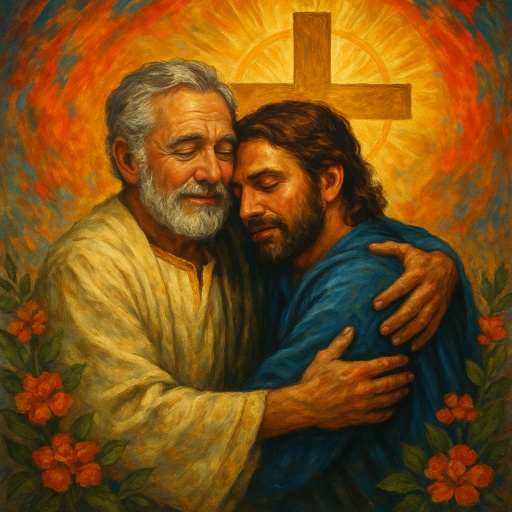
"Beloved, if God so loved us, we ought also to love one another." - 1 John 4:11

"He came unto his own, and his own received him not." - John 1:11

John 11:35

John 15.1-11

John 11:35

John (11:35) Jesus wept.

John (11:35) Jesus wept.

John (11:35) Jesus wept.

John (11:35) Jesus wept.

John (11:35) Jesus wept.

John (11:35) Jesus wept.
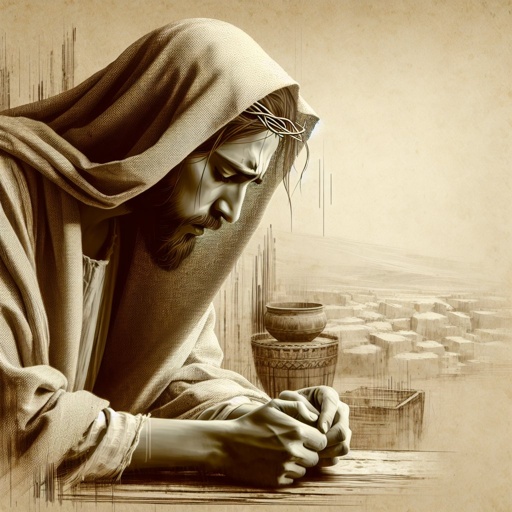
John 11:35 - "Jesus wept."

John (11:35) Jesus wept.

John (11:35) Jesus wept.

John (11:35) Jesus wept.

John (11:35) Jesus wept.