The Ripple Effect of Our Actions
"Thy wickedness may hurt a man as thou art; and thy righteousness may profit the son of man." - Job 35:8
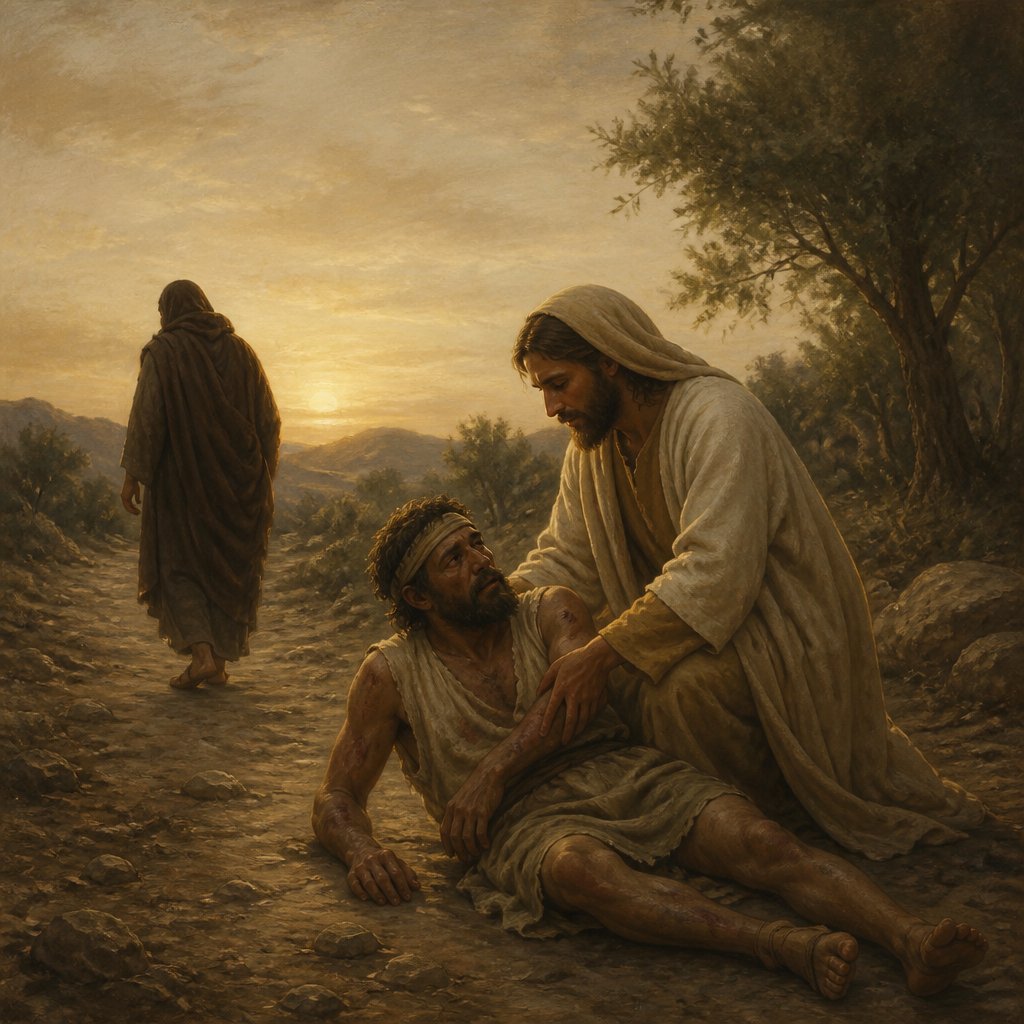
In the book of Job, we encounter the profound words of Elihu in Job 35:8: "Thy wickedness may hurt a man as thou art; and thy righteousness may profit the son of man." This verse unveils the complex interplay between human actions and their effects on others, underscoring a truth that permeates scriptural teachings: we are interconnected, and our moral choices bear weight not only on our own lives but also on the lives of others.
The context of this verse is critical to understanding its depth. Job, a man described as blameless and upright, faces unimaginable suffering. As he grapples with the loss of his wealth, family, and health, his friends offer counsel that often reflects a flawed understanding of divine justice. Elihu, the youngest of Job’s friends, breaks the mold of their previous arguments by reminding Job—and us—that our actions have real consequences in the world around us.
When Elihu states, "Thy wickedness may hurt a man as thou art," he confronts the idea that our sins not only affect our standing before God but can actively harm those in our lives. The word "wickedness" evokes images of immoral actions that lead to suffering, betrayal, and injustice. The pain inflicted can resonate through families, communities, and even entire nations. This reminder compels us to reflect on how our own choices impact our relationships and the people we interact with daily.
Take, for instance, the family unit. Decisions made by parents based on selfish desires or unwise financial choices can lead to fallout that extends to children's emotional wellbeing and their ability to trust. In workplaces, unethical behavior from a single individual can create a culture of mistrust and anxiety among colleagues. In essence, one person's wickedness can act like a pebble thrown into a pond, creating ripples that touch the lives of many, often far beyond what we can see.
Conversely, Elihu asserts, "thy righteousness may profit the son of man." In this statement lies the hope and promise that our good actions have the potential to uplift others and contribute to their wellbeing. Righteousness, in the biblical sense, is not merely about being "good" in a subjective manner; it refers to living in accordance with God's will, reflecting His character, and embodying love, justice, and mercy. The choice to act righteously can inspire others, create environments filled with kindness, and foster mutual support.
Consider the impact of a mentor who chooses to invest time in the life of a young person, guiding them through challenges and teaching them integrity. That young person may rise to become a leader not just through knowledge and skills, but also through the values instilled through righteous living. The benefits of one person's goodness can reverberate, leading to an abundance of blessings that extend beyond the individual.
As followers of Christ, we must take seriously the responsibility of our actions. Galatians 6:7 reminds us, "Be not deceived; God is not mocked: for whatsoever a man soweth, that shall he also reap." Therefore, let us endeavor to sow righteousness in our daily interactions, ensuring that each thought, word, and deed is aimed at building each other up rather than tearing down.
Job 35:8 is a striking call to introspection and accountability. It invites us to ponder the legacy of our lives—not just in terms of what we achieve, but how we impact those around us. Are we causing harm through thoughtless actions, or are we nurturing growth through our commitment to righteousness? In the tapestry of life, may we be threads of hope and integrity, enabling a greater good that transcends our existence to illuminate the lives of others. This is the higher call we are given—one that reflects the heart of God and the teachings of His Word.
Want to reflect more on Job 35:8?
Continue your spiritual journey with Bible Chat — an AI-powered tool for exploring God's Word through conversation. Ask questions, discover connections, and deepen your understanding.
Get Our Apps


Job 35:8 Artwork

Job 35:8 - "Thy wickedness may hurt a man as thou art; and thy righteousness may profit the son of man."
"Thy wickedness may hurt a man as thou art; and thy righteousness may profit the son of man." - Job 35:8

Job 34:35 - "Job hath spoken without knowledge, and his words were without wisdom."

Job 35:16 - "Therefore doth Job open his mouth in vain; he multiplieth words without knowledge."

Job 35:1 - "Elihu spake moreover, and said,"

Job 35:4 - "I will answer thee, and thy companions with thee."

Job 15:35 - "They conceive mischief, and bring forth vanity, and their belly prepareth deceit."

Job 9:35 - "Then would I speak, and not fear him; but it is not so with me."

Job 35:13 - "Surely God will not hear vanity, neither will the Almighty regard it."

Job 35:12 - "There they cry, but none giveth answer, because of the pride of evil men."

Mark 8:35

Mark 8:35

Job 35:5 - "Look unto the heavens, and see; and behold the clouds which are higher than thou."

Job 35:2 - "Thinkest thou this to be right, that thou saidst, My righteousness is more than God's?"

Mark 8:35

Mark 8:35

Romans 8:35

"Elihu spake moreover, and said," - Job 35:1

Job 38:35 - "Canst thou send lightnings, that they may go, and say unto thee, Here we are?"

Job 35:10 - "But none saith, Where is God my maker, who giveth songs in the night;"

"Job hath spoken without knowledge, and his words were without wisdom." - Job 34:35

Job 35:7 - "If thou be righteous, what givest thou him? or what receiveth he of thine hand?"

Job 35:9 - "By reason of the multitude of oppressions they make the oppressed to cry: they cry out by reason of the arm of the mighty."

Mark 8:27 - 35

Mark 8:27 - 35

Mark 8:27 - 35

Mark 8:27 - 35

Mark 8:27 - 35

Job 35:15 - "But now, because it is not so, he hath visited in his anger; yet he knoweth it not in great extremity:"

Job 35:11 - "Who teacheth us more than the beasts of the earth, and maketh us wiser than the fowls of heaven?"