A Call to Compassion: Reflecting Christ's Love for the Underserved
"If I have withheld the poor from their desire, or have caused the eyes of the widow to fail;" - Job 31:16
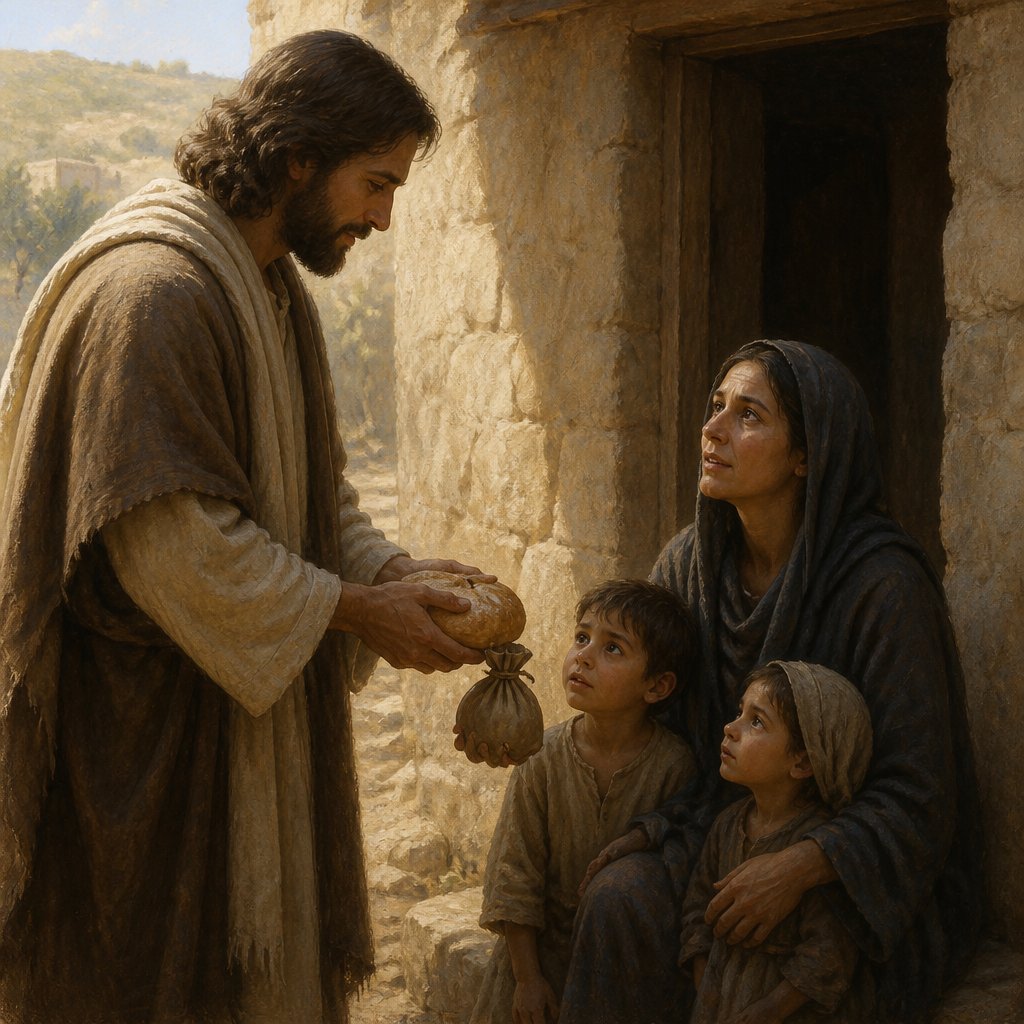
The Book of Job is a poignant testament to humanity's struggles, a narrative woven with themes of suffering, justice, and the search for divine understanding amid affliction. As we delve into Job 31:16, we encounter a profound reflection on social responsibility and compassion towards those in need. The verse states, "If I have withheld the poor from their desire, or have caused the eyes of the widow to fail;" (KJV). Here, Job is expressing an earnest commitment to social justice, an unwavering dedication to ensuring that the vulnerable are seen, heard, and uplifted.
To understand the gravity of this verse, it’s crucial to recognize Job's context. Job was a man of great wealth and integrity who experienced tremendous loss and suffering. He was well-respected in the community, known for his piety and fairness. Yet, amid his trials, he chose to reflect on his past actions and affirm his commitment to righteousness. This verse is part of a larger discourse where Job lists the virtues he upheld, emphasizing his role as a protector of the marginalized.
Job's question is a rhetorical one, beckoning us to self-evaluate our commitment to serving others. It encourages us to consider: have we withheld kindness, assistance, or understanding from others, especially the poor and the widowed, who are often viewed as the most vulnerable members of society? This reflection resounds deeply in our modern context, where those on the margins are still longing for acknowledgment and support.
In biblical times, caring for the poor and widows was a matter of great importance, emphasized throughout Scripture from the Mosaic Laws to the teachings of Christ. The Lord, in His infinite wisdom, expressed a special concern for these groups, indicating that they hold a particular place in His heart. In Proverbs 19:17 it is said, "He that hath pity upon the poor lendeth unto the Lord; and that which he hath given will he pay him again." (KJV). When we serve the needy, we are not merely fulfilling a social duty; we participate in God's divine economy of love.
When we encounter those who are in need, we are often faced with a choice: to engage or to step away. Timely compassion can make a significant difference in someone’s life. Jesus himself modeled this truth as He cared for the sick, fed the hungry, and befriended the outcasts. As followers of Christ, we are called to emulate this level of love and concern. Our actions and responses must reflect the heart of Christ, who moved with compassion without reservation.
Furthermore, the phrase "caused the eyes of the widow to fail" prompts a deeper contemplation of our actions and their consequences. To cause someone to fail—in hope, in dignity, or in spirit—is a serious matter. The emotional and spiritual implications of our indifference can often lead to grief and despair among those who are suffering. When we neglect our call to love and uplift, we not only harm others; we distance ourselves from God's will.
In closing, Job 31:16 is a clarion call, urging us to commit ourselves to the welfare of the vulnerable. It invites us to open our hearts, extend our hands, and actively engage in goodwill toward those desperately seeking help. As we embrace this responsibility, we find that we are not just meeting the needs of others; we are also deepening our relationship with God. In essence, let us not withhold from those in need, but rather, let us pour out our resources, our time, and our love. Let our lives reflect the compassionate heart of Christ, a beacon of hope in a world that so desperately seeks it.
Want to reflect more on Job 31:16?
Continue your spiritual journey with Bible Chat — an AI-powered tool for exploring God's Word through conversation. Ask questions, discover connections, and deepen your understanding.
Get Our Apps


Job 31:16 Artwork

Job 31:16 - "If I have withheld the poor from their desire, or have caused the eyes of the widow to fail;"

"If I have withheld the poor from their desire, or have caused the eyes of the widow to fail;" - Job 31:16

luke 3:1-6

Luke 3:1-6

Luke 3:1-6

Job 31:40 - "Let thistles grow instead of wheat, and cockle instead of barley. The words of Job are ended."

Job 31:31 - "If the men of my tabernacle said not, Oh that we had of his flesh! we cannot be satisfied."

Job 33:31 - "Mark well, O Job, hearken unto me: hold thy peace, and I will speak."

Job 16:1 - "Then Job answered and said,"

Job 31:11 - "For this is an heinous crime; yea, it is an iniquity to be punished by the judges."

Job 31:3 - "Is not destruction to the wicked? and a strange punishment to the workers of iniquity?"

Job 31 take an inventory of his life

Job 31:26 - "If I beheld the sun when it shined, or the moon walking in brightness;"

Job 36:31 - "For by them judgeth he the people; he giveth meat in abundance."

Job 31:32 - "The stranger did not lodge in the street: but I opened my doors to the traveller."

Job 31:4 - "Doth not he see my ways, and count all my steps?"

Job 31:38 - "If my land cry against me, or that the furrows likewise thereof complain;"

Job 15:31 - "Let not him that is deceived trust in vanity: for vanity shall be his recompence."

Job 38:31 - "Canst thou bind the sweet influences of Pleiades, or loose the bands of Orion?"

Job 31:5 - "If I have walked with vanity, or if my foot hath hasted to deceit;"

Job 31:12 - "For it is a fire that consumeth to destruction, and would root out all mine increase."

"Then Job answered and said," - Job 16:1

Job 16:16 - "My face is foul with weeping, and on my eyelids is the shadow of death;"

Job 31:33 - "If I covered my transgressions as Adam, by hiding mine iniquity in my bosom:"

Job 31:6 - "Let me be weighed in an even balance, that God may know mine integrity."

Job 30:31 - "My harp also is turned to mourning, and my organ into the voice of them that weep."

Job 31:17 - "Or have eaten my morsel myself alone, and the fatherless hath not eaten thereof;"

Job 31:2 - "For what portion of God is there from above? and what inheritance of the Almighty from on high?"

Job 31:36 - "Surely I would take it upon my shoulder, and bind it as a crown to me."

Job 31:28 - "This also were an iniquity to be punished by the judge: for I should have denied the God that is above."