The Eyes of Justice: A Reflection on Job 21:20
"His eyes shall see his destruction, and he shall drink of the wrath of the Almighty." - Job 21:20
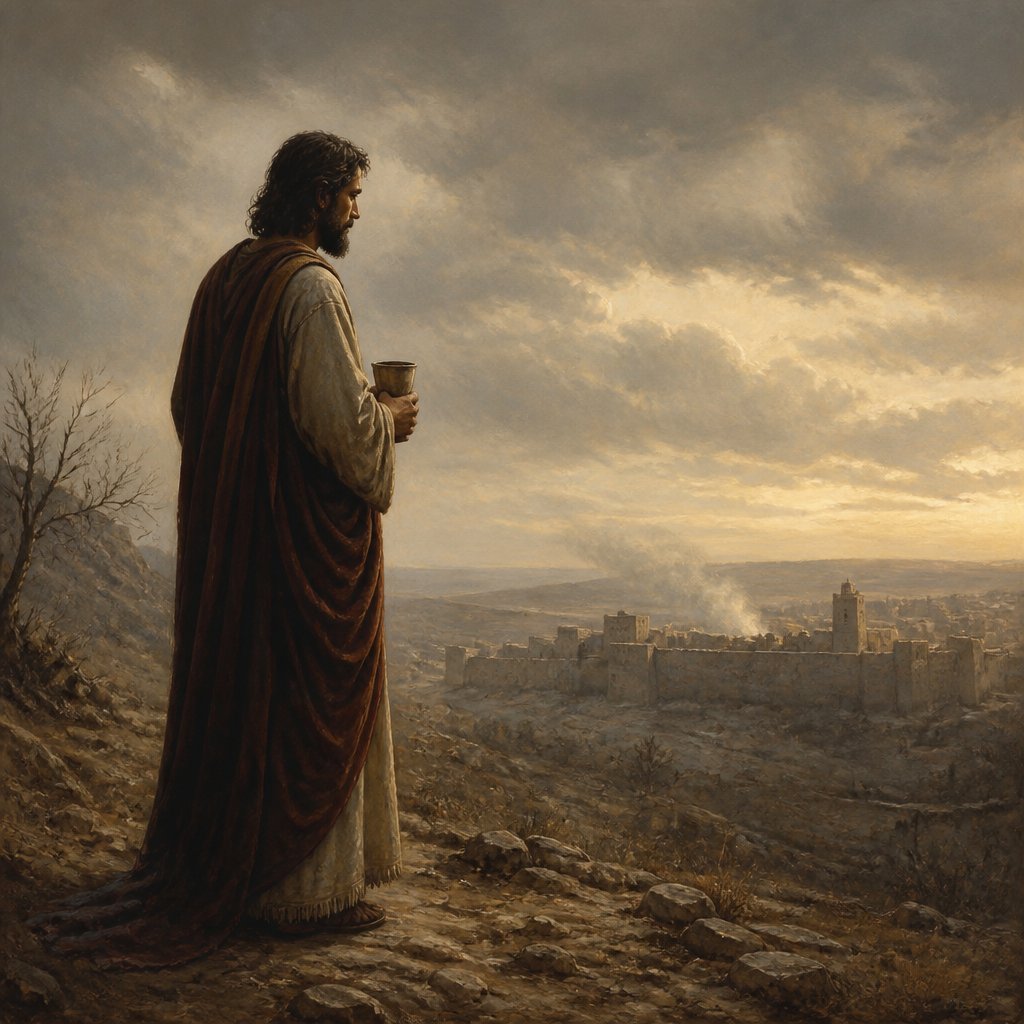
In the heart of one of the oldest texts of the Bible, the Book of Job stands as a profound exploration of suffering, faith, and the nature of divine justice. Job 21:20 declares, "His eyes shall see his destruction, and he shall drink of the wrath of the Almighty." This verse serves not only as a grim reminder of the consequences of a sinful life but also as a revelation of the deep truths concerning God’s justice and righteousness.
To comprehend this verse, we must understand its context within the narrative of Job. Job is a man who has endured unimaginable hardship; he has lost his children, his wealth, and his health—all while remaining faithful to God. His friends, however, grapple with the idea that suffering must correlate with sinfulness. In their discussions, they push the notion that the wicked are always punished in this life, which Job vehemently challenges. In Chapter 21, Job asserts a contrary reality: that the wicked often prosper, leading him to question the very concept of divine justice as envisioned by his friends.
When Job states, "His eyes shall see his destruction," he alludes to the inevitable downfall that awaits the wicked—those who live in opposition to God’s laws and righteousness. The imagery here is stark and resonant. It evokes a sense of foreboding, where the very eyes that have feasted on sin and injustice will witness the fruit of that lifestyle in all its despair. The destructive path taken by the unrepentant will lead to an awakening through painful realities; thus, they shall face their own ruin.
The phrase, "drink of the wrath of the Almighty," portrays judgment not simply as a passing event but as an intense and consuming experience. Wrath indicates a fierce response to injustice, not unlike a fierce storm that descends upon the Earth, prepared to demand account for every act of wrongdoing, every moment of disregard for divine order. Here, Job is not merely speaking of a physical destruction—he is speaking to the spiritual, emotional, and eternal consequences suffered by a life lived apart from God.
In our current world, it is easy to become disillusioned when we observe rampant injustice, the flourishing of the wicked, and the struggles of the righteous. Psalm 73 elucidates these same feelings, where Asaph wrestles with envy towards the boastful and wicked. But in moments of introspection, he arrives at the realization that the ultimate justice of God prevails. In fact, the acknowledgment of God’s sovereignty provides solace in turbulent times, assuring believers that no injustice will escape His notice.
As modern Christians, we are reminded through Job's squarely focused lamentation that intrigues us to hold fast to the hope of God’s future justice. We do not always see the immediate repercussions of wrongdoings, much like Job didn’t during his trials. Yet, we trust in a God who sees all. Our understanding of justice must expand beyond earthly measures of retribution; it must encompass the eternal perspective where God will rectify every wrong, bringing to account not just actions but the intentions and beliefs behind those actions.
Let us also reflect on the serious implications of this verse for our own lives. Are there inclinations or actions that, when left unchecked, could lead to our own destruction? The beauty of grace allows us to turn from those paths, to seek restoration while we have breath. God, in His mercy, calls us to repentance, inviting us away from the destruction that follows sin and into the abundant life found in Christ.
In conclusion, Job 21:20 serves as both a warning and an invitation to examine our hearts and actions. May we seek to live lives aligned with God’s truth, embracing His disciplines with humility, and steadfastly trusting in His perfect justice. For in the end, it is not solely about our immediate conditions, but about the eternal reality that awaits those who choose the path of righteousness over destruction.
Want to reflect more on Job 21:20?
Continue your spiritual journey with Bible Chat — an AI-powered tool for exploring God's Word through conversation. Ask questions, discover connections, and deepen your understanding.
Get Our Apps


Job 21:20 Artwork

Job 21:20 - "His eyes shall see his destruction, and he shall drink of the wrath of the Almighty."
"His eyes shall see his destruction, and he shall drink of the wrath of the Almighty." - Job 21:20

Job 3:20-21 - "Job 3:20-21: Why is light given to those in misery, and life to the bitter of soul, to those who long for death that does not come, who search for it more than for hidden treasure?"

Job 20:21 - "There shall none of his meat be left; therefore shall no man look for his goods."

"Job 3:20-21: Why is light given to those in misery, and life to the bitter of soul, to those who long for death that does not come, who search for it more than for hidden treasure?" - Job 3:20-21
"There shall none of his meat be left; therefore shall no man look for his goods." - Job 20:21

Job 21:1 - "But Job answered and said,"

"But Job answered and said," - Job 21:1

Job 1:21

Job 1:20

Job 1:20

Job 1:21

Job 1:20 - "Then Job arose, and rent his mantle, and shaved his head, and fell down upon the ground, and worshipped,"

Job 20:5 - "That the triumphing of the wicked is short, and the joy of the hypocrite but for a moment?"

Job 20:1 - "Then answered Zophar the Naamathite, and said,"

Luke 13:20-21

Luke 13:20-21

Luke 13:20-21

Job 20:20 - "Surely he shall not feel quietness in his belly, he shall not save of that which he desired."

Luke 13:20-21

Luke 13:20-21

Job 21:21 - "For what pleasure hath he in his house after him, when the number of his months is cut off in the midst?"

Genesis 21-20

John 20:21

Job 28:20 - "Whence then cometh wisdom? and where is the place of understanding?"

Job 21:12 - "They take the timbrel and harp, and rejoice at the sound of the organ."

Job 21:8 - "Their seed is established in their sight with them, and their offspring before their eyes."

Job 21:2 - "Hear diligently my speech, and let this be your consolations."

Job 36:20 - "Desire not the night, when people are cut off in their place."

Job 21:13 - "They spend their days in wealth, and in a moment go down to the grave."