Laments of the Wilderness: A Call to Compassion and Restoration
"For the mountains will I take up a weeping and wailing, and for the habitations of the wilderness a lamentation, because they are burned up, so that none can pass through them; neither can men hear the voice of the cattle; both the fowl of the heavens and the beast are fled; they are gone." - Jeremiah 9:10
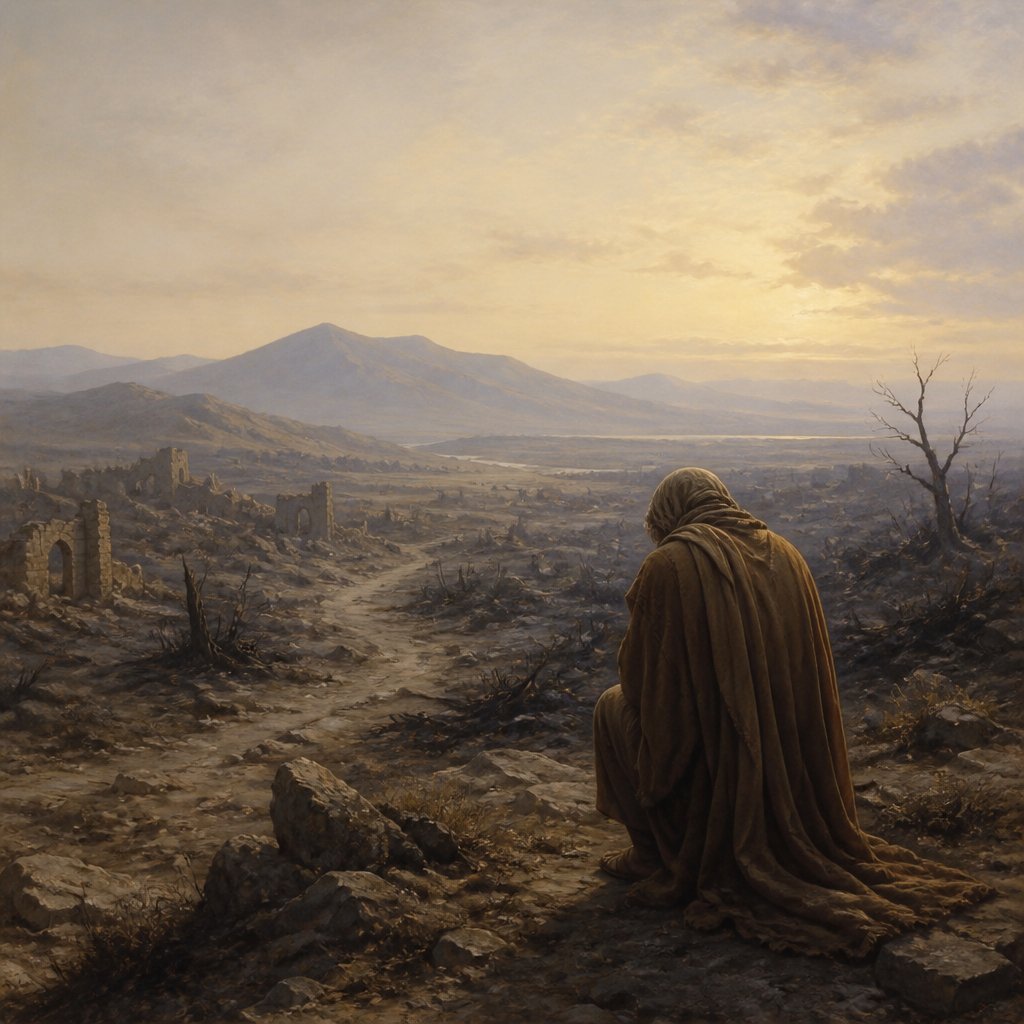
As we turn our thoughts to the powerful words of Jeremiah 9:10, we must prepare our hearts to mourn along with the prophet: "For the mountains will I take up a weeping and wailing, and for the habitations of the wilderness a lamentation, because they are burned up, so that none can pass through them; neither can men hear the voice of the cattle; both the fowl of the heavens and the beast are fled; they are gone" (KJV). This poignant declaration not only reflects Jeremiah’s grief over the devastation of the land but also begs us to examine the larger themes of loss, lamentation, and ultimately, the call towards restoration.
In this verse, we witness Jeremiah’s profound sorrow for the natural world and the spiritual state of his people. The imagery of the mountains weeping conveys the depth of emotional resonance Jeremiah feels for the desolation caused by sin and exile. The 'burned up' wilderness symbolizes not only physical destruction but also the spiritual desolation that follows when God’s people turn away from Him. Here, mountains, usually associated with majesty and stability, are portrayed in a state of despair—a reminder of the weight of human sinfulness, which alters the very fabric of God’s creation.
The wilderness, often viewed in biblical text as a place of solitude and reflection, here becomes a haunting reminder of emptiness. Its once bustling activity—the cattle’s calls, the birds overhead, the beasts roaming freely—has been silenced. Lamentation fills the air, echoing the vacuity left by sin. As followers of Christ, we are also invited to lament. However, our lamentation should lead us to reckon with our own spiritual wilderness and desolation, prompting a sincere reflection on our relationship with God.
This verse calls us to not only recognize the desolation present among us but also to empathize with it. The world around us is often marred by strife, division, and loss, much like the land Jeremiah laments. Families are torn apart, communities are shaken, and individuals are suffering in silence. Jeremiah’s weeping should compel us to weep alongside those who grieve in our daily lives. We must become active participants in the process of restoration.
God calls us to be ‘repairers of the breach’ (Isaiah 58:12) and to stand in the gap for those in our communities who experience burned-out hardships—be it emotional, spiritual, or physical. This verse can serve as a profound reminder that we cannot turn a blind eye to suffering; we are tasked to reflect God’s compassion and action in a broken world. .
We must ask ourselves: How can we mourn for the lost aspects of our society? How can we show up in love, shine the light of hope, and extend grace to those around us? Our affections and actions must align to form a bridge of connection and assistance for those in need.
Moreover, this lamentation is not merely a cry for acknowledgment but also a rallying call for action toward restoration. Just as God established a covenant with His people, calling them to renewal, so must we engage with the challenges of today with the expectation of healing and redemption. As we meditate on these words, let us also focus on God’s capacity to bring life from death, hope from despair, and beauty from ashes.
As God's creation, our weeping for the mountains and wilderness becomes a part of the narrative of transformation. It is an invitation to witness the revival that comes when a community turns back to God. Our lamentation forms the groundwork for prayer and intercession. Let us, therefore, join with Jeremiah in his honesty, allowing the honest expression of grief to inspire us to act—seeking ways to restore not only the physical wilderness but the hearts and souls of those who feel lost.
In closing, may we take up our own weeping and wailing, not as an endpoint, but as the first step toward restoration, rooted in faith and hope in the Redeemer who can bring life back to the wilderness.
Want to reflect more on Jeremiah 9:10?
Continue your spiritual journey with Bible Chat — an AI-powered tool for exploring God's Word through conversation. Ask questions, discover connections, and deepen your understanding.
Get Our Apps


Jeremiah 9:10 Artwork

Jeremiah 9:10 - "For the mountains will I take up a weeping and wailing, and for the habitations of the wilderness a lamentation, because they are burned up, so that none can pass through them; neither can men hear the voice of the cattle; both the fowl of the heavens and the beast are fled; they are gone."
"For the mountains will I take up a weeping and wailing, and for the habitations of the wilderness a lamentation, because they are burned up, so that none can pass through them; neither can men hear the voice of the cattle; both the fowl of the heavens and the beast are fled; they are gone." - Jeremiah 9:10

Jeremiah 10:9 - "Silver spread into plates is brought from Tarshish, and gold from Uphaz, the work of the workman, and of the hands of the founder: blue and purple is their clothing: they are all the work of cunning men."

Jeremiah 17:9-10 - "The heart is deceitful above all things and beyond cure. Who can understand it? “I the Lord search the heart and examine the mind, to reward each person according to their conduct, according to what their deeds deserve."

Jeremiah 10:5

Jeremiah 1: 1-10

Nehemiah 10:2 - "Seraiah, Azariah, Jeremiah,"
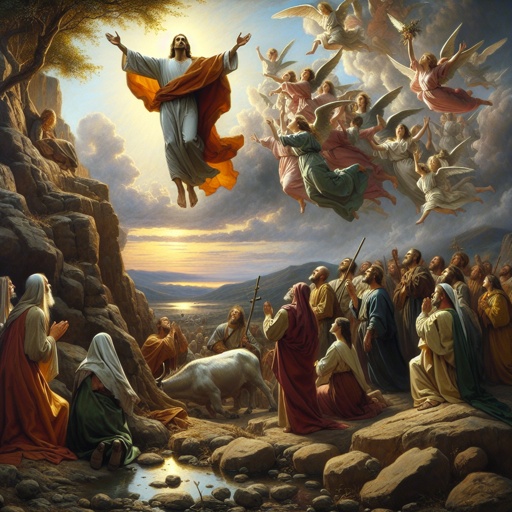
Psalm 10:9-10

Psalm 10:9-10

Jeremiah 9:9 - "¶ Shall I not visit them for these things? saith the LORD: shall not my soul be avenged on such a nation as this?"

1 Chronicles 12:10 - "Mishmannah the fourth, Jeremiah the fifth,"

Jeremiah 10:8 - "But they are altogether brutish and foolish: the stock is a doctrine of vanities."

Jeremiah 28:10 - "Then Hananiah the prophet took the yoke from off the prophet Jeremiah's neck, and brake it."

Jeremiah 10:15 - "They are vanity, and the work of errors: in the time of their visitation they shall perish."

Jeremiah 10:4 - "They deck it with silver and with gold; they fasten it with nails and with hammers, that it move not."

Jeremiah 38:9 (KJVA) 9 My lord the king, these men have done evil in all that they have done to Jeremiah the prophet, whom they have cast into the dungeon; and he is like to die for hunger in the place where he is: for there is no more bread in the city.
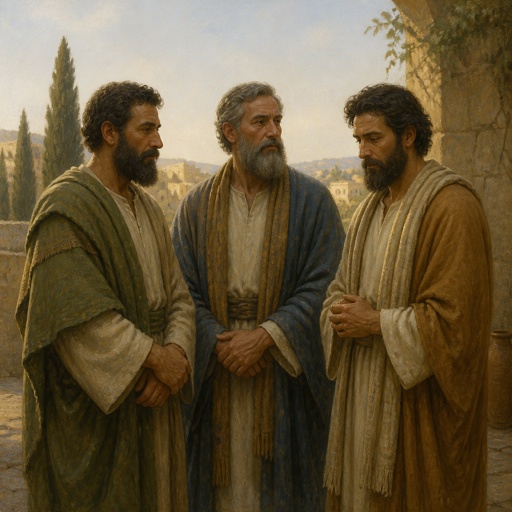
"Seraiah, Azariah, Jeremiah," - Nehemiah 10:2

John 10:9

John 10:9

John 10:9

Jeremiah 38:9 (KJVA) 9 My lord the king, these men have done evil in all that they have done to Jeremiah the prophet, whom they have cast into the dungeon; and he is like to die for hunger in the place where he is: for there is no more bread in the city.

Jeremiah 19:10 - "Then shalt thou break the bottle in the sight of the men that go with thee,"

Romans 10:9

Romans 10:9

Jeremiah 10:10 - "But the LORD is the true God, he is the living God, and an everlasting king: at his wrath the earth shall tremble, and the nations shall not be able to abide his indignation."

Jeremiah 38:10 - "Then the king commanded Ebed-melech the Ethiopian, saying, Take from hence thirty men with thee, and take up Jeremiah the prophet out of the dungeon, before he die."

Jeremiah 10:17 - "¶ Gather up thy wares out of the land, O inhabitant of the fortress."

Jeremiah 17:9 - "¶ The heart is deceitful above all things, and desperately wicked: who can know it?"

Jeremiah 36:10 - "Then read Baruch in the book the words of Jeremiah in the house of the LORD, in the chamber of Gemariah the son of Shaphan the scribe, in the higher court, at the entry of the new gate of the LORD'S house, in the ears of all the people."

Jeremiah 17:9 (KJVA) 9 The heart is deceitful above all things, and desperately wicked: who can know it?