The Promise of Renewal: Planting Vines in Samaria
"Thou shalt yet plant vines upon the mountains of Samaria: the planters shall plant, and shall eat them as common things." - Jeremiah 31:5
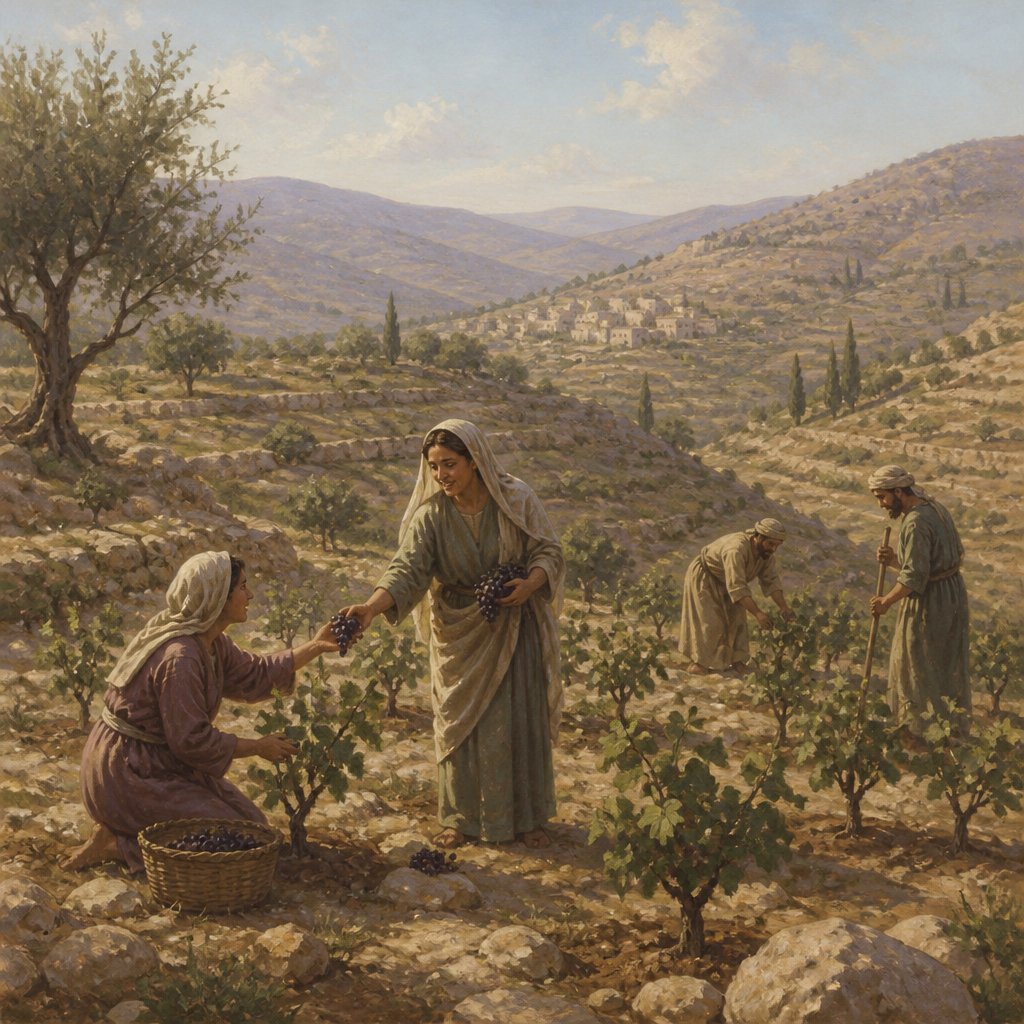
In the book of Jeremiah, the prophet delivers messages of hope amidst a backdrop of impending judgment and exile. The verse Jeremiah 31:5 states, "Thou shalt yet plant vines upon the mountains of Samaria: the planters shall plant, and shall eat them as common things." This promise is stirred in the heart of a nation that had witnessed significant strife and despair. It beckons us to reflect on three significant themes: hope, divine providence, and restoration.
First, the mention of planting vines signifies hope—not only for the people of Israel but for anyone who feels burdened by hopelessness. Samaria, once a vibrant region, had been ravaged by wars, destruction, and captivity. In a world where the Israelites might have seen barrenness and despair, God declares that they will again plant vines. Imagine the atmosphere of the land—once flourishing, now cloaked in desolation. Yet, God’s promise assures the Israelites that they will not just survive; they will thrive. Life will return. Vines represent prosperity, joy, and abundance, conjuring images of communities being rebuilt, families gathering for meals, laughter ringing out, and hope flourishing once more. In our lives, what does it mean to plant vines? It may involve nurturing dreams, engaging relationships, or faith paths that seem abandoned. This verse encourages us to plant in faith, trusting that God will bring about growth and restoration.
Secondly, we must recognize the role of divine providence in this promise. The act of planting vines upon the mountains of Samaria is deeply symbolic of God’s orchestration in our lives. To plant, one must have faith in the underlying principles of growth, trusting that despite visible circumstances, something wonderful is at play. It reminds us of the biblical principle found in Ecclesiastes 3:1 which says, "To every thing there is a season, and a time to every purpose under the heaven." The mountains often invoke a sense of permanence and majesty but planting on these heights implies engaging in hope even when circumstances seem overwhelming. God asks the people to act, to engage in the act of planting and then to witness the fruition of their labor, saying, "the planters shall plant, and shall eat them as common things." There is a profound assurance in this promise; our labor has intrinsic value, rooted in God’s faithfulness.
Lastly, let's look at the theme of restoration woven into this promise. It reflects God's intention to restore what was lost. Historically, the Israelites had suffered loss—not just materially but spiritually. This verse is a commitment from God that restoration is coming, and it is guaranteed. The vine becomes a metaphor for new life, a life filled with sweetness. The act of enjoying what has been planted as "common things" reflects the understanding of abundance in daily life. It becomes an invitation to see the miraculous as commonplace, to experience God’s goodness in every small detail of our existence. As consequence of our efforts, we are reminded of God’s grace that not only meets our basic needs but rejoices in blessing us abundantly.
In our spiritual journeys, we may sometimes feel as if we are in a desert, waiting for God to bring change. Like the promise given to the people of Samaria, God’s promises remind us that we must take steps in faith—planting seeds of hope, love, and service, trusting God to help them grow. Each act of planting is an act of faith, showing that we believe in God’s promise of restoration.
Jeremiah 31:5 encapsulates the divine commitment to Israel and holds true today. It exemplifies that in all circumstances—whether in times of waiting, sorrow, or difficulty—God is faithful to plant and nourish our souls. We are called to plant our own vines on the mountains before us, believing that abundant life lies ahead. As we step forward in faith, God will nurture our efforts and lead us into seasons of fruitful living.
Want to reflect more on Jeremiah 31:5?
Continue your spiritual journey with Bible Chat — an AI-powered tool for exploring God's Word through conversation. Ask questions, discover connections, and deepen your understanding.
Get Our Apps


Jeremiah 31:5 Artwork

Jeremiah 31:5 - "Thou shalt yet plant vines upon the mountains of Samaria: the planters shall plant, and shall eat them as common things."
"Thou shalt yet plant vines upon the mountains of Samaria: the planters shall plant, and shall eat them as common things." - Jeremiah 31:5

Jeremiah 5:31 - "The prophets prophesy falsely, and the priests bear rule by their means; and my people love to have it so: and what will ye do in the end thereof?"

Jeremiah 31:31-33

Jeremiah 31:31-33

Jeremiah 31:31 - "¶ Behold, the days come, saith the LORD, that I will make a new covenant with the house of Israel, and with the house of Judah:"

Jeremiah 31:25 put bible verse on it

Jeremiah 31:26 - "Upon this I awaked, and beheld; and my sleep was sweet unto me."
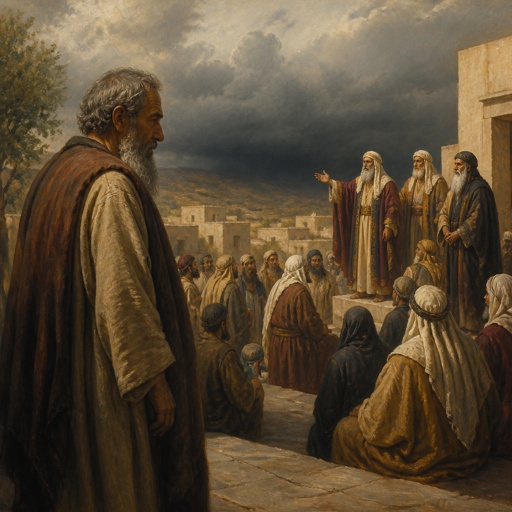
"The prophets prophesy falsely, and the priests bear rule by their means; and my people love to have it so: and what will ye do in the end thereof?" - Jeremiah 5:31

Jeremiah 31:31 "Behold, the days are coming, says the Lord, when I will make a new covenant with the house of Israel and with the house of Judah--

Jeremiah 31:31 "Behold, the days are coming, says the Lord, when I will make a new covenant with the house of Israel and with the house of Judah--

Jeremiah 31:25 - "For I have satiated the weary soul, and I have replenished every sorrowful soul."

Jeremiah 31:1 - "At the same time, saith the LORD, will I be the God of all the families of Israel, and they shall be my people."

Jeremiah 23:31 - "Behold, I am against the prophets, saith the LORD, that use their tongues, and say, He saith."

Jeremiah 31:24 - "And there shall dwell in Judah itself, and in all the cities thereof together, husbandmen, and they that go forth with flocks."

Jeremiah 31:11 - "For the LORD hath redeemed Jacob, and ransomed him from the hand of him that was stronger than he."

Jeremiah 31:17 - "And there is hope in thine end, saith the LORD, that thy children shall come again to their own border."

Jeremiah 31:14 - "And I will satiate the soul of the priests with fatness, and my people shall be satisfied with my goodness, saith the LORD."

Jeremiah 31:29 - "In those days they shall say no more, The fathers have eaten a sour grape, and the children's teeth are set on edge."
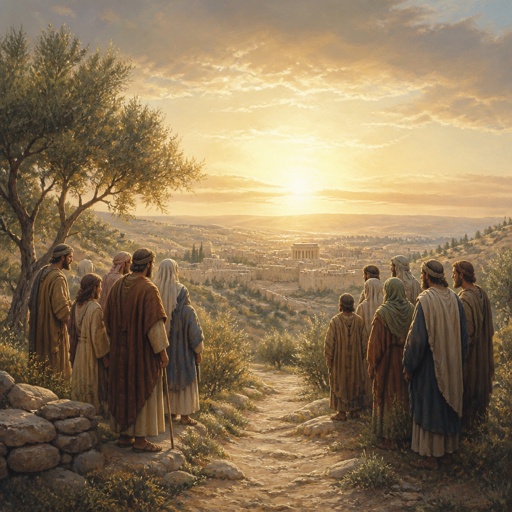
"¶ Behold, the days come, saith the LORD, that I will make a new covenant with the house of Israel, and with the house of Judah:" - Jeremiah 31:31

John 5:31 - "If I bear witness of myself, my witness is not true."

Jeremiah 10:5

Proverbs 31:5 - "Lest they drink, and forget the law, and pervert the judgment of any of the afflicted."

Jeremiah 31:39 - "And the measuring line shall yet go forth over against it upon the hill Gareb, and shall compass about to Goath."

Jeremiah 31:27 - "¶ Behold, the days come, saith the LORD, that I will sow the house of Israel and the house of Judah with the seed of man, and with the seed of beast."

Jeremiah 31:38 - "¶ Behold, the days come, saith the LORD, that the city shall be built to the LORD from the tower of Hananeel unto the gate of the corner."

Jeremiah 48:31 - "Therefore will I howl for Moab, and I will cry out for all Moab; mine heart shall mourn for the men of Kir-heres."

Job 31:5 - "If I have walked with vanity, or if my foot hath hasted to deceit;"

Luke 5:31 - "And Jesus answering said unto them, They that are whole need not a physician; but they that are sick."

Jeremiah 36:5 - "And Jeremiah commanded Baruch, saying, I am shut up; I cannot go into the house of the LORD:"