Breaking Generational Chains: A Reflection on Jeremiah 31:29
"In those days they shall say no more, The fathers have eaten a sour grape, and the children's teeth are set on edge." - Jeremiah 31:29
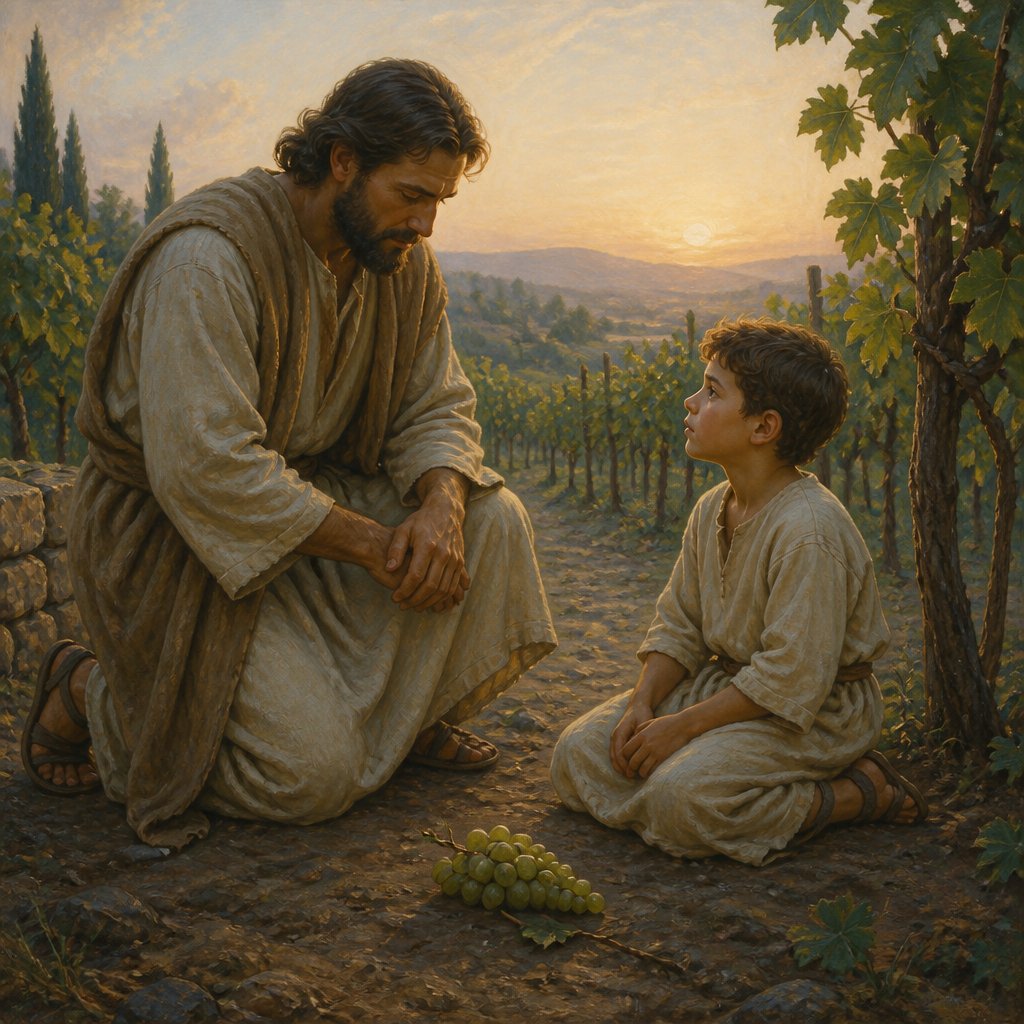
Jeremiah 31:29 presents a powerful declaration concerning the relationships between generations and the consequences of sin. The King James Version states, "In those days they shall say no more, The fathers have eaten a sour grape, and the children's teeth are set on edge." This verse introduces a profound shift in understanding God’s justice and grace. It reminds us of the longing for freedom from generational burdens and the hope of personal accountability.
For centuries, the Israelites lived under a system of collective guilt, where the consequences of a parent’s actions could reverberate through the lives of their children. It reflects a common human experience: how the sins, mistakes, and failures of previous generations can cast long shadows over the current generation. This verse poignantly highlights that societal and familial consequences can feel oppressive, setting the stage for the eventual liberation that God promises.
When God communicates through Jeremiah, He is letting us know that a time is coming—"In those days"— when this old proverb will no longer be heard. What does it mean for us to consider that a time is coming when we can break free from the chains of our ancestors’ sins? God’s truth reveals there is hope for us to rise above brokenness and despair, not only for ourselves but also for our children.
This prophetic utterance signifies a transformational era, a covenant while the Lord promises a new relationship with His people through the upcoming new covenant brought forth by Jesus Christ. In this new covenant, personal responsibility and individual repentance take precedence. No longer will individuals suffer the consequences of their forebears’ sins. Each person will be held responsible for their own actions, signifying the choice we all possess to turn towards God, repent and establish a new path.
In this context, we can examine our own lives: What sour grapes have we inherited? **Perhaps bitterness, resentment, or patterns of sin that have been carried within families for generations.** These burdens can manifest as emotional pain or limiting beliefs that bind us. Jeremiah’s prophecy reminds us that God desires to break these cycles, inspiring a new beginning.
The message encapsulates a profound hope for redemption and restoration. When we acknowledge our inheritance—even if it includes the sour grapes of our ancestors—we also recognize our power to change the narrative of our lives and the lives of those who follow us. Each of us has a unique relationship with God that allows for His grace to transform our weaknesses into strength and our generational sins into testimonies of victory.
As we meditate on Jeremiah 31:29, let us commit to personal introspection. **Are there patterns in our family history that we are perpetuating?** Are we allowing the past to dictate our present choices? God challenges us through this verse to stand up against these inherited consequences and embrace the new life He offers.
The ultimate message of Jeremiah 31:29 is liberation—the promise that we can satisfy our hunger for freedom from the condemnation of past generations. Our faith equips us to break free from the sour grapes. Therefore, as followers of Christ, we carry an essential role in our family lineage. We become agents of reconciliation, capable of re-establishing familial legacies rooted in love, justice, and mercy. Significantly, we can instill in our children a faith that resounds with hope, breaking the generational chains of bitterness and failure.
Let us fervently pray for the discernment to recognize those sour grapes in our lives and for the courage to uproot them. As we step into this new day, may we anchor ourselves in the truth of God’s word, knowing that we are not merely products of our past but transformable vessels of His grace and love—as He works all things for our good.
Want to reflect more on Jeremiah 31:29?
Continue your spiritual journey with Bible Chat — an AI-powered tool for exploring God's Word through conversation. Ask questions, discover connections, and deepen your understanding.
Get Our Apps


Jeremiah 31:29 Artwork

Jeremiah 31:29 - "In those days they shall say no more, The fathers have eaten a sour grape, and the children's teeth are set on edge."
"In those days they shall say no more, The fathers have eaten a sour grape, and the children's teeth are set on edge." - Jeremiah 31:29

Jeremiah 29:31 - "Send to all them of the captivity, saying, Thus saith the LORD concerning Shemaiah the Nehelamite; Because that Shemaiah hath prophesied unto you, and I sent him not, and he caused you to trust in a lie:"

Jeremiah 29:29 - "And Zephaniah the priest read this letter in the ears of Jeremiah the prophet."

Jeremiah 31:31-33

Jeremiah 31:31-33
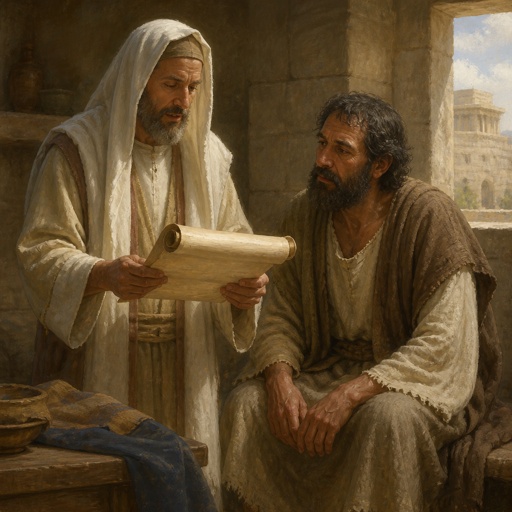
"And Zephaniah the priest read this letter in the ears of Jeremiah the prophet." - Jeremiah 29:29

Jeremiah 29:30 - "¶ Then came the word of the LORD unto Jeremiah, saying,"

Jeremiah 29:11-13

Jeremiah 29:11-13

Jeremiah 29:11-13

Jeremiah 29:11-13

Jeremiah 29:11

Jeremiah 29:11

Jeremiah 29:11

Jeremiah 29:11

Jeremiah 31:31 - "¶ Behold, the days come, saith the LORD, that I will make a new covenant with the house of Israel, and with the house of Judah:"

Jeremiah 29: 4-14

Jeremiah 29: 4-14

Jeremiah 29: 4-14

Jeremiah 29: 4-14

Jeremiah 29: 4-14

Proverbs 31:29 - "Many daughters have done virtuously, but thou excellest them all."

Numbers 31:29 - "Take it of their half, and give it unto Eleazar the priest, for an heave offering of the LORD."

Exodus 29:31 - "¶ And thou shalt take the ram of the consecration, and seethe his flesh in the holy place."

Jeremiah 29:27 - "Now therefore why hast thou not reproved Jeremiah of Anathoth, which maketh himself a prophet to you?"

Genesis 29:31 - "¶ And when the LORD saw that Leah was hated, he opened her womb: but Rachel was barren."

"¶ Then came the word of the LORD unto Jeremiah, saying," - Jeremiah 29:30

Jeremiah 29:11 sticker elements

Joshua 24: 29-31 An image including old Jushua