The Unfathomable Heart of God: A Reflection on Jeremiah 20:17
"Because he slew me not from the womb; or that my mother might have been my grave, and her womb to be always great with me." - Jeremiah 20:17
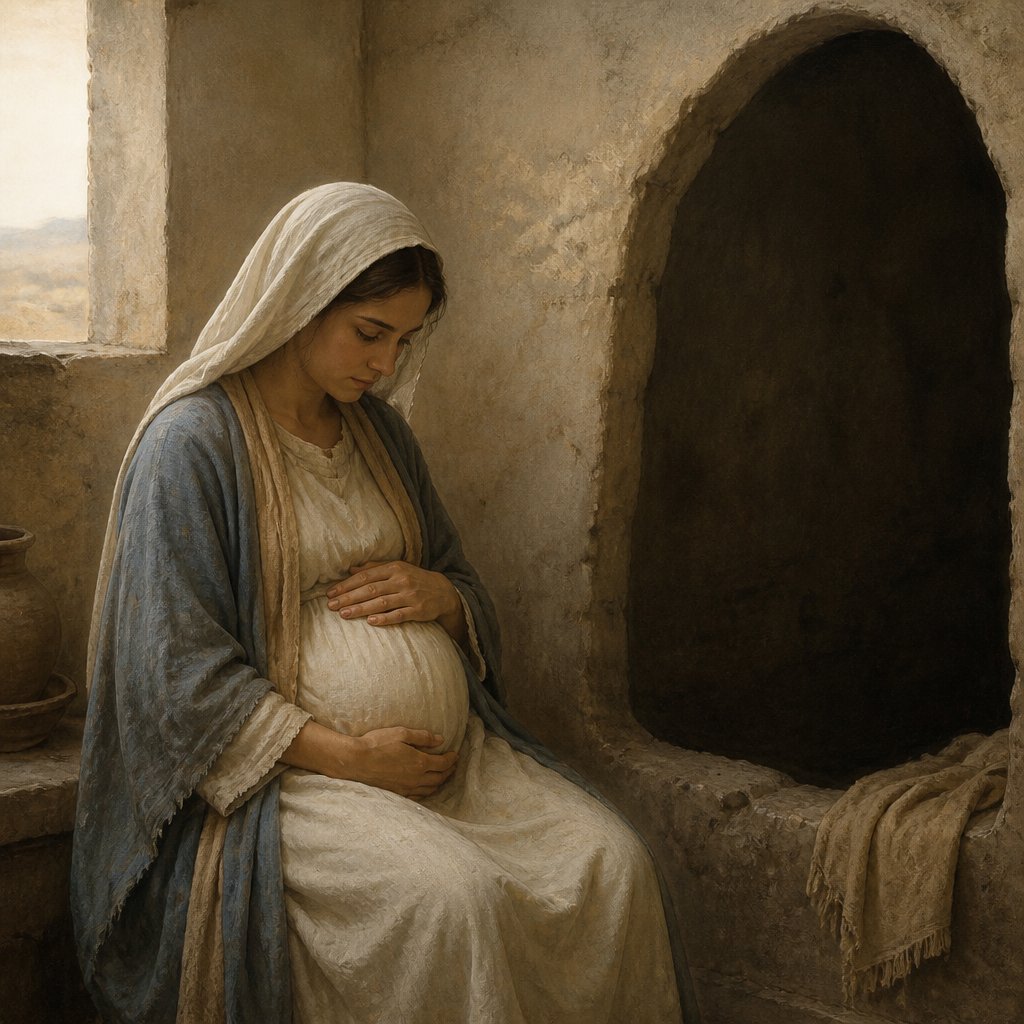
In Jeremiah 20:17, we encounter the profound sorrow and despair that the prophet Jeremiah experienced, as he cries out, "Because he slew me not from the womb; or that my mother might have been my grave, and her womb to be always great with me." This verse offers us a window into the depths of human struggle and the complexities of God’s plans in our lives.
Jeremiah was a prophet chosen by God to deliver messages of judgment and repentance to Israel. However, his mission was fraught with pain and rejection. Rather than embracing God’s word, the people turned against him, leading Jeremiah to feel isolated and desolate. His lament reflects the agony of one who feels utterly abandoned, questioning why he was allowed to be born at all if his life was destined for such suffering.
At the heart of Jeremiah’s plea lies a profound question: What is the purpose of suffering? In this world, we encounter suffering in many forms—loss, betrayal, unfulfilled dreams, and the heartache of watching our loved ones struggle. Jeremiah wished that he had never been born, that his mother had indeed been his grave, reflecting a desire for escape from the pain of fulfilling God’s calling.
To understand Jeremiah’s anguish, we must first acknowledge the weight of his prophetic call. God had set him apart even before he was formed in the womb, a sacred identity couched in suffering (Jeremiah 1:5). To carry the burden of God’s word in a time of rebellion is a heavy mantle—one that can lead to deep anguish. In our own lives, the burdens we face may feel insurmountable, tempting us to echo Jeremiah's cry.
However, even in our darkest moments, it is essential to remember that God has a purpose for each one of us. The Bible consistently presents God as actively involved in our lives, working through our pain for a greater plan. In Romans 8:28, we are reminded that "all things work together for good to them that love God, to them who are the called according to his purpose." This passage reassures us that our suffering is not in vain but can be transformed into something beautiful in God’s time.
Moreover, we must not overlook the value of lamentation. Throughout Scripture, we see many examples of people crying out to God in their pain. The Psalms, in particular, are filled with cries of anguish from the faithful, reminding us that it is okay—necessary, even—to bring our sorrows before the Lord. God welcomes our honesty, and in doing so, we invite Him into our struggles. Lamentation is an act of faith that acknowledges God’s sovereignty even when we are bewildered by our circumstances.
Jeremiah's lament serves as a poignant reminder that our emotional and spiritual struggles are valid. God does not shy away from our pain; instead, He walks alongside us through it. Christ Himself experienced anguish in the Garden of Gethsemane, exemplifying how suffering can bring us closer to God’s will. His death on the cross was the ultimate expression of love, taking on our suffering and betrayal.
In reflecting on Jeremiah 20:17, may we transform our anguish into an invitation for God to reveal His plans amidst our struggles. Let us embrace the journey of lamentation not as a destination but as part of our faith walk, allowing God to shape our hearts through the pain. From our wounds can spring forth healing, understanding, and a deeper intimacy with our Creator. Whether you find yourself in a season of sorrow or joy, remember that God is intricately weaving your story, and every chapter, even the painful ones, plays a crucial role in His divine narrative. Let us trust in His unwavering goodness, even when we cannot see beyond our present suffering.
Want to reflect more on Jeremiah 20:17?
Continue your spiritual journey with Bible Chat — an AI-powered tool for exploring God's Word through conversation. Ask questions, discover connections, and deepen your understanding.
Get Our Apps


Jeremiah 20:17 Artwork

Jeremiah 20:17 - "Because he slew me not from the womb; or that my mother might have been my grave, and her womb to be always great with me."
"Because he slew me not from the womb; or that my mother might have been my grave, and her womb to be always great with me." - Jeremiah 20:17

Jeremiah 17:20 - "And say unto them, Hear ye the word of the LORD, ye kings of Judah, and all Judah, and all the inhabitants of Jerusalem, that enter in by these gates:"

Jeremiah 20:4

Jeremiah 17:17 - "Be not a terror unto me: thou art my hope in the day of evil."

Genesis 20-17

Matthew 17:20

Jeremiah 17:7-8

Matthew 17:20

Genesis 17-20

Jeremiah 17:7-8

Jeremiah 17:7-8

Jeremiah 17:7-8
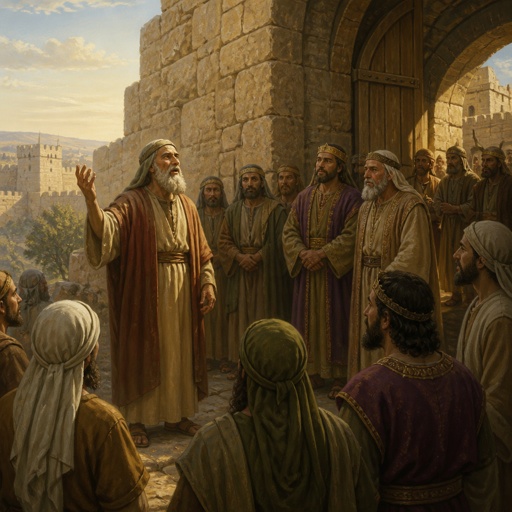
"And say unto them, Hear ye the word of the LORD, ye kings of Judah, and all Judah, and all the inhabitants of Jerusalem, that enter in by these gates:" - Jeremiah 17:20

Jeremiah 20:2 - "Then Pashur smote Jeremiah the prophet, and put him in the stocks that were in the high gate of Benjamin, which was by the house of the LORD."

Jeremiah 20:3 - "And it came to pass on the morrow, that Pashur brought forth Jeremiah out of the stocks. Then said Jeremiah unto him, The LORD hath not called thy name Pashur, but Magor-missabib."

Jeremiah 20:1 - "Now Pashur the son of Immer the priest, who was also chief governor in the house of the LORD, heard that Jeremiah prophesied these things."

Jeremiah 44:20 - "¶ Then Jeremiah said unto all the people, to the men, and to the women, and to all the people which had given him that answer, saying,"

Jeremiah 5:20 - "Declare this in the house of Jacob, and publish it in Judah, saying,"

Jeremiah 8:20 - "The harvest is past, the summer is ended, and we are not saved."

Jeremiah 16:20 - "Shall a man make gods unto himself, and they are no gods?"

Jeremiah 17:7 - "Blessed is the man that trusteth in the LORD, and whose hope the LORD is."

Jeremiah 28:17 - "So Hananiah the prophet died the same year in the seventh month."

Jeremiah 7:17 - "¶ Seest thou not what they do in the cities of Judah and in the streets of Jerusalem?"

Jeremiah 17:12 - "¶ A glorious high throne from the beginning is the place of our sanctuary."

Young prophet Jeremiah 17 years old

2 Samuel 22:17-20

Jeremiah 26:20 - "And there was also a man that prophesied in the name of the LORD, Urijah the son of Shemaiah of Kirjath-jearim, who prophesied against this city and against this land according to all the words of Jeremiah:"

Jeremiah 41:17 (KJVA) 17 And they departed, and dwelt in the habitation of Chimham, which is by Bethlehem, to go to enter into Egypt,

Jeremiah 46:20 - "Egypt is like a very fair heifer, but destruction cometh; it cometh out of the north."