Songs of Deliverance: A Devotional on Jeremiah 20:13
"Sing unto the LORD, praise ye the LORD: for he hath delivered the soul of the poor from the hand of evildoers." - Jeremiah 20:13
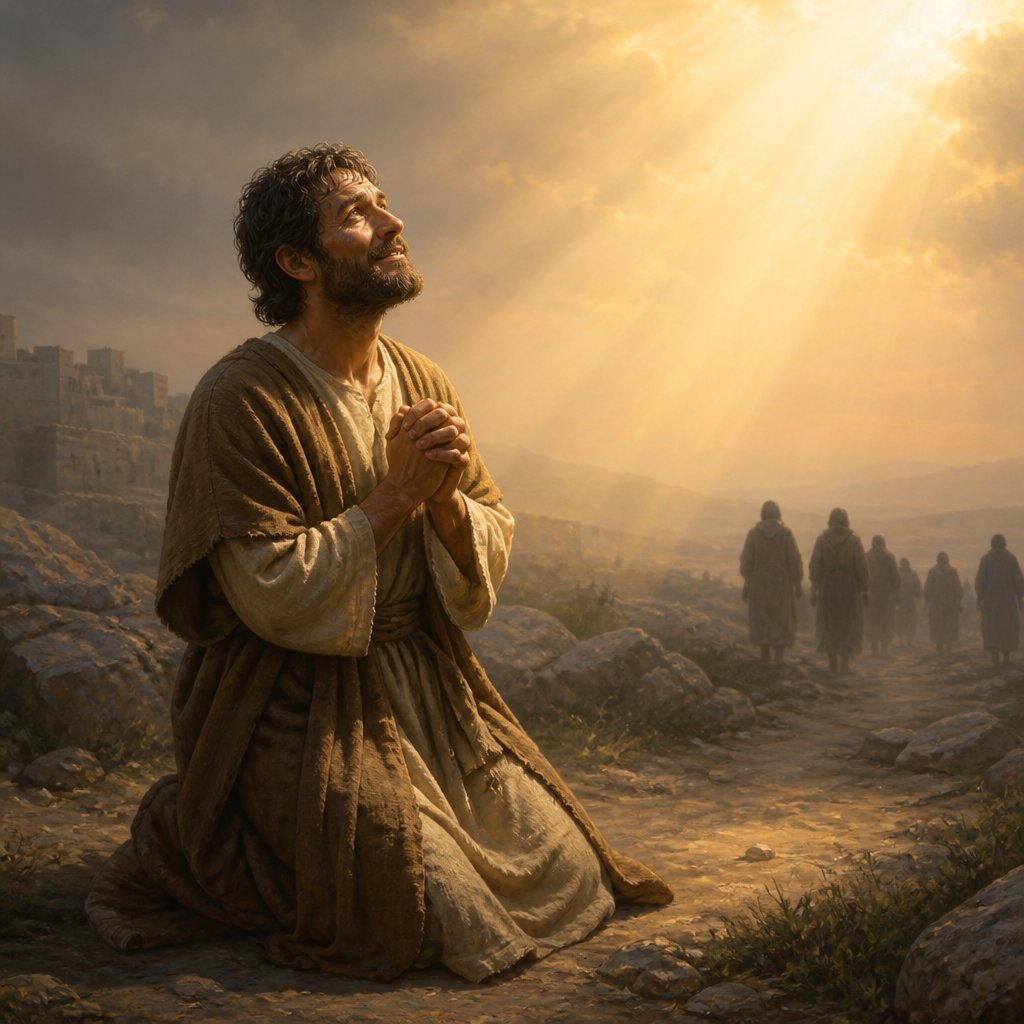
Jeremiah 20:13 proclaims, "Sing unto the LORD, praise ye the LORD: for he hath delivered the soul of the poor from the hand of evildoers." This verse encapsulates a profound truth about the nature of God—He is a deliverer, a protector, and a source of hope for those who find themselves in the depths of despair. In this devotional, we will reflect on this powerful scripture and its implications for our lives.
**The Context of Jeremiah's Burden**
First, we must understand the context of Jeremiah's prophetic ministry. The prophet wasn't merely a figure of speech; he endured profound trials. He faced ridicule, persecution, and the anguish of watching his people turn away from God. In the verses preceding this, Jeremiah expresses deep sorrow and conflict within himself due to the mocking and abandonment he faced while delivering God's message. Enshrined within his lament is a crucial pivot towards hope and praise.
**The Call to Sing**
In his distress, Jeremiah calls upon himself and others to sing unto the Lord and to praise Him. This call, though seemingly counterintuitive in the midst of suffering, reveals the core of biblical praise: not just a reaction to circumstances, but a stance of trust in God's character and His previous deliverances.
Jeremiah's directive to praise, even in times of hardship, serves as a powerful reminder for us today. It illustrates the act of worship as a deliberate choice—an exercise in faith rather than a passive response to our feelings. Singing before the Lord, especially when we are in the deep valleys of life, serves to align our hearts and minds with the truth of God's faithfulness. The act of opening our mouths in praise can loosen the chains of despair and bring joy anew.
**Reflecting on Deliverance**
The verse also emphasizes the reason for praise: "for he hath delivered the soul of the poor from the hand of evildoers." Here, Jeremiah points to a specific act of deliverance. God is depicted as a rescuer, particularly for those who are vulnerable and oppressed. The imagery of "the poor" encapsulates not merely financial poverty but encompasses spiritual, emotional, and existential poverty. It is the state of being in need, where we often feel surrounded by those who wish us harm—be it through injustice, oppression, or betrayal.
In the context of our lives, how often do we find ourselves in situations where we feel helpless against the powers of darkness that want to claim us? In these very moments, Jeremiah urges us to remember that God sees us, hears us, and as a faithful Deliverer, He intervenes on behalf of those who seek Him.
**Personal Reflection and Application**
As we meditate on this scripture, consider what it means to proclaim God’s faithfulness in your life. Reflect on times when you felt like the poor or oppressed—how did God's deliverance manifest? Did He grant you patience in trials, a supportive friend, or perhaps a miraculous intervention? Make a list of instances where you have witnessed God's hand at work.
Will you join in the call to praise Him for every deliverance, big or small? As we recognize His saving grace in our lives, our worship can become a powerful testimony to others struggling in their pain.
**Closing Thoughts**
In the face of adversity, let us remember to sing unto the Lord. Let praise rise from our hearts, not only when times are good, but especially when we face trials that threaten to overwhelm us. In doing so, we declare that our God is greater than our circumstances, and we invite others to join in this anthem of celebration for the God who delivers. Let every song echo the grace of our Deliverer.
In closing, may we all carry Jeremiah's encouraging message as a beacon of hope and resilience, and may our lives be a continual song of gratitude for the God who rescues and redeems.
Want to reflect more on Jeremiah 20:13?
Continue your spiritual journey with Bible Chat — an AI-powered tool for exploring God's Word through conversation. Ask questions, discover connections, and deepen your understanding.
Get Our Apps


Jeremiah 20:13 Artwork

Jeremiah 20:13 - "Sing unto the LORD, praise ye the LORD: for he hath delivered the soul of the poor from the hand of evildoers."
"Sing unto the LORD, praise ye the LORD: for he hath delivered the soul of the poor from the hand of evildoers." - Jeremiah 20:13

Jeremiah 13:20 - "Lift up your eyes, and behold them that come from the north: where is the flock that was given thee, thy beautiful flock?"

Jeremiah 20:4

Jeremiah 38:13 - "So they drew up Jeremiah with cords, and took him up out of the dungeon: and Jeremiah remained in the court of the prison."

Jeremiah 29:11-13

Jeremiah 29:11-13

Jeremiah 29:11-13

Jeremiah 29:11-13

Jeremiah 13:23
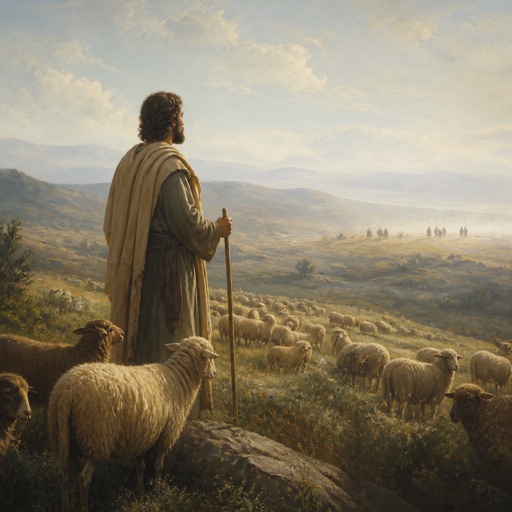
"Lift up your eyes, and behold them that come from the north: where is the flock that was given thee, thy beautiful flock?" - Jeremiah 13:20

Jeremiah 20:2 - "Then Pashur smote Jeremiah the prophet, and put him in the stocks that were in the high gate of Benjamin, which was by the house of the LORD."

Jeremiah 20:3 - "And it came to pass on the morrow, that Pashur brought forth Jeremiah out of the stocks. Then said Jeremiah unto him, The LORD hath not called thy name Pashur, but Magor-missabib."

Luke 13:20-21

Luke 13:20-21
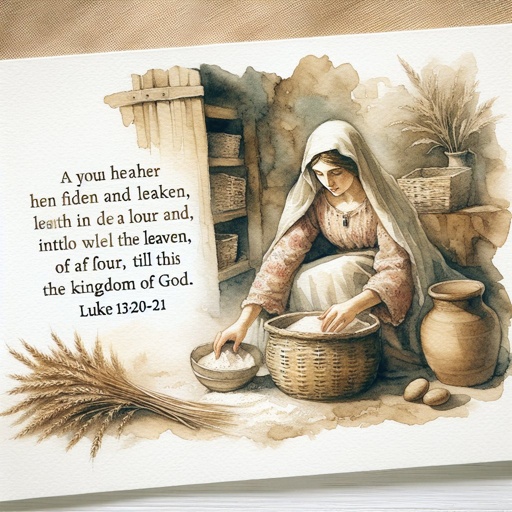
Luke 13:20-21

Luke 13:20-21

Luke 13:20-21

Jeremiah 20:1 - "Now Pashur the son of Immer the priest, who was also chief governor in the house of the LORD, heard that Jeremiah prophesied these things."

Jeremiah 44:20 - "¶ Then Jeremiah said unto all the people, to the men, and to the women, and to all the people which had given him that answer, saying,"

Jeremiah 5:20 - "Declare this in the house of Jacob, and publish it in Judah, saying,"

Jeremiah 8:20 - "The harvest is past, the summer is ended, and we are not saved."

hebrew 13:20

Genesis 20-13

Jeremiah 38:1–13

Jeremiah 16:20 - "Shall a man make gods unto himself, and they are no gods?"

Jeremiah 46:13 - "¶ The word that the LORD spake to Jeremiah the prophet, how Nebuchadrezzar king of Babylon should come and smite the land of Egypt."

1 Chronicles 12:13 - "Jeremiah the tenth, Machbanai the eleventh."

Exodus 20:13 - "Thou shalt not kill."

matthew 5 13-20