Shattered Vessels: A Lesson in Remembrance
"Then shalt thou break the bottle in the sight of the men that go with thee," - Jeremiah 19:10
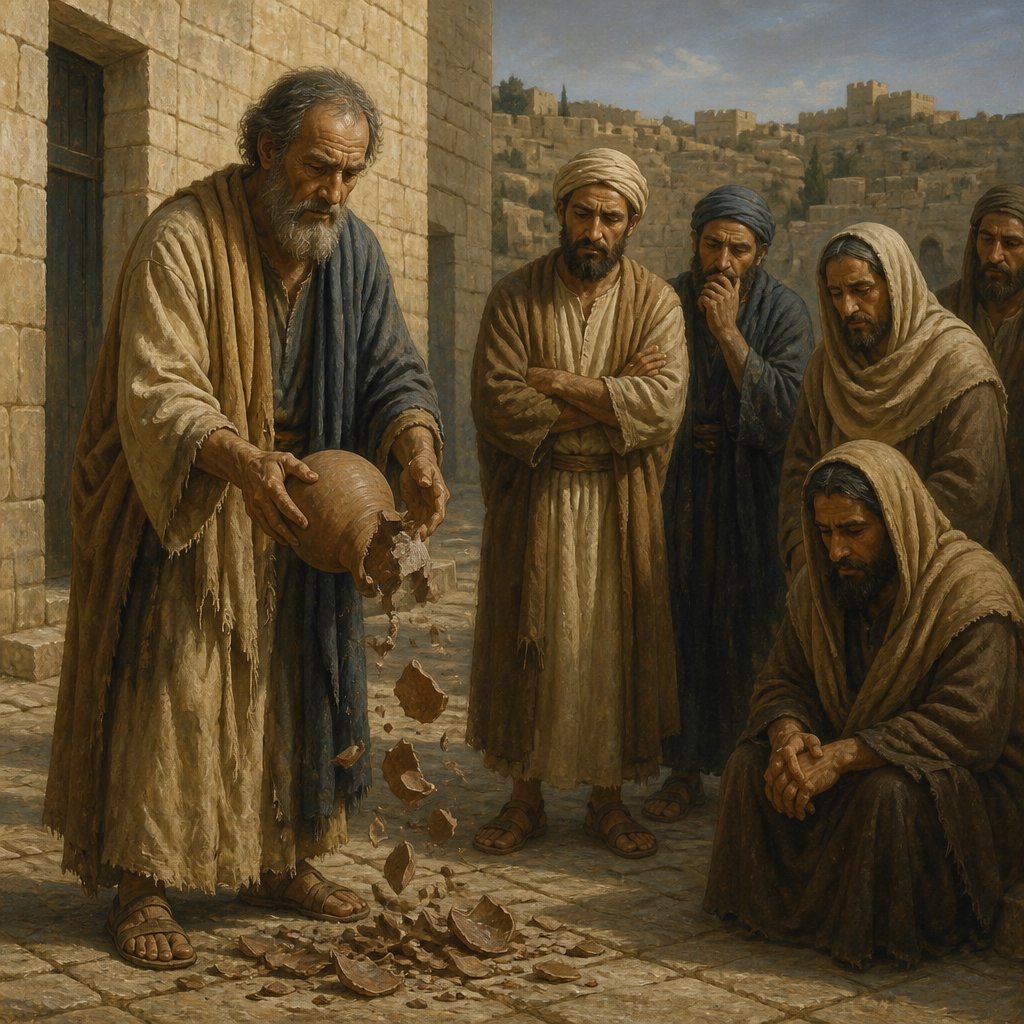
In the Book of Jeremiah, we are confronted with a powerful metaphor that transcends time and resonates deeply with the human experience. Jeremiah 19:10 states, "Then shalt thou break the bottle in the sight of the men that go with thee." This verse encapsulates a moment of divine instruction, where God prompts the prophet to perform a symbolic act—breaking a bottle—to convey a profound truth about judgment, human fragility, and the call to repentance.
The context of this command is crucial. Jeremiah was living in a tumultuous time when the people of Judah had turned away from God, indulging in idolatry and immorality. God directed Jeremiah to go to the Valley of Hinnom, a place associated with scandalous worship practices, including the sacrifice of children to false gods. In this context, breaking the bottle would not simply serve as a spectacle but would signify the impending judgment that would come upon Jerusalem for its transgressions.
As we reflect on this act, we must consider what the bottle represents. It is a vessel, delicate and easily broken, much like our lives. Our plans, aspirations, and even our faith can sometimes feel as fragile as glass. Yet, when God asks Jeremiah to break the bottle, it signifies not just the fragility of humanity but also the shattering of the unfaithfulness that had engulfed the nation. God is declaring that what has been built on the foundations of rebellion will not stand. The destruction of the bottle illustrates the consequences of a broken covenant with Him.
In a world that often values self-sufficiency, we may find ourselves similarly hardened like that bottle—trusting in our own strength, routines, and comforts. But just as the prophet was directed to break the bottle in view of his companions, God often uses circumstances to reveal the vulnerability of our human condition. It is in these moments that we are called to remember: our lives are not our own, and when we build them devoid of His guidance, we risk a fracture that can lead to utter ruin.
The breaking of the bottle also presents an opportunity for renewal. When things break in our lives—whether through failed relationships, shattered dreams, or personal failures—there is an invitation to reassess our foundations. Are we willing to confront the brokenness and turn back to God? Just as the bottle could no longer hold water after being shattered, we too become incapable of holding onto hope when we distance ourselves from the source of true life. However, God, in His mercy, offers us a chance to be rebuilt.
Consider this: when something breaks, we have the chance to gather the pieces. In the aftermath of shattering experiences, God invites us to clothe ourselves not with shame but with healing, forgiveness, and restoration. He desires to bind our wounds and teach us how to rely on Him fully. The act of breaking signifies loss, yet it simultaneously opens the door to new beginnings if we lean into His grace.
Thus, as we journey through our own valleys of Hinnom, let us be mindful of the places in our lives where we may have inadvertently set up idols—whether they be desires for success, acceptance, or earthly security. May we have the courage to lay those down and allow God to break the vessels of pride and self-reliance within us. For only in surrendering our brokenness to Him can we experience the fullness of His love and the restoration that He offers.
In conclusion, while Jeremiah was commanded to break the bottle as a sign of coming judgment, we are reminded that from brokenness comes the potential for profound transformation. Let us allow our fractures to lead us back to the Creator, who is always ready to mend what has been shattered and fill us anew with His spirit. Let us not shy away from the breaking, knowing that it paves the way for God’s greater purpose in our lives.
Want to reflect more on Jeremiah 19:10?
Continue your spiritual journey with Bible Chat — an AI-powered tool for exploring God's Word through conversation. Ask questions, discover connections, and deepen your understanding.
Get Our Apps


Jeremiah 19:10 Artwork

Jeremiah 19:10 - "Then shalt thou break the bottle in the sight of the men that go with thee,"
"Then shalt thou break the bottle in the sight of the men that go with thee," - Jeremiah 19:10

Jeremiah 10:19 - "¶ Woe is me for my hurt! my wound is grievous: but I said, Truly this is a grief, and I must bear it."

Jeremiah 33:19 - "¶ And the word of the LORD came unto Jeremiah, saying,"
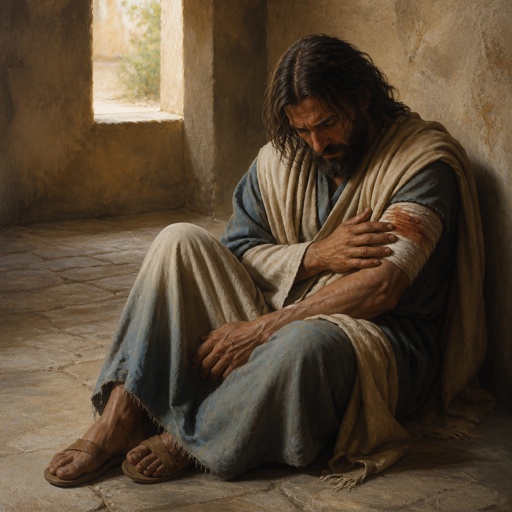
"¶ Woe is me for my hurt! my wound is grievous: but I said, Truly this is a grief, and I must bear it." - Jeremiah 10:19

Jeremiah 36:19 - "Then said the princes unto Baruch, Go, hide thee, thou and Jeremiah; and let no man know where ye be."

"¶ And the word of the LORD came unto Jeremiah, saying," - Jeremiah 33:19

Jeremiah 10:5

Luke 10:18-19

Luke 10:18-19

Luke 10:18-19

Luke 10:17-19

Jeremiah 38:19 - "And Zedekiah the king said unto Jeremiah, I am afraid of the Jews that are fallen to the Chaldeans, lest they deliver me into their hand, and they mock me."

Luke 10:18-19

Luke 10:18-19

Luke 10:18-19

Luke 10:17-19

Jeremiah 19:14 - "Then came Jeremiah from Tophet, whither the LORD had sent him to prophesy; and he stood in the court of the LORD'S house; and said to all the people,"

Jeremiah 1: 1-10

Nehemiah 10:2 - "Seraiah, Azariah, Jeremiah,"

Luke 19:10

Genesis 19-10

1 Chronicles 12:10 - "Mishmannah the fourth, Jeremiah the fifth,"

Jeremiah 18:19 - "Give heed to me, O LORD, and hearken to the voice of them that contend with me."

Nehemiah 10:19 - "Hariph, Anathoth, Nebai,"

Jeremiah 25:19 - "Pharaoh king of Egypt, and his servants, and his princes, and all his people;"

Luke 19:1-10

Jeremiah 10:8 - "But they are altogether brutish and foolish: the stock is a doctrine of vanities."

Luke 10:18-19

Luke 19:1-10