Understanding Our Iniquity: A Closer Look at God's Disciplinary Love
"¶ And it shall come to pass, when thou shalt shew this people all these words, and they shall say unto thee, Wherefore hath the LORD pronounced all this great evil against us? or what is our iniquity? or what is our sin that we have committed against the LORD our God?" - Jeremiah 16:10
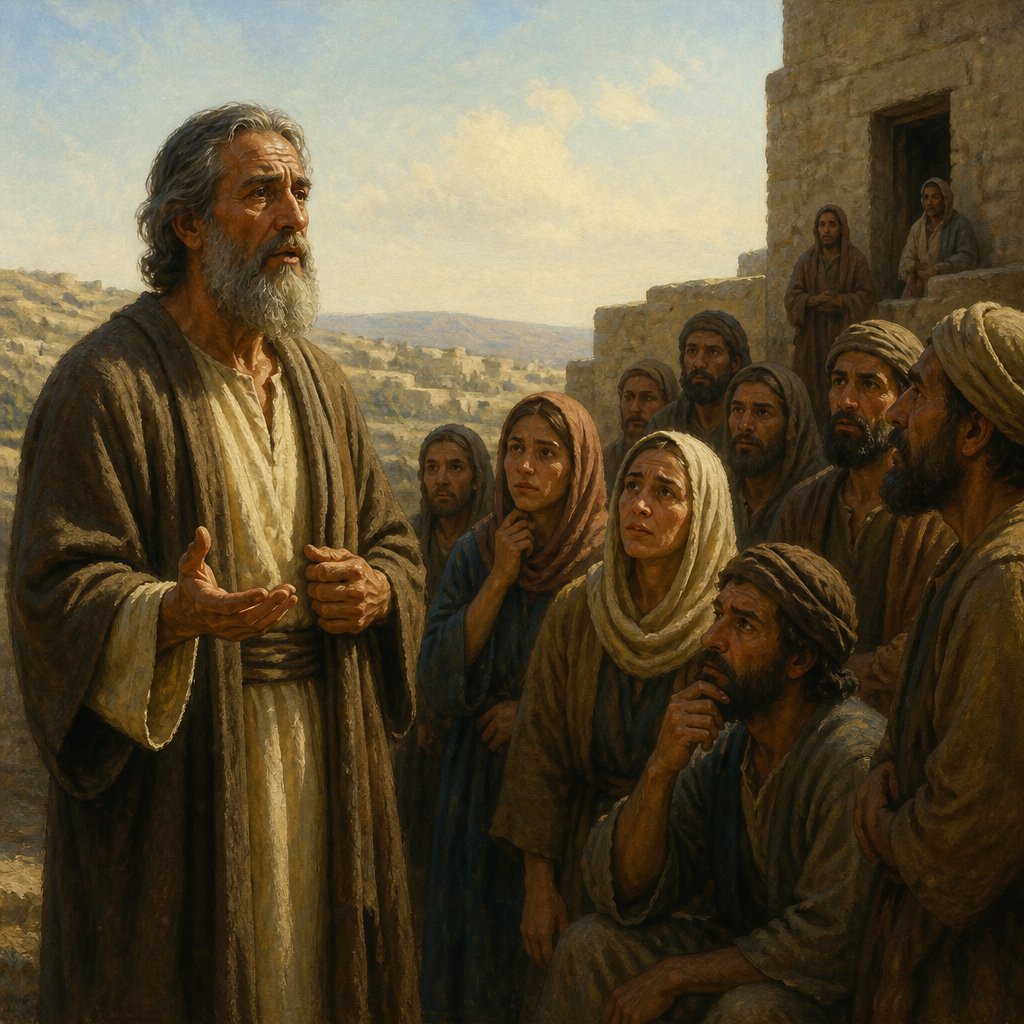
The verse Jeremiah 16:10 tells us a story of profound inquiry and reflection. "And it shall come to pass, when thou shalt shew this people all these words, and they shall say unto thee, Wherefore hath the LORD pronounced all this great evil against us? or what is our iniquity? or what is our sin that we have committed against the LORD our God?" As we delve into this text, we find ourselves confronted by several key themes: responsibility, the nature of sin, and God's desire for restoration.
The setting of this verse is critical. Jeremiah is a prophet known for his heartbreaking task of delivering God’s messages to a rebellious people. The context is essential; the Israelites had repeatedly turned away from God, indulging in various sins that were both egregious and deeply ingrained within their culture. In this verse, the people question the very nature of their situation when faced with divine judgment. "Wherefore hath the LORD pronounced all this great evil against us?" shows their confusion, a natural response when faced with calamity. They are seeking understanding about why they are suffering and what they have done to provoke this response from God.
This moment is not merely about uncovering the past sins of the Israelites; rather, it highlights a critical aspect of the human condition: the tendency to evade responsibility for our actions. Often, when calamity strikes—whether personally or communally—we find ourselves aghast and questioning how our lives have culminated in such suffering. Our immediate impulse is to externalize the blame, pointing fingers at circumstances, people, and even God, instead of soul-searching to identify our own iniquities. This tendency is not unique to the Israelites; it is a universal human response.
God's call to Jeremiah to reveal the reasons behind His judgment comes from a heart of compassion. Yes, the message is severe, but it is also a redemptive call. God uses confrontation as a means to bring His people back to the fold—back into alignment with His will. The questioning in this passage invites us into a space of reflection. It nudges us to ask ourselves about our individual and collective choices, encouraging profound introspection rather than superficial blame.
As we embark on this journey of self-examination, we must first recognize the gravity of sin. Sin is not merely the act of wrongdoing; it is systemic and often relational. The deeper question that lies behind the surface is what brokenness in our relationship with God and one another has led us to this point? The nature of sin is like a web—interwoven with pride, idolatry, and the lack of love towards God and our neighbors. Instead of solely looking for what we have done wrong, we must also ask why we feel compelled to stray from God's path in the first place.
The encouragement here is God’s perpetual invitation to come back to Him. The tumultuous experiences of life often serve as a wake-up call—a moment of clarity amid confusion. In the case of Israel, disaster was a pathway back to faithfulness, a chance for them to grapple with their iniquities, and reassess their relationship with God. For us today, our struggles can serve as opportunities to re-examine our lives—identifying pride, habitual sin, and areas where we’ve strayed, ultimately leading us to repentance and restoration.
In closing, when we are faced with difficulties and disaster, like the people of Israel, let us not simply ask, ‘What have we done wrong?’ but rather, let us also seek to understand ourselves in the light of God’s love and truth. May we look inwards, confront our sinful nature, and embrace God’s redemptive plan, trusting that His call is always to return to Him—offering grace, restoration, and a renewed spirit. Amen.
Want to reflect more on Jeremiah 16:10?
Continue your spiritual journey with Bible Chat — an AI-powered tool for exploring God's Word through conversation. Ask questions, discover connections, and deepen your understanding.
Get Our Apps


Jeremiah 16:10 Artwork

Jeremiah 16:10 - "¶ And it shall come to pass, when thou shalt shew this people all these words, and they shall say unto thee, Wherefore hath the LORD pronounced all this great evil against us? or what is our iniquity? or what is our sin that we have committed against the LORD our God?"
"¶ And it shall come to pass, when thou shalt shew this people all these words, and they shall say unto thee, Wherefore hath the LORD pronounced all this great evil against us? or what is our iniquity? or what is our sin that we have committed against the LORD our God?" - Jeremiah 16:10

Jeremiah 10:16 - "The portion of Jacob is not like them: for he is the former of all things; and Israel is the rod of his inheritance: The LORD of hosts is his name."

Jeremiah 37:16 - "¶ When Jeremiah was entered into the dungeon, and into the cabins, and Jeremiah had remained there many days;"

Jeremiah 52:16

Jeremiah 10:5

"The portion of Jacob is not like them: for he is the former of all things; and Israel is the rod of his inheritance: The LORD of hosts is his name." - Jeremiah 10:16

"¶ When Jeremiah was entered into the dungeon, and into the cabins, and Jeremiah had remained there many days;" - Jeremiah 37:16

Jeremiah 1: 1-10

Nehemiah 10:2 - "Seraiah, Azariah, Jeremiah,"

Jeremiah 5:16 - "Their quiver is as an open sepulchre, they are all mighty men."
Jeremiah 16:1 - "The word of the LORD came also unto me, saying,"

Jeremiah 16:20 - "Shall a man make gods unto himself, and they are no gods?"

Jeremiah 48:16 - "The calamity of Moab is near to come, and his affliction hasteth fast."

1 Chronicles 12:10 - "Mishmannah the fourth, Jeremiah the fifth,"

Genesis 16:10

Jeremiah 10:8 - "But they are altogether brutish and foolish: the stock is a doctrine of vanities."

Jeremiah 2:16 - "Also the children of Noph and Tahapanes have broken the crown of thy head."

Jeremiah 28:10 - "Then Hananiah the prophet took the yoke from off the prophet Jeremiah's neck, and brake it."

Nehemiah 10:16 - "Adonijah, Bigvai, Adin,"

Genesis 10:16 - "And the Jebusite, and the Amorite, and the Girgasite,"

Jeremiah 16:8 - "Thou shalt not also go into the house of feasting, to sit with them to eat and to drink."

Jeremiah 10:15 - "They are vanity, and the work of errors: in the time of their visitation they shall perish."

Jeremiah 10:4 - "They deck it with silver and with gold; they fasten it with nails and with hammers, that it move not."

Jeremiah 25:16 - "And they shall drink, and be moved, and be mad, because of the sword that I will send among them."

Jeremiah 52:16 - "But Nebuzar-adan the captain of the guard left certain of the poor of the land for vinedressers and for husbandmen."

Psalm 10:16-18
"Seraiah, Azariah, Jeremiah," - Nehemiah 10:2

leviticus 16:7-10

Mark 10:13–16