The Weight of Covenant: Obedience and Its Consequences
"And say thou unto them, Thus saith the LORD God of Israel; Cursed be the man that obeyeth not the words of this covenant," - Jeremiah 11:3
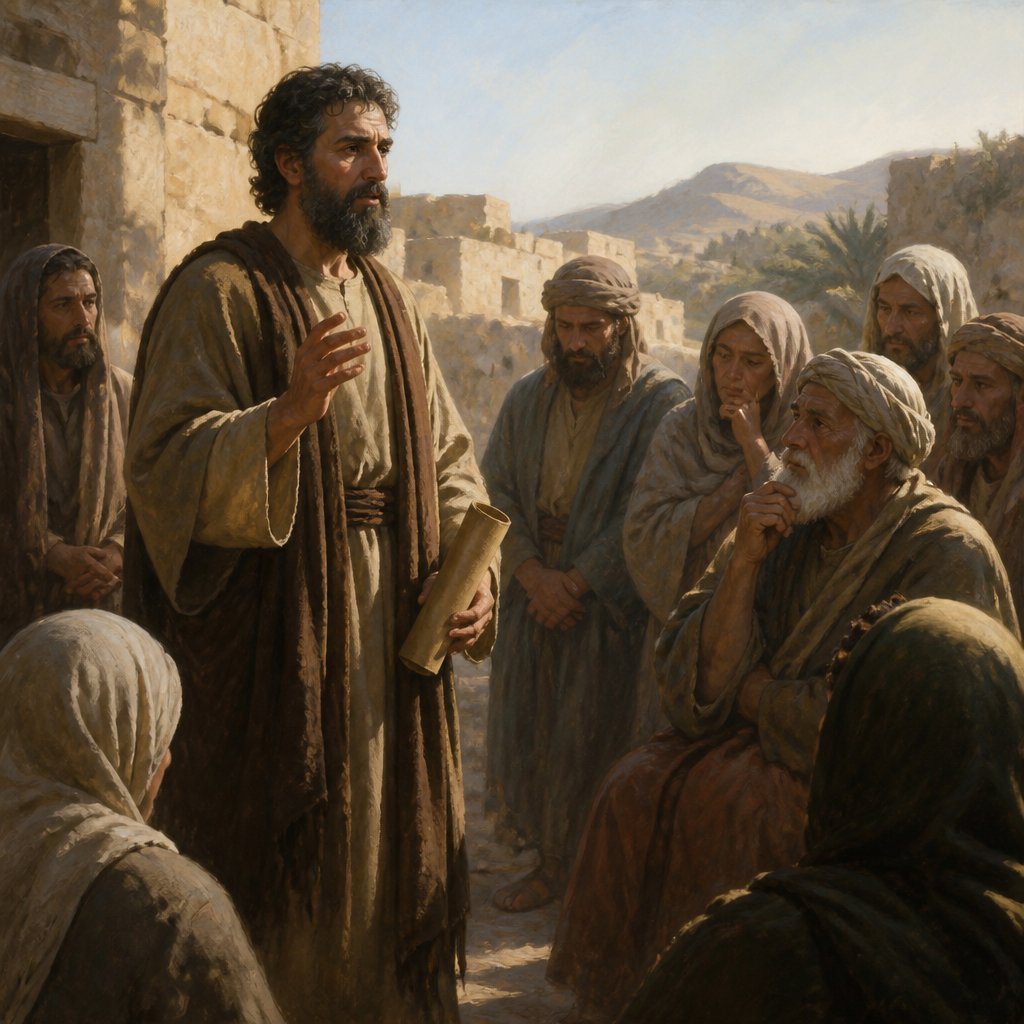
In the richness of the biblical narrative, the concept of covenant often surfaces as a crucial theme in understanding God's relationship with His people. Jeremiah 11:3 succinctly states, "And say thou unto them, Thus saith the LORD God of Israel; Cursed be the man that obeyeth not the words of this covenant" (KJV). This verse invites us to meditate on the gravity of God's covenant and the dire consequences of disobedience.
To dwell on this verse, one must first recognize the broader context in which it was spoken. Jeremiah, the prophet known for his call to repentance among the people of Judah, was tasked with conveying messages of both warning and hope. At a time when the Israelites had drifted away from God, indulging in idolatry and injustice, the Lord called Jeremiah to remind the people of the covenant made at Sinai—an agreement that outlined blessings for obedience and curses for disobedience.
In this proclamation, God emphasizes a pivotal truth: covenant life is rooted in obedience. Unlike a mere contractual agreement, a covenant is deeply relational and demands fidelity. It is grounded in love and commitment. The ancient Israelites had been chosen as a people in a covenant relationship with God, called to represent Him and to reflect His glory to the surrounding nations. Yet, the stark warning, "Cursed be the man that obeyeth not the words of this covenant," elevates the importance of listening to and following God's word.
When pondering what it means to disobey the covenant, we must look beyond merely following rules. Disobedience signifies a heart posture that chooses self over submission to God’s will. It reflects a disregard for His commandments and a neglected relationship with the Creator. In essence, it can be seen as a rejection of God's authority and His loving guidance. Those who turn away from His words place themselves outside the protective boundaries established by God's covenant, opening up their lives to spiritual and, potentially, physical peril.
Moreover, the curse mentioned in Jeremiah is not merely a penalty; it also serves as a warning of the natural consequences of sin. Disobedience draws us away from the source of life, which is God, leading to disarray and turmoil in both individual lives and communal settings. The curse is the result of severing the bond of covenant, the abandonment of the safety found within it.
As we reflect on this weighty message, it is essential to grasp the nature of God as loving but just. His desire is not to curse but to bless us. The covenant established through Jesus Christ invites us into a new relationship—one secured by grace. Yet, this grace does not nullify the call for obedience. As Paul states in Romans 6:1-2, "What shall we say then? Shall we continue in sin, that grace may abound? God forbid!" The New Covenant requires a response of faith that manifests in obedience, a costly yet liberating commitment.
So how do we live out our part of this covenant relationship today? Chiefly, through the daily practice of surrendering our will and desires to God. We can draw close to Him through prayer, scripture reading, and fellowship within the body of Christ. By doing so, we equip ourselves to hear His voice and follow His leading, aligning ourselves with His heart.
In closing, let us heed the words of Jeremiah. Let the weight of obedience rest upon us, not as a burdensome yoke, but as a joy-filled response to the One who loves us. Remember this: the blessings of covenant obedience aren’t merely transactional; they are relational, enhancing our knowledge of God and deepening our faith. May we strive to be those who honor His word and walk closely with our Lord, embracing the covenant life He has graciously offered.
Want to reflect more on Jeremiah 11:3?
Continue your spiritual journey with Bible Chat — an AI-powered tool for exploring God's Word through conversation. Ask questions, discover connections, and deepen your understanding.
Get Our Apps


Jeremiah 11:3 Artwork

Jeremiah 11:3 - "And say thou unto them, Thus saith the LORD God of Israel; Cursed be the man that obeyeth not the words of this covenant,"
"And say thou unto them, Thus saith the LORD God of Israel; Cursed be the man that obeyeth not the words of this covenant," - Jeremiah 11:3

Jeremiah 3:11 - "And the LORD said unto me, The backsliding Israel hath justified herself more than treacherous Judah."

Jeremiah 11:1 - "The word that came to Jeremiah from the LORD, saying,"

Jeremiah 29:11-13

Jeremiah 29:11-13

"And the LORD said unto me, The backsliding Israel hath justified herself more than treacherous Judah." - Jeremiah 3:11

Jeremiah 29:11-13

Jeremiah 29:11-13

Jeremiah 29:11

Jeremiah 29:11

Jeremiah 29:11

Jeremiah 29:11

Jeremiah 39:11 - "¶ Now Nebuchadrezzar king of Babylon gave charge concerning Jeremiah to Nebuzar-adan the captain of the guard, saying,"

Jeremiah 33:2-11

Jeremiah 33:2-11

Jeremiah 21:3 - "¶ Then said Jeremiah unto them, Thus shall ye say to Zedekiah:"

"The word that came to Jeremiah from the LORD, saying," - Jeremiah 11:1

Jeremiah 3:2

Jeremiah 33:3

Jeremiah 33:3

Jeremiah 3:1

Jeremiah 3:49

Jeremiah 29:11 sticker elements

Jeremiah 1:11 - "¶ Moreover the word of the LORD came unto me, saying, Jeremiah, what seest thou? And I said, I see a rod of an almond tree."

Jeremiah 20:3 - "And it came to pass on the morrow, that Pashur brought forth Jeremiah out of the stocks. Then said Jeremiah unto him, The LORD hath not called thy name Pashur, but Magor-missabib."

Jeremiah 14:11 - "Then said the LORD unto me, Pray not for this people for their good."

Jeremiah 35:3 - "Then I took Jaazaniah the son of Jeremiah, the son of Habaziniah, and his brethren, and all his sons, and the whole house of the Rechabites;"

Matthew 3:11

Matthew 3:11