Bearing the Burden of Grief: A Journey of Faith
"¶ Woe is me for my hurt! my wound is grievous: but I said, Truly this is a grief, and I must bear it." - Jeremiah 10:19
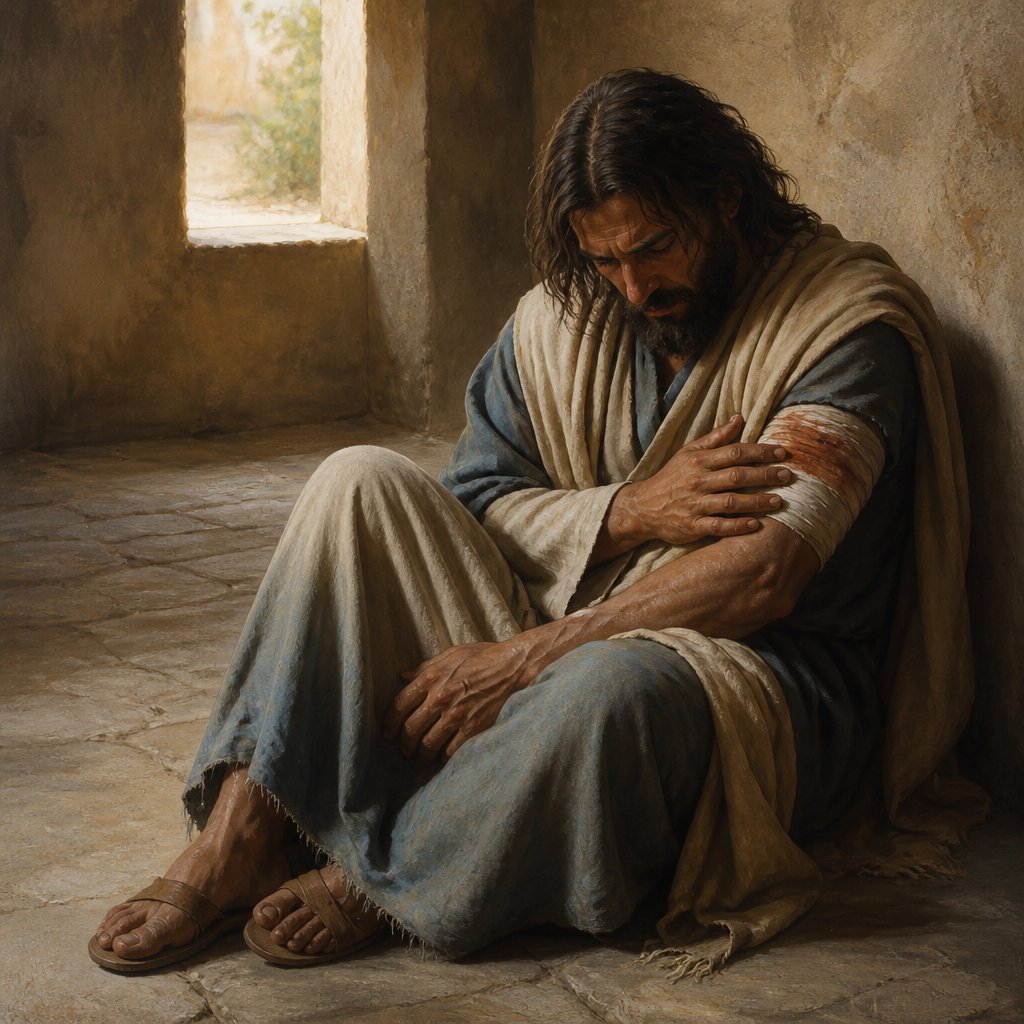
In the profound words of Jeremiah 10:19 (KJV), "Woe is me for my hurt! my wound is grievous: but I said, Truly this is a grief, and I must bear it.” This heart-rending verse encapsulates the realities of pain, loss, and the necessity of embracing our struggles, even when they feel insurmountable.
Jeremiah, often called the "weeping prophet," was a man acquainted with sorrow, faithfully serving God during a time of immense turmoil for the nation of Judah. He watched as his beloved city Jerusalem faced the consequences of its sin, witnessing the suffering and anguish of his people. Yet, in this particular verse, Jeremiah speaks not just of the collective grief of his nation but also of his own deep personal suffering. His acknowledgment of his grievous wound serves as a poignant reminder that while serving God, we can still experience profound pain.
The phrase "Woe is me for my hurt!" reveals a raw vulnerability. It is a universal feeling we can all relate to—the moment when the weight of sorrow becomes too heavy to bear. Feelings of despair often accompany times of grief, and it’s vital to express our pain openly. It’s easy to fall into the trap of masking our hurt with a brave face, but there is a potent release in acknowledging our pain. Jeremiah does not shy away from his emotions; he confronts them head-on.
Moreover, the anguish in his cry "my wound is grievous" allows us to recognize that it is acceptable to acknowledge the depth of our wounds. The acknowledgment of what hurts—whether it be the loss of a loved one, a betrayal, illness, or a crushed dream—begins the healing process. By naming our pain, we shine a light upon it and move from a position of silence into one of understanding and potential healing.
However, Jeremiah does not dwell in despair. In the latter part of the verse, he declares, "but I said, Truly this is a grief, and I must bear it." Here we find a crucial aspect of the Christian faith: the act of bearing our grief. Grief, though painful, is a natural part of our earthly existence. Jeremiah's response exemplifies surrender and acceptance. He recognizes that this burden is his to carry, and instead of fighting against it, he chooses to confront it.
As followers of Christ, we are called to live in the tensions of joy and sorrow, faith and doubt. Jesus Himself experienced deep sorrow; He wept at the tomb of His friend Lazarus (John 11:35), showing us that grief is not a sign of weakness, but a profoundly human experience. Jeremiah’s resolve to bear his grief reminds us that pain often leads us to a deeper reliance on God. In acknowledging our weaknesses, we become more aware of God’s strength and grace.
When we encounter our 'grievous wounds,' it is easy to lose hope. Yet, we must remember that we are never alone in our suffering. Hebrews 4:15 tells us that we have a High Priest who can sympathize with our weaknesses. In our darkest hours, we can lean into our faith, seeking the presence of God amidst our pain. Finding solace in prayer, scripture, and the company of fellow believers can provide not only support but also a divine perspective on our circumstances.
Today, let us take a moment to reflect on our wounds, big or small, and bring them before God. Acknowledge your pain, just as Jeremiah did, and allow yourself to bear the grief in faith. Trust that God understands deeply and walks alongside us in our suffering. As we learn to carry our wounds with grace, we also discover a profound truth: our scars can become testimonies of God’s restoring power, leading us to a place of healing and understanding that pain is but a passage to resilient faith.
Want to reflect more on Jeremiah 10:19?
Continue your spiritual journey with Bible Chat — an AI-powered tool for exploring God's Word through conversation. Ask questions, discover connections, and deepen your understanding.
Get Our Apps


Jeremiah 10:19 Artwork

Jeremiah 10:19 - "¶ Woe is me for my hurt! my wound is grievous: but I said, Truly this is a grief, and I must bear it."
"¶ Woe is me for my hurt! my wound is grievous: but I said, Truly this is a grief, and I must bear it." - Jeremiah 10:19

Jeremiah 19:10 - "Then shalt thou break the bottle in the sight of the men that go with thee,"
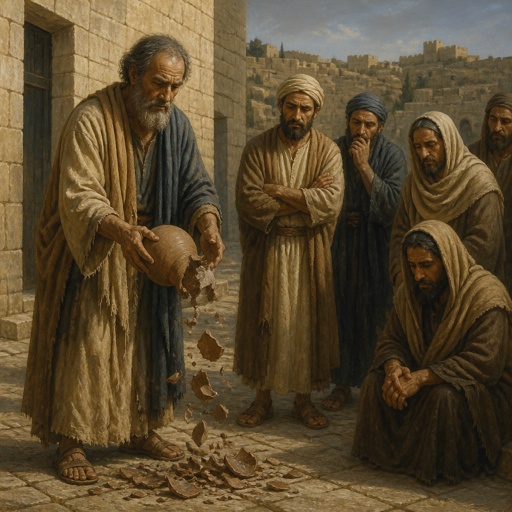
"Then shalt thou break the bottle in the sight of the men that go with thee," - Jeremiah 19:10

Jeremiah 33:19 - "¶ And the word of the LORD came unto Jeremiah, saying,"

Jeremiah 36:19 - "Then said the princes unto Baruch, Go, hide thee, thou and Jeremiah; and let no man know where ye be."

"¶ And the word of the LORD came unto Jeremiah, saying," - Jeremiah 33:19

Jeremiah 10:5

Luke 10:18-19

Luke 10:18-19

Luke 10:18-19

Luke 10:17-19

Jeremiah 38:19 - "And Zedekiah the king said unto Jeremiah, I am afraid of the Jews that are fallen to the Chaldeans, lest they deliver me into their hand, and they mock me."

Luke 10:18-19

Luke 10:18-19

Luke 10:18-19

Luke 10:17-19

Jeremiah 19:14 - "Then came Jeremiah from Tophet, whither the LORD had sent him to prophesy; and he stood in the court of the LORD'S house; and said to all the people,"

Jeremiah 1: 1-10

Nehemiah 10:2 - "Seraiah, Azariah, Jeremiah,"

Luke 19:10

Genesis 19-10

1 Chronicles 12:10 - "Mishmannah the fourth, Jeremiah the fifth,"

Jeremiah 18:19 - "Give heed to me, O LORD, and hearken to the voice of them that contend with me."

Nehemiah 10:19 - "Hariph, Anathoth, Nebai,"

Jeremiah 25:19 - "Pharaoh king of Egypt, and his servants, and his princes, and all his people;"

Luke 19:1-10

Jeremiah 10:8 - "But they are altogether brutish and foolish: the stock is a doctrine of vanities."

Luke 10:18-19

Luke 19:1-10