The Royal Law of Love: Judging Without Partiality
"My brethren, have not the faith of our Lord Jesus Christ, the Lord of glory, with respect of persons. For if there come unto your assembly a man with a gold ring, in goodly apparel, and there come in also a poor man in vile raiment; And ye have respect to him that weareth the gay clothing, and say unto him, Sit thou here in a good place; and say to the poor, Stand thou there, or sit here under my footstool: Are ye not then partial in yourselves, and are become judges of evil thoughts? Hearken, my beloved brethren, Hath not God chosen the poor of this world rich in faith, and heirs of the kingdom which he hath promised to them that love him? But ye have despised the poor. Do not rich men oppress you, and draw you before the judgment seats? Do not they blaspheme that worthy name by the which ye are called? If ye fulfil the royal law according to the scripture, Thou shalt love thy neighbour as thyself, ye do well: But if ye have respect to persons, ye commit sin, and are convinced of the law as transgressors. For whosoever shall keep the whole law, and yet offend in one point, he is guilty of all. For he that said, Do not commit adultery, said also, Do not kill. Now if thou commit no adultery, yet if thou kill, thou art become a transgressor of the law. So speak ye, and so do, as they that shall be judged by the law of liberty. For he shall have judgment without mercy, that hath shewed no mercy; and mercy rejoiceth against judgment." - James 2:1-13

As we ponder upon James 2:1-13, we are brought face to face with a critical aspect of our faith: the call for equality before God. The Apostle James begins with a warning against holding the faith of Jesus Christ "with respect of persons" (James 2:1 KJV). This admonition penetrates the heart of societal divides, urging believers to examine their attitudes towards others, especially concerning wealth and status.
In the scenario James presents, a sharp contrast emerges between a rich man adorned in fine clothing and a poor man clad in shabby rags. The ingrained human tendency to favor the wealthy is challenged by James, who draws attention to our instinct to judge based on appearances. He challenges us by asking if we are not then "partial in yourselves, and are become judges of evil thoughts" (James 2:4 KJV). This revelation is striking; it hints at how easy it is to let our biases govern our treatment of others, ultimately leading us away from God's intended path of love and acceptance.
James proceeds to remind us of God's perspective: "Hath not God chosen the poor of this world rich in faith, and heirs of the kingdom which he hath promised to them that love him?" (James 2:5 KJV). Here, we find the heart of the matter. God values the faithful who often reside outside the glittering façades of material wealth. The poor and marginalized, far from being overlooked, are, in fact, positioned beautifully in God's kingdom—rich in faith and destined for glory.
Yet, in our tendency to ignore the poor, we transgress a divine mandate. James drives home the consequences of favoritism, affirming that it is a sin akin to any other transgression against the law. He writes, "For whosoever shall keep the whole law, and yet offend in one point, he is guilty of all" (James 2:10 KJV). This notion is a powerful reminder that the law hinges on our treatment of others and that failing in one aspect—a lapse in love or respect—renders us guilty.
The crux of this scripture is not merely about discerning wealth versus poverty; it extends into the grander vision of how we embody the command to "love thy neighbour as thyself" (James 2:8 KJV). In fulfilling this royal law, we do well, but falling into partiality yields a different outcome: "But if ye have respect to persons, ye commit sin" (James 2:9 KJV). Such sin has far-reaching implications not only for the individual but, by extension, for the community of believers, impacting how the world perceives the righteousness of God’s kingdom.
As we reflect on our own lives, we are nudged to ask ourselves: Do we embody mercy? James prompts us to speak and act as those who will be judged by the "law of liberty" (James 2:12 KJV). The emphasis on mercy is profound—"For he shall have judgment without mercy, that hath shewed no mercy; and mercy rejoiceth against judgment" (James 2:13 KJV). As we merge our actions with our faith, we must extend grace not only to our peers but also to ourselves, allowing the mercy we receive from God to echo outward toward others.
Thus, this passage beckons us into an introspective journey. We are called to dismantle barriers of elitism and embrace the full spectrum of humanity with equal respect and dignity. We are reminded that our actions should reflect the love of Christ, who saw the intrinsic worth in every individual regardless of their societal standing. May we endeavor to live as conduits of this divine love, treating every person we encounter—rich, poor, or anywhere in between—with the grace and respect that mirrors our Creator’s heart.
Want to reflect more on James 2:1-13?
Continue your spiritual journey with Bible Chat — an AI-powered tool for exploring God's Word through conversation. Ask questions, discover connections, and deepen your understanding.
Get Our Apps


James 2:1-13 Artwork

James 2:1-13 - "My brethren, have not the faith of our Lord Jesus Christ, the Lord of glory, with respect of persons. For if there come unto your assembly a man with a gold ring, in goodly apparel, and there come in also a poor man in vile raiment; And ye have respect to him that weareth the gay clothing, and say unto him, Sit thou here in a good place; and say to the poor, Stand thou there, or sit here under my footstool: Are ye not then partial in yourselves, and are become judges of evil thoughts? Hearken, my beloved brethren, Hath not God chosen the poor of this world rich in faith, and heirs of the kingdom which he hath promised to them that love him? But ye have despised the poor. Do not rich men oppress you, and draw you before the judgment seats? Do not they blaspheme that worthy name by the which ye are called? If ye fulfil the royal law according to the scripture, Thou shalt love thy neighbour as thyself, ye do well: But if ye have respect to persons, ye commit sin, and are convinced of the law as transgressors. For whosoever shall keep the whole law, and yet offend in one point, he is guilty of all. For he that said, Do not commit adultery, said also, Do not kill. Now if thou commit no adultery, yet if thou kill, thou art become a transgressor of the law. So speak ye, and so do, as they that shall be judged by the law of liberty. For he shall have judgment without mercy, that hath shewed no mercy; and mercy rejoiceth against judgment."

"My brethren, have not the faith of our Lord Jesus Christ, the Lord of glory, with respect of persons. For if there come unto your assembly a man with a gold ring, in goodly apparel, and there come in also a poor man in vile raiment; And ye have respect to him that weareth the gay clothing, and say unto him, Sit thou here in a good place; and say to the poor, Stand thou there, or sit here under my footstool: Are ye not then partial in yourselves, and are become judges of evil thoughts? Hearken, my beloved brethren, Hath not God chosen the poor of this world rich in faith, and heirs of the kingdom which he hath promised to them that love him? But ye have despised the poor. Do not rich men oppress you, and draw you before the judgment seats? Do not they blaspheme that worthy name by the which ye are called? If ye fulfil the royal law according to the scripture, Thou shalt love thy neighbour as thyself, ye do well: But if ye have respect to persons, ye commit sin, and are convinced of the law as transgressors. For whosoever shall keep the whole law, and yet offend in one point, he is guilty of all. For he that said, Do not commit adultery, said also, Do not kill. Now if thou commit no adultery, yet if thou kill, thou art become a transgressor of the law. So speak ye, and so do, as they that shall be judged by the law of liberty. For he shall have judgment without mercy, that hath shewed no mercy; and mercy rejoiceth against judgment." - James 2:1-13

James 1:2-13

James 1:2-13

Acts 1:13 - "And when they were come in, they went up into an upper room, where abode both Peter, and James, and John, and Andrew, Philip, and Thomas, Bartholomew, and Matthew, James the son of Alphaeus, and Simon Zelotes, and Judas the brother of James."

James 2:2-4

James 1: 2-4

James 1:2-4

Habakkuk 2:1-3

James 2:13 - "For he shall have judgment without mercy, that hath shewed no mercy; and mercy rejoiceth against judgment."

James 2:1 - "My brethren, have not the faith of our Lord Jesus Christ, the Lord of glory, with respect of persons."

James 1:2 - "My brethren, count it all joy when ye fall into divers temptations;"

James 1:13 - "Let no man say when he is tempted, I am tempted of God: for God cannot be tempted with evil, neither tempteth he any man:"

James 1:1 - "James, a servant of God and of the Lord Jesus Christ, to the twelve tribes which are scattered abroad, greeting."
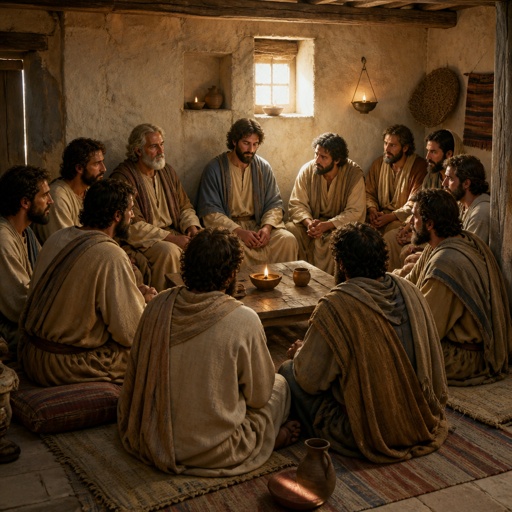
"And when they were come in, they went up into an upper room, where abode both Peter, and James, and John, and Andrew, Philip, and Thomas, Bartholomew, and Matthew, James the son of Alphaeus, and Simon Zelotes, and Judas the brother of James." - Acts 1:13
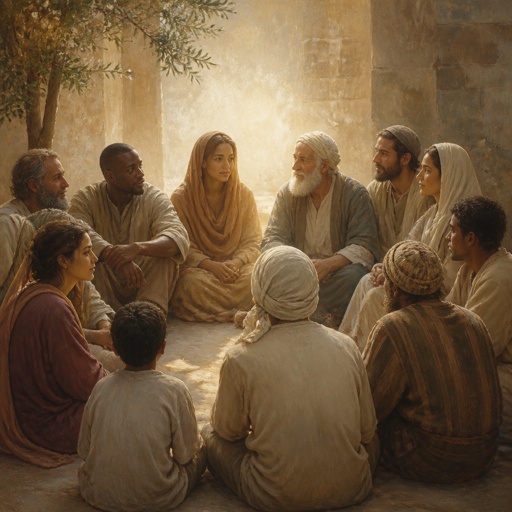
"My brethren, have not the faith of our Lord Jesus Christ, the Lord of glory, with respect of persons." - James 2:1

James
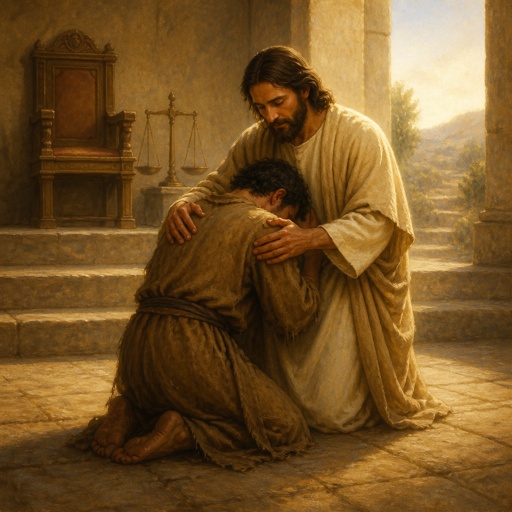
"For he shall have judgment without mercy, that hath shewed no mercy; and mercy rejoiceth against judgment." - James 2:13

james 2:26

Matthew 13:55 - "Is not this the carpenter's son? is not his mother called Mary? and his brethren, James, and Joses, and Simon, and Judas?"

Acts 15:13 - "¶ And after they had held their peace, James answered, saying, Men and brethren, hearken unto me:"

James 1:17-22

James 1:2-3 - "Consider it pure joy, my brothers and sisters, whenever you face trials of many kinds, because you know that the testing of your faith produces perseverance."

James 1:17

James 1:19

James 1:17

James 1:17

James 1:9

James 1:17

James 1:10