The Weight of the Tongue: True Religion Defined
"If any man among you seem to be religious, and bridleth not his tongue, but deceiveth his own heart, this man's religion is vain." - James 1:26
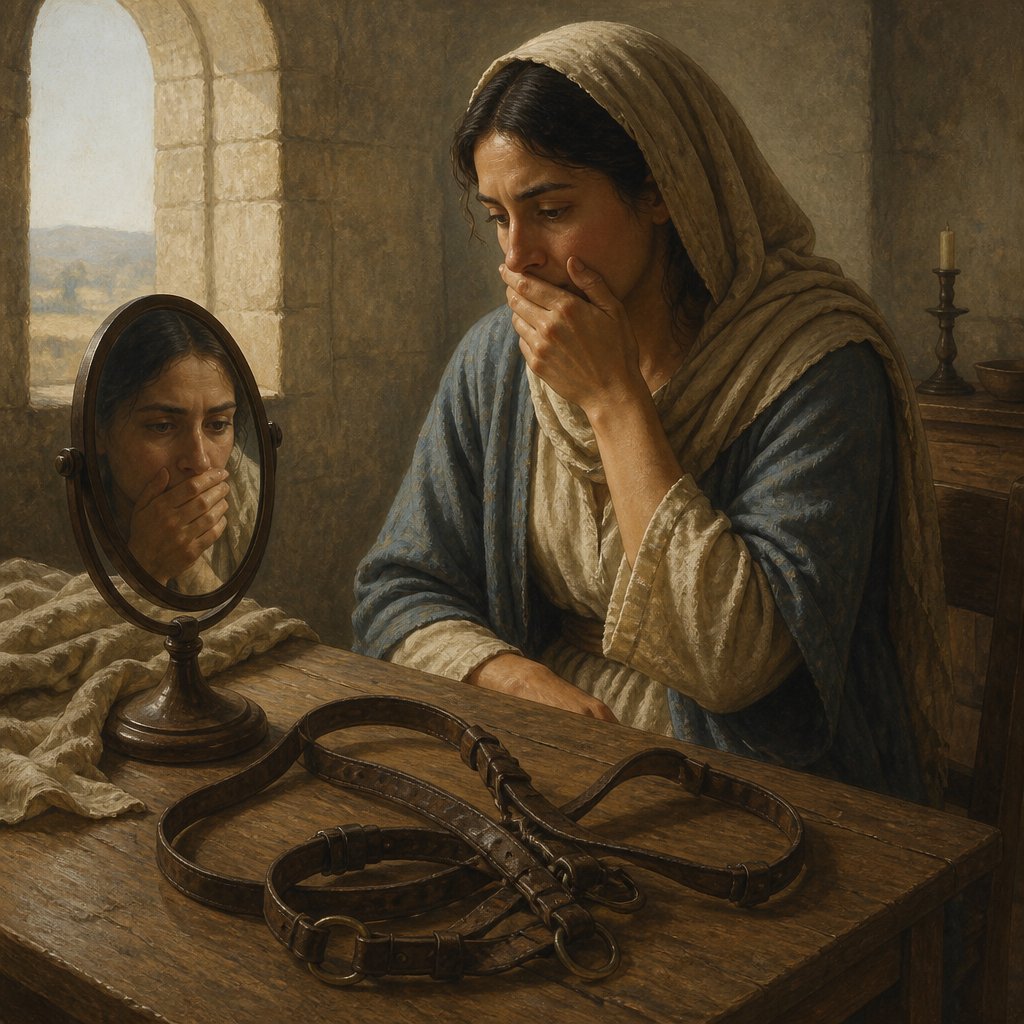
The book of James serves as a powerful guide for Christian living, prompting believers to reflect on the authenticity of their faith. In James 1:26, it asserts, "If any man among you seem to be religious, and bridleth not his tongue, but deceiveth his own heart, this man's religion is vain." This verse boldly confronts the heart of our spiritual walk, emphasizing that true religion is not merely about outward appearances or rituals, but rather an inward transformation that is evidenced by the way we speak.
At first glance, this verse may seem straightforward; after all, we understand that our words have power, as illustrated in Proverbs 18:21, which states, "Death and life are in the power of the tongue." However, the implications of James’ statement invite us into a deeper examination of our lives. The phrase "seem to be religious" points to the individual who wears the label of faith but fails to embody its essence.
As Christians, we can easily fall into the trap of religious pretense. We may attend church, participate in fellowship, and speak the right phrases, yet our hearts might be harboring bitter resentments or unwholesome attitudes. James makes it clear that if we cannot control our tongues, our religious practices are rendered useless. This calls into question the authenticity of our faith. Are we merely performing a routine, or are we genuinely living out the commands of Christ?
Bridling our tongue, as the scripture suggests, involves self-control and a consistent acknowledgment of the power our words wield. Our speech reflects what is truly inside us. As Jesus stated in Matthew 12:34, "Out of the abundance of the heart the mouth speaketh." Therefore, if our words are filled with negativity, gossip, slander, or malice, it reveals a heart in need of transformation.
Furthermore, James warns against self-deception: "but deceiveth his own heart." This acknowledgment of self-deception is crucial for self-awareness in our spiritual journey. It reminds us that we can be blind to our faults, convinced of our righteousness while failing to see the discord our words may unleash. We should evaluate our speech and its impact on others, asking ourselves—are our words building up or tearing down? Are we contributing to harmony within the body of Christ or sowing discord?
When we consider the notion that "this man's religion is vain," we confront the sobering reality of what a life devoid of integrity looks like. Vain religion is devoid of fruit; it is lifeless and ineffective. In a world desperate for authenticity, our actions and our words must align with our proclaimed faith. True religion is more than a profession; it is a lifestyle that includes the practice of love, compassion, and respect for others, starting with our conversations.
To embody a faith that is anything but vain, we must earnestly seek the Holy Spirit’s guidance. Through prayer and meditation on God’s word, we can cultivate a heart that reflects His love and grace, thereby transforming our speech. \nPhilippians 4:8 provides a framework for our thoughts and expressions: "Finally, brethren, whatsoever things are true, whatsoever things are honest, whatsoever things are just, whatsoever things are pure, whatsoever things are lovely, whatsoever things are of good report... think on these things." By training our minds to dwell on the good, we will inevitably influence our words for the better.
In closing, let us remember that our faith must be evidenced through our speech, our actions, and our relationships with others. Let us strive toward a true reflection of Christ’s love in our words—bridling our tongues and ensuring our religion is one that is fruitful, practical, and life-giving.
Want to reflect more on James 1:26?
Continue your spiritual journey with Bible Chat — an AI-powered tool for exploring God's Word through conversation. Ask questions, discover connections, and deepen your understanding.
Get Our Apps


James 1:26 Artwork

James 1:26-27 - "James 1:26-27: If anyone considers himself religious and yet does not keep a tight rein on his tongue, he deceives himself and his religion is worthless. Religion that God our Father accepts as pure and faultless is this: to look after orphans and widows in their distress and to keep oneself from being polluted by the world."

James 1:26 - "If any man among you seem to be religious, and bridleth not his tongue, but deceiveth his own heart, this man's religion is vain."

"James 1:26-27: If anyone considers himself religious and yet does not keep a tight rein on his tongue, he deceives himself and his religion is worthless. Religion that God our Father accepts as pure and faultless is this: to look after orphans and widows in their distress and to keep oneself from being polluted by the world." - James 1:26-27
"If any man among you seem to be religious, and bridleth not his tongue, but deceiveth his own heart, this man's religion is vain." - James 1:26

james 2:26

James 2:26 - "For as the body without the spirit is dead, so faith without works is dead also."

James 1:1 - "James, a servant of God and of the Lord Jesus Christ, to the twelve tribes which are scattered abroad, greeting."

James

James 1: 2-4

James 1:2-4

James 1:17-22

James 1:17

James 1:17

James 1:19

James 1:17

James 1:9

James 1:17

James 1:22

james 1:27

James 1:10

James 1:17

Acts 1:13 - "And when they were come in, they went up into an upper room, where abode both Peter, and James, and John, and Andrew, Philip, and Thomas, Bartholomew, and Matthew, James the son of Alphaeus, and Simon Zelotes, and Judas the brother of James."

James 1:2-13

James 1:5-20

James 2:2-4

James 1:2-13

"James, a servant of God and of the Lord Jesus Christ, to the twelve tribes which are scattered abroad, greeting." - James 1:1
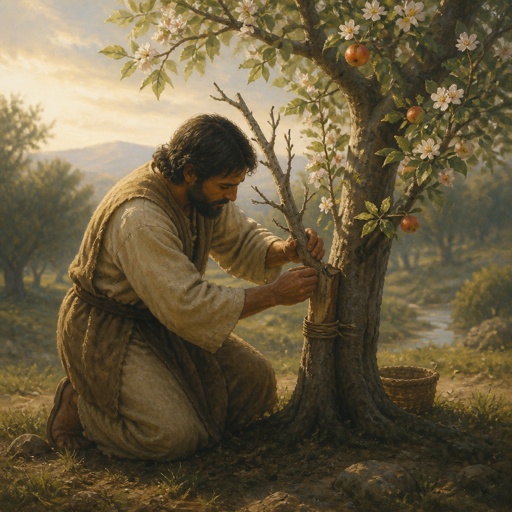
"For as the body without the spirit is dead, so faith without works is dead also." - James 2:26

James 1:20 - "For the wrath of man worketh not the righteousness of God."

James 1:16 - "Do not err, my beloved brethren."