A Vision of Majesty: Encountering God in Our Brokenness
"In the year that king Uzziah died I saw also the Lord sitting upon a throne, high and lifted up, and his train filled the temple." - Isaiah 6:1
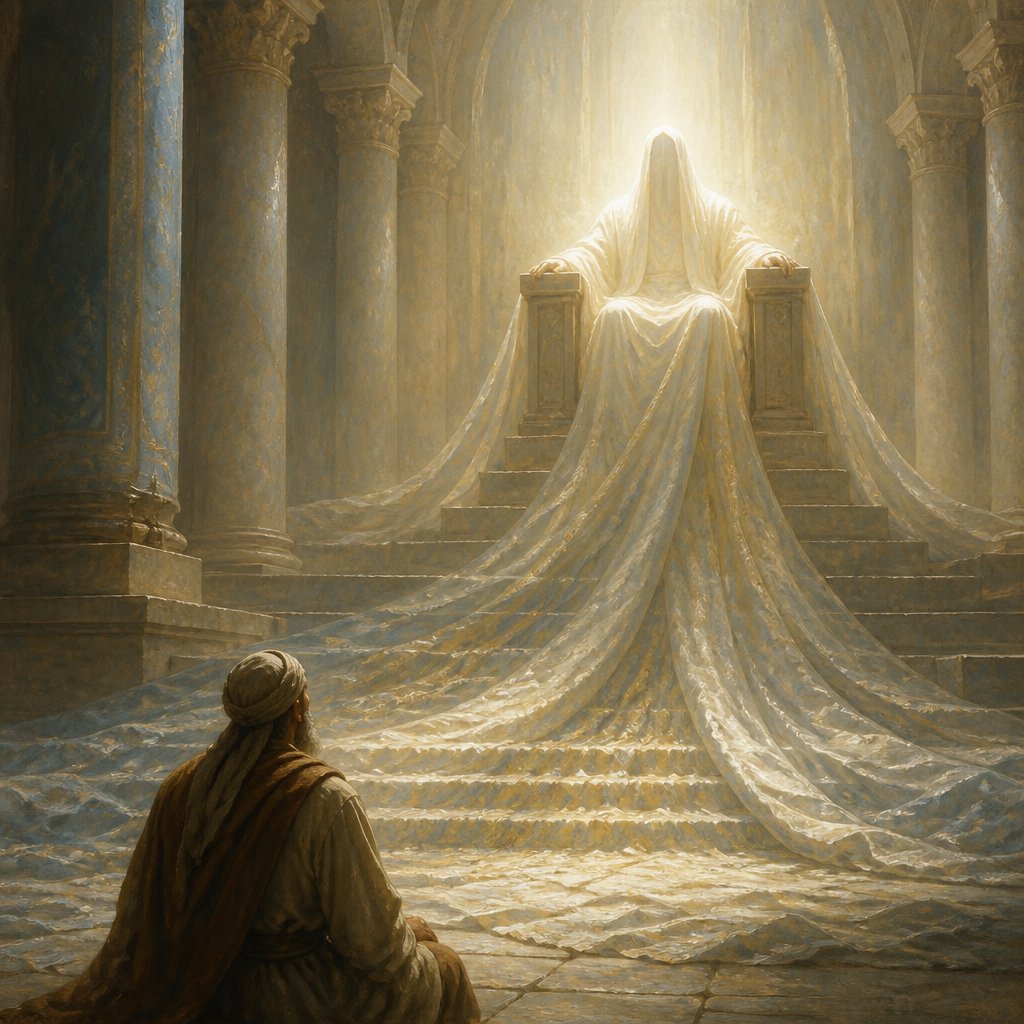
Isaiah 6:1 graciously invites us into a profound moment of revelation: "In the year that king Uzziah died I saw also the Lord sitting upon a throne, high and lifted up, and his train filled the temple." This verse serves as a pivotal point in the prophetic ministry of Isaiah, illuminating the rich tapestry of divine vision against the backdrop of human distress, loss, and the need for hope.
To fully appreciate the magnitude of this revelation, we must first understand the historical context. King Uzziah reigned for 52 years, becoming a symbol of stability and blessing for the nation of Judah. His death marked not just the end of an era but also the onset of uncertainty and fear. In a time when the nation faced threats from outside and internal unrest, Isaiah's eyes were turned upward, not to the political turmoil but toward the heavens where God reigns supreme.
What grips us in this moment is the phrase, "I saw also the Lord." Isaiah's vision comes in a time of sorrow, illustrating a profound truth: even in our darkest hours, God remains present and sovereign. Such a vision offers a striking contrast to the uncertainties we face in life. How often do we get caught up in our circumstances, focusing on what surrounds us rather than the greater reality that God is seated on His throne? This perspective shift is essential.
In the act of both witnessing and acknowledging God's position, Isaiah is drawn to the sight of the Lord "high and lifted up." This exaltation signifies not just God's authority but His solitude above all creation—He rules supreme, unchallenged by mortal affairs. Here lies encouragement for every believer—the acknowledgment that despite the turbulence and chaos of our life, there exists an unassailable throne where God reigns in glory. Reminders of His ultimate sovereignty can bolster our faith, encouraging us to trust that God has not abandoned us amid our trials but has positioned Himself distinctly, where we can glimpse His power and majesty.
Furthermore, Isaiah notes that "his train filled the temple." This detail emphasizes God's magnificence and the spread of His glory. In ancient royalty, the train of a king’s robe symbolized his status and presence. In this vision, the grandeur of God's train illustrates not just His splendor but also the pervasive impact of His presence. The temple, a sacred space, serves as the stage for this divine display of majesty.
When God shows His glory, it transforms the environment, signifying that wherever God is, His presence overwhelms and fills space. It evokes the thought that even in our places of worship or personal devotion, we too can experience a fullness of His presence that brings peace amid the chaos—a reminder that our worship should not be merely ritualistic but saturated with an awareness of who God is.
Isaiah's response upon seeing the Lord is critical: his recognition of his own sinfulness and unworthiness follows immediately. "Woe is me! for I am undone; because I am a man of unclean lips, and I dwell in the midst of a people of unclean lips..." (Isaiah 6:5 KJV). Awareness of God’s holiness serves as a mirror reflecting our own flaws, reminding us that the more we encounter God’s glory, the clearer our failings appear. Yet, therein lies the beauty of grace—God does not leave us in despair but redeems us. He provides for our cleansing, preparing us for His work in the world.
Lastly, this rich narrative culminates in God's call for a servant. After receiving forgiveness and being purified, Isaiah responds willingly, "Here am I; send me" (Isaiah 6:8 KJV). This is not just an act of duty but one of love and commitment borne out of a deep encounter with the divine. In this, we see that an authentic experience of God propels us toward action—bridging our experiences of Lordship with service.
In summary, Isaiah 6:1 encapsulates a powerful moment of both seeing God’s majesty and recognizing our human frailty. As we meditate on this scripture, let us seek the Lord who is high and lifted up, filling our lives, our temples, with His train of glory. May this vision spark powerful transformations in our hearts, prompting us to look beyond our struggles, trust in His eternal reign, and respond with courage to the calls He places upon our lives.
Want to reflect more on Isaiah 6:1?
Continue your spiritual journey with Bible Chat — an AI-powered tool for exploring God's Word through conversation. Ask questions, discover connections, and deepen your understanding.
Get Our Apps


Isaiah 6:1 Artwork

Isaiah 6:1-5

Isaiah 6:1-5

Isaiah 6:1-5

Isaiah 6:1-5

Isaiah 6:1

Isaiah 6:1-3

Isaiah 6:1-3

Isaiah 6:1-3
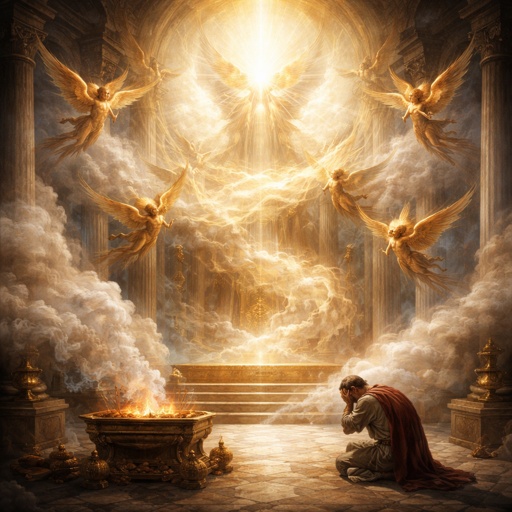
Isaiah 6:1-4. Do not depict God's face.
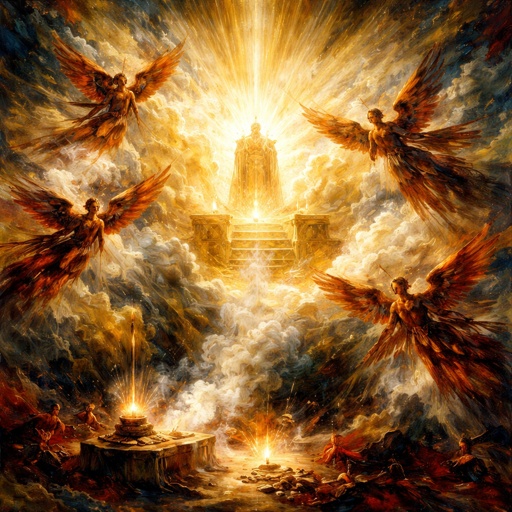
Isaiah 6:1-4. Do not depict God's face.
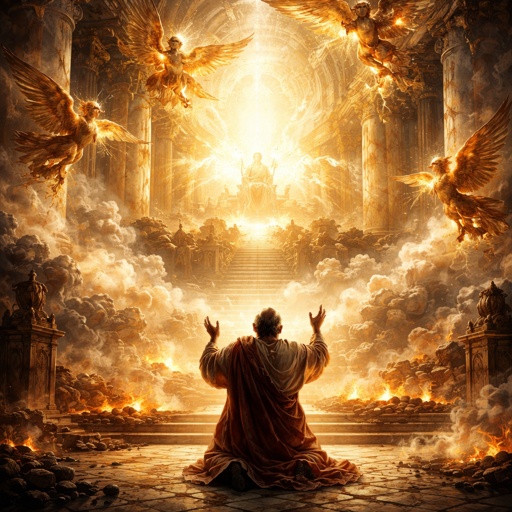
Isaiah 6:1-4. Do not depict God's face.
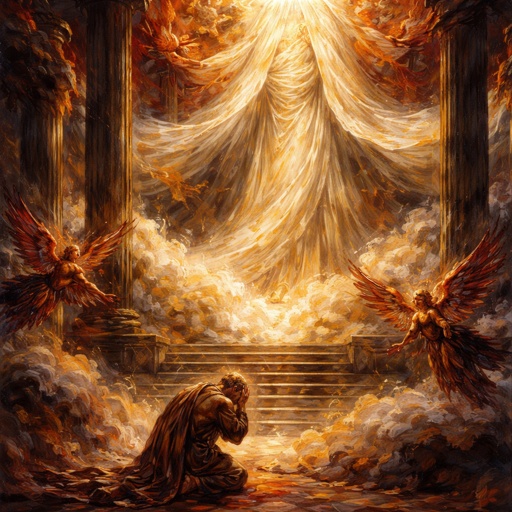
Isaiah 6:1-4. Only seeing the robe of God and not his upper body or face.
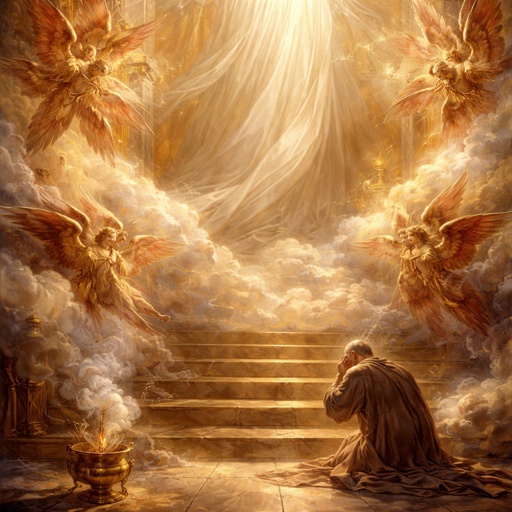
Isaiah 6:1-4. Only seeing the robe of God and not his upper body or face.
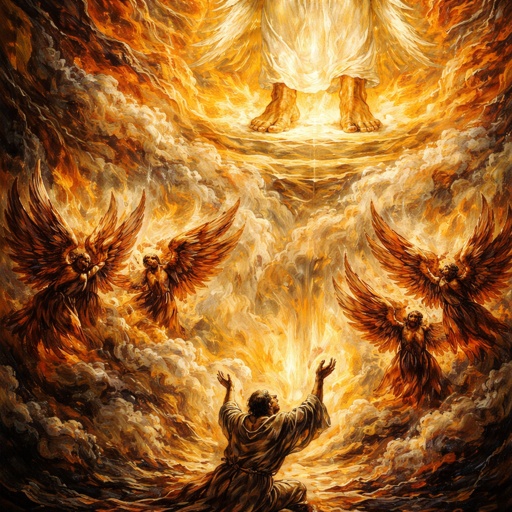
Isaiah 6:1-4. Only seeing the feet of God and not his upper body or face.
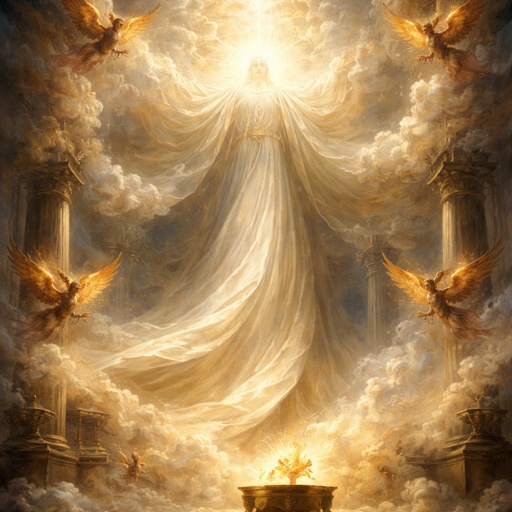
Isaiah 6:1-4. Only seeing the robe of God and not his upper body or face.
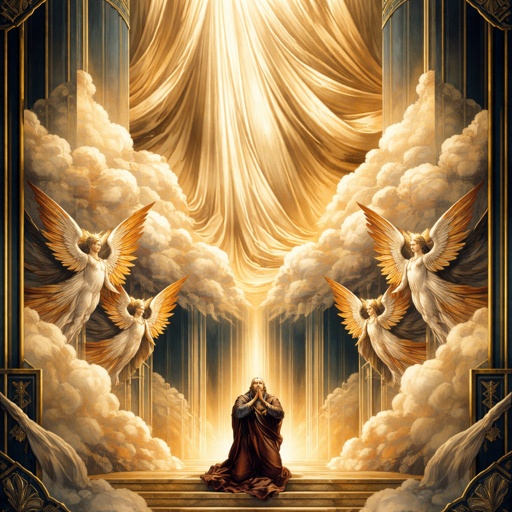
Isaiah 6:1-4. Only seeing the robe of God and not his upper body or face.
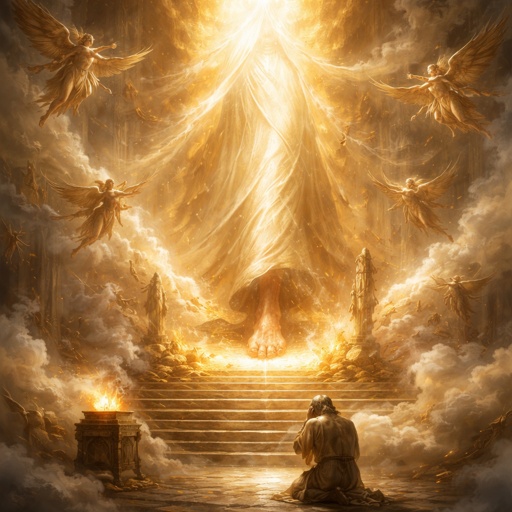
Isaiah 6:1-4. Only seeing the feet of God and not his upper body or face.

Isaiah 6:1 - "In the year that king Uzziah died I saw also the Lord sitting upon a throne, high and lifted up, and his train filled the temple."
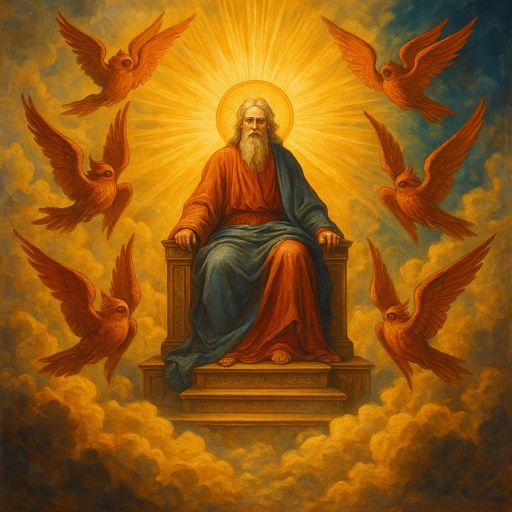
"In the year that king Uzziah died I saw also the Lord sitting upon a throne, high and lifted up, and his train filled the temple." - Isaiah 6:1
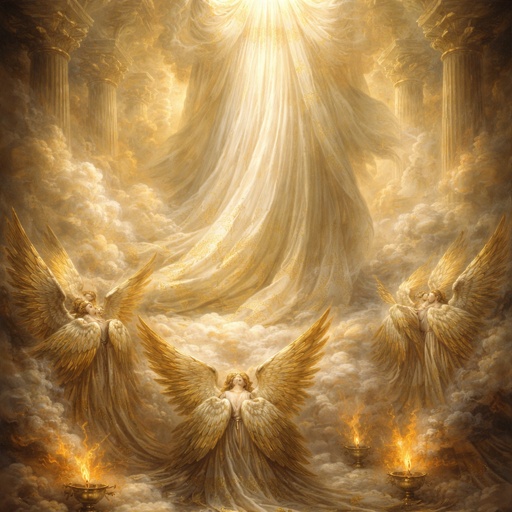
Isaiah 6:1-4. Only seeing the robe of God and not his upper body or face. Wings of angels should be covering their faces.
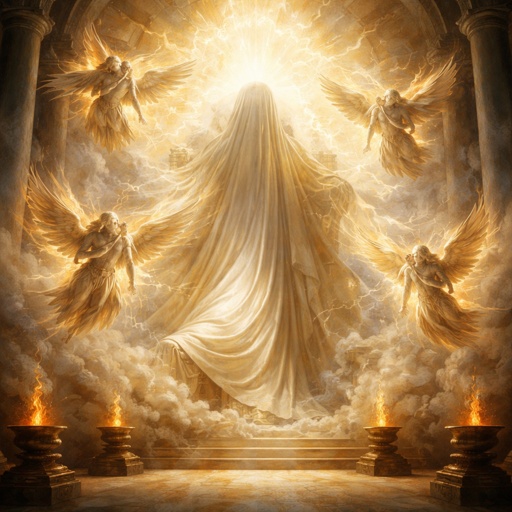
Isaiah 6:1-4. Only seeing the robe of God and not his upper body or face. The seraphim should be covering their faces with their wings, with two wings they fly, and with two wings they cover their feet
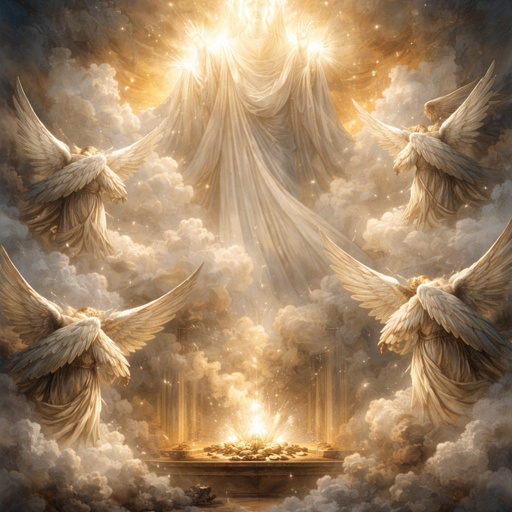
Isaiah 6:1-4. Only seeing the robe of God and not his upper body or face. The seraphim should be covering their faces with their wings, with two wings they fly, and with two wings they cover their feet. Make sure the angels faces are covered with their wings
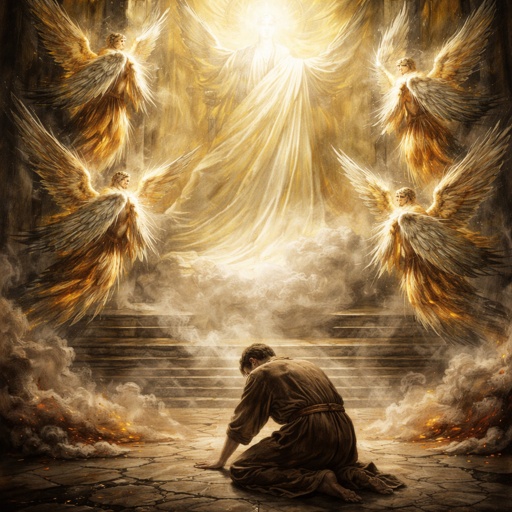
Isaiah 6:1-4. Only seeing the robe of God and not his upper body or face. The seraphim should be covering their faces with their wings, with two wings they fly, and with two wings they cover their feet. Make sure the angels faces are covered with their wings. Also have Isaiah kneeling down and humbled before this scene
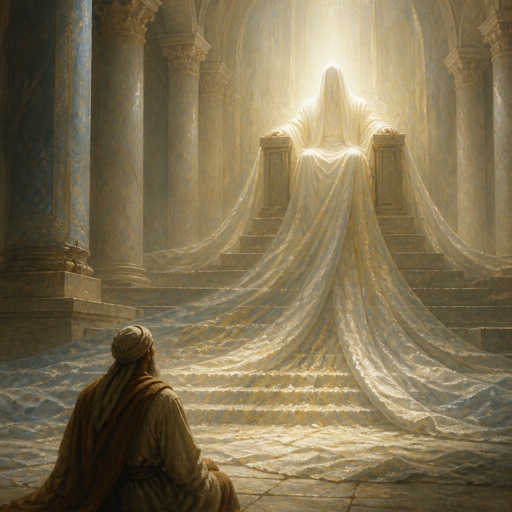
"In the year that king Uzziah died I saw also the Lord sitting upon a throne, high and lifted up, and his train filled the temple." - Isaiah 6:1
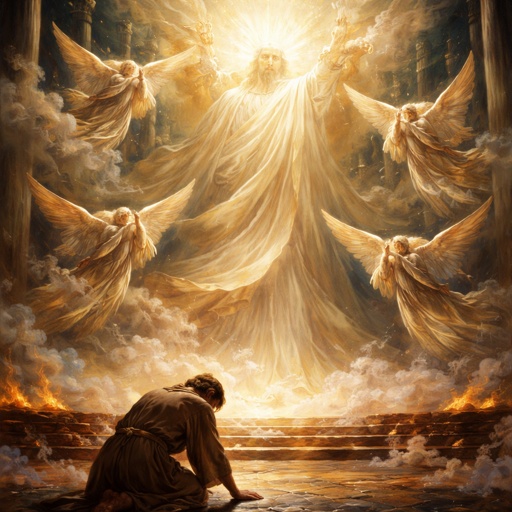
Isaiah 6:1-4. Only seeing the robe of God and not his upper body or face. The seraphim should be covering their faces with their wings, with two wings they fly, and with two wings they cover their feet. Make sure the angels faces are covered with their wings. Also have Isaiah kneeling down and humbled before this scene. Make sure the angels faces are covered

Isaiah 6 chapter 1 to 10

isaiah 6:6

Isaiah 6

Isaiah 6

isaiah 6:7