Nurturing the Vineyard: Lessons from Isaiah 5:6
"And I will lay it waste: it shall not be pruned, nor digged; but there shall come up briers and thorns: I will also command the clouds that they rain no rain upon it." - Isaiah 5:6
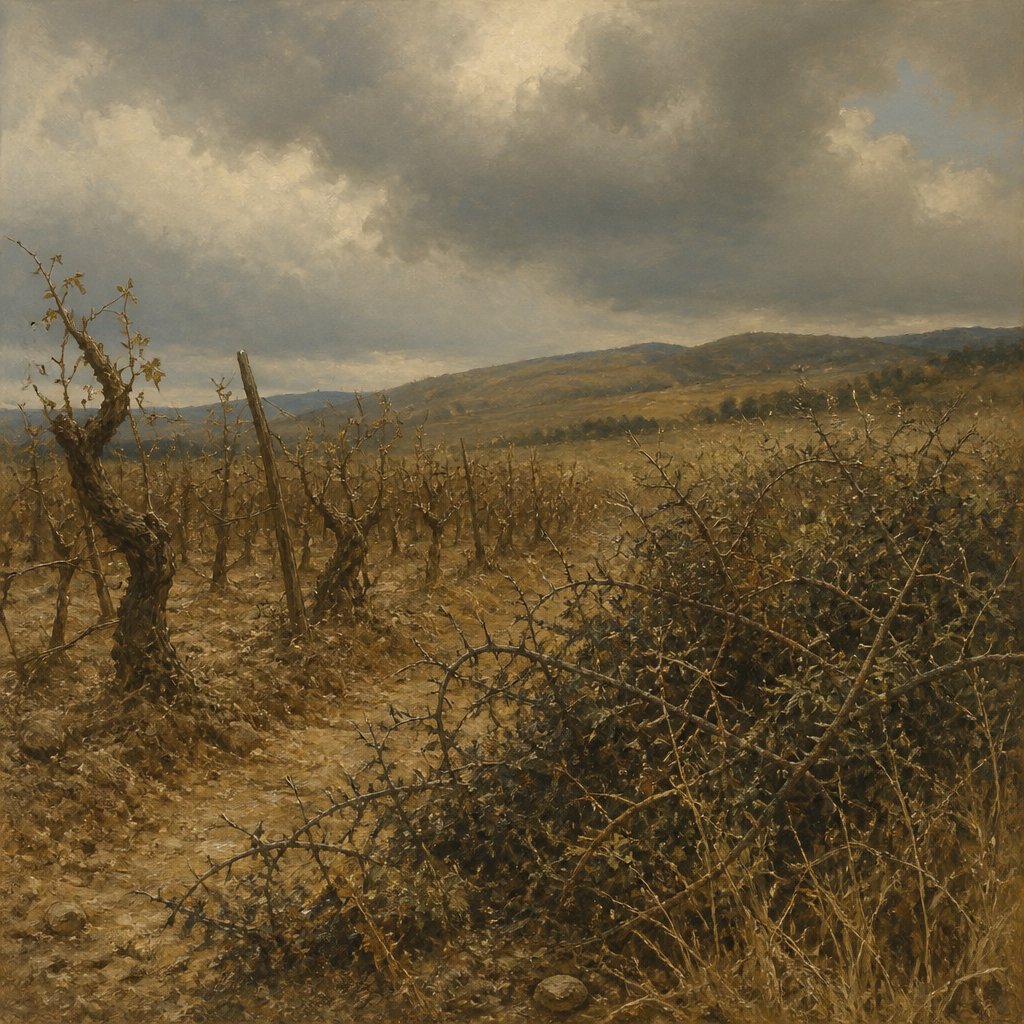
In Isaiah 5:6, we read the sobering words: "And I will lay it waste: it shall not be pruned, nor digged; but there shall come up briers and thorns: I will also command the clouds that they rain no rain upon it." This verse succinctly captures the consequences of neglecting a vineyard, which stands as a metaphor for the nation of Israel, chosen yet often rebellious. It invites us to reflect on our own lives, our spiritual gardens, and the necessity of God's attention and our allegiance to His ways.
As we delve into this verse, we must ask ourselves: What does it mean when God says He will lay a vineyard to waste? The vivid imagery of a vineyard conveys a deeper message about cultivation, care, and nourishment needed for growth. Just as a vineyard requires diligent pruning and weeding to thrive, our spiritual lives demand an ongoing commitment to maintaining a relationship with God. Without this dedication, the inevitable outcome is described—thorns and briers will take firm root where fruitful vines once flourished.
### The Seriousness of Neglect
Neglecting our spiritual gardens leads to desolation. In prioritizing worldly pursuits or allowing the distractions of life to take precedence over our relationship with God, we find ourselves in a position similar to the vineyard described in Isaiah. When the Lord states that the vineyard shall not be pruned, it illustrates a lack of discipline and divine correction. Scripture is clear that God often prunes those whom He loves (John 15:2). Pruning, though painful, is essential for producing more significant fruit. The absence of pruning suggests a laissez-faire attitude towards our spiritual growth, leading us away from what is intended for us—abundant life and spiritual fruitfulness.
The ‘briers and thorns’ in our lives symbolize not just the outcome of neglect but also the struggles and hardships that arise when we stray from God's path. These are the consequences of our choices when we turn our backs on the divine gardener. They are the trials, temptations, and tribulations that breed doubt and despair in our hearts when we are called to flourish.
### The Absence of Rain and God's Provision
God's declaration to withhold rain further emphasizes His control over our spiritual sustenance. Rain is a significant symbol in biblical literature, representing blessing, renewal, and life. In a land where water is scarce, the absence of rain would lead to inevitable drought and death. The withholding of rain speaks to the punishment that befalls those who consistently disregard God's instruction and turn away from Him.
We might find ourselves wondering why we sometimes feel dry or distant from God. Are there areas in our lives we have neglected? Are there spiritual directives we have ignored? Are we choosing to embrace the thorns instead of nurturing the fruit? These questions challenge us to reevaluate the state of our hearts and our commitment to spiritual growth.
### Cultivating Our Spiritual Gardens
The beauty of grace is that it allows for restoration whenever we repent and turn back to God. Unlike the neglected vineyard in Isaiah’s warning, we are not forsaken but are offered the chance to return to the Gardener. We can incorporate pruning into our lives by welcoming the Holy Spirit with open hearts, allowing Him to reveal areas of strife, apathy, or disobedience.
As we seek renewal, let us also be mindful of the ways we can cultivate our gardens. Daily prayer, diligent study of God’s Word, community fellowship, and acts of service enable us to water and nourish our souls. By doing so, we invite God's rain—the blessings and refreshment that come from yielding to His Spirit.
### Conclusion
Isaiah 5:6 serves as both a warning and an invitation. It calls us to be intentional in nurturing our spiritual lives and reminds us of the consequences that follow when we allow neglect to take root. Let us commit to regular tending to our vineyard, trusting that as we cultivate our relationship with the Father, He will bless us abundantly, allowing us to bear fruit in every season.
Want to reflect more on Isaiah 5:6?
Continue your spiritual journey with Bible Chat — an AI-powered tool for exploring God's Word through conversation. Ask questions, discover connections, and deepen your understanding.
Get Our Apps


Isaiah 5:6 Artwork

Isaiah 5:6 - "And I will lay it waste: it shall not be pruned, nor digged; but there shall come up briers and thorns: I will also command the clouds that they rain no rain upon it."
"And I will lay it waste: it shall not be pruned, nor digged; but there shall come up briers and thorns: I will also command the clouds that they rain no rain upon it." - Isaiah 5:6

Isaiah 6:1-5

Isaiah 6:1-5

Isaiah 6:1-5

Isaiah 6:1-5

Isaiah 6:5

Isaiah 6:5

Isaiah 45:5-6

Isaiah 45:5-6

isaiah 6:6

Isaiah 6:5 - "¶ Then said I, Woe is me! for I am undone; because I am a man of unclean lips, and I dwell in the midst of a people of unclean lips: for mine eyes have seen the King, the LORD of hosts."

Isaiah 37:5 - "So the servants of king Hezekiah came to Isaiah."

Isaiah 39:5 - "Then said Isaiah to Hezekiah, Hear the word of the LORD of hosts:"

Isaiah 5:21

Isaiah 53:5

Isaiah 5:21

Isaiah 6

Isaiah 6

isaiah 6:7

Isaiah 48:5

isaiah 5:14

Isaiah 48:5

Isaiah 9:6

Isaiah 9:6

Isaiah 9:6

isaiah 6:7

Isaiah 29:6

Isaiah 33:6

Isaiah 6:8