The Language of Fear and Faith
"¶ Then said Eliakim and Shebna and Joah unto Rabshakeh, Speak, I pray thee, unto thy servants in the Syrian language; for we understand it: and speak not to us in the Jews' language, in the ears of the people that are on the wall." - Isaiah 36:11
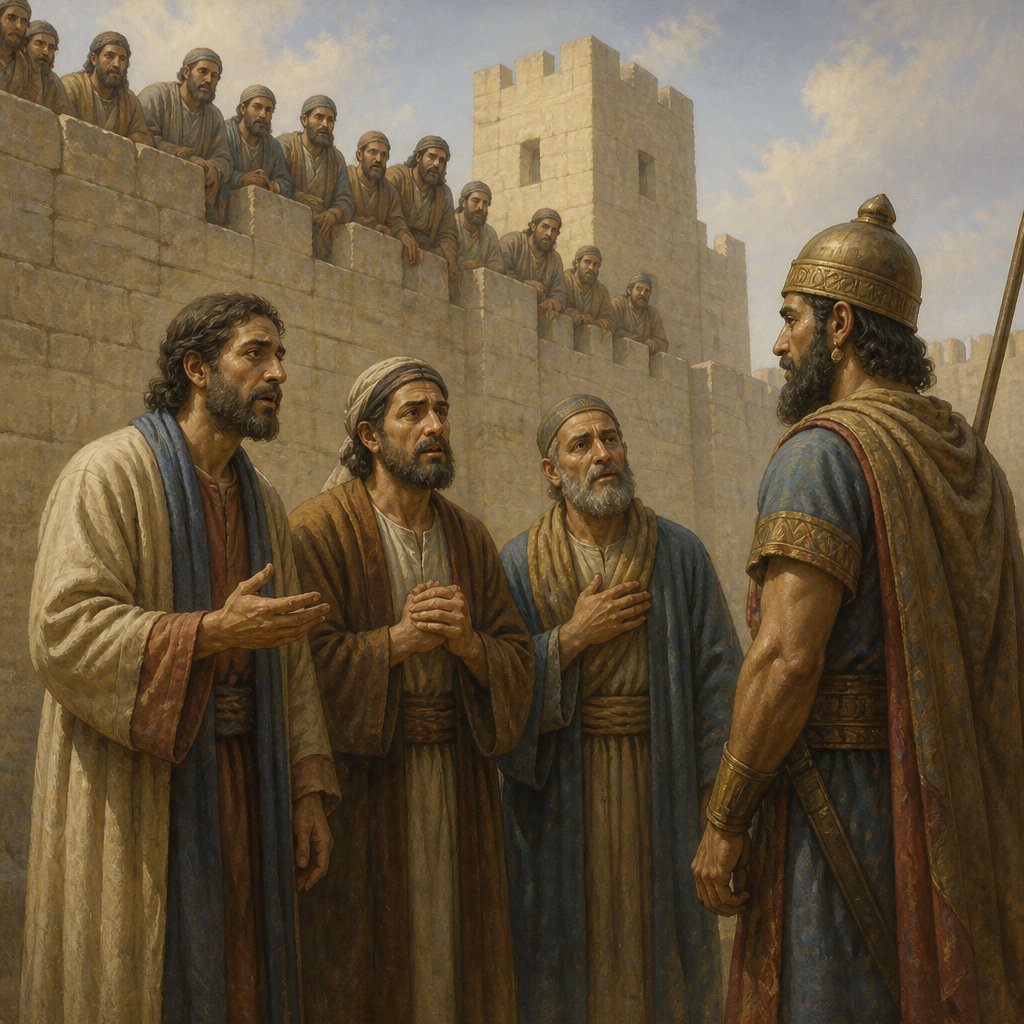
In the heart of a crisis, when the walls of reality seem to close in on us, we are often faced with choices that define our responses to fear and faith. Isaiah 36:11 captures a critical moment in the narrative of Israel during a time of siege and uncertainty: "Then said Eliakim and Shebna and Joah unto Rabshakeh, Speak, I pray thee, unto thy servants in the Syrian language; for we understand it: and speak not to us in the Jews' language, in the ears of the people that are on the wall."
This verse reflects a poignant struggle between the whispers of intimidation and the pillars of faith. The leaders of Israel, Eliakim, Shebna, and Joah, found themselves in an intense dialogue with Rabshakeh, a representative of the Assyrian king. As the Assyrians sought to demoralize the people of Judah, these men requested that the threats be spoken in a language not understood by the remaining populace on the wall, effectively shielding them from despairing words. This request reveals a profound truth: that the language of fear can penetrate deeply into the hearts of the vulnerable.
Rabshakeh’s intention was clear; in using the Jewish language, he aimed to instill panic and doubt among the people. He sought to make the siege more than a physical battle; he aimed to conquer the spirit of the people. Eliakim, Shebna, and Joah recognized this malicious tactic for what it was—a psychological weapon meant to dismantle their faith. Their plea unveils an essential aspect of spiritual warfare: the importance of guarding our hearts and minds against voices that seek to sow seeds of doubt and discouragement.
In our own lives, we often encounter Rabshakeh-like voices, whether they be external opinions, circumstances, or even internal fears that speak against the promises of God. These voices may come in the form of relationships, societal pressures, or personal doubt, attempting to draw our focus away from what's true, good, and steadfast. Just as the leaders did in sending the appeal to speak in another language, we should also discern which voices we allow to influence us and our circumstances.
The request to speak in the Syrian language has a dual purpose—it signifies a recognition of their understanding while simultaneously aiming to safeguard the minds of those who were less fortified in their faith. As followers of Christ, we are often called to do the same. We are urged to filter our exposure to negativity and fear—protecting the faith of ourselves and our communities. Philippians 4:8 encourages us to focus on things that are "true, honest, just, pure, lovely, and of good report." This pursuit helps cultivate a heart that is less susceptible to fear and more aligned with the truth of God’s promises.
Moreover, the exchange in our scripture illuminates the communal aspect of faith. The leaders had a responsibility not only for their own faith but for the welfare of their people. They recognized how the words heard by those on the wall could either fortify or devastate their collective spirit. In this way, the plea to speak in a different language reflects an understanding that faith is often communal—our words, attitudes, and responses can uplift or discourage those around us.
In times of crisis today, let us strive to speak faith into our lives and the lives of others. May we advocate for a language of hope amidst the rhetoric of despair. Let us echo the sentiments of Eliakim, Shebna, and Joah by choosing our words wisely. By directing them toward faith and encouragement rather than fear, we can create an atmosphere where trust in God flourishes, even when external circumstances scream otherwise.
As we meditate on this verse, let us ask ourselves: what voices are we allowing to influence us? Are we speaking fear or faith? In every situation, let us strive to embody a spirit that seeks to understand, to uplift, and to inspire the hearts of all around us, for our God is greater than any Rabshakeh we may face.
Want to reflect more on Isaiah 36:11?
Continue your spiritual journey with Bible Chat — an AI-powered tool for exploring God's Word through conversation. Ask questions, discover connections, and deepen your understanding.
Get Our Apps


Isaiah 36:11 Artwork

Isaiah 36:11 - "¶ Then said Eliakim and Shebna and Joah unto Rabshakeh, Speak, I pray thee, unto thy servants in the Syrian language; for we understand it: and speak not to us in the Jews' language, in the ears of the people that are on the wall."
"¶ Then said Eliakim and Shebna and Joah unto Rabshakeh, Speak, I pray thee, unto thy servants in the Syrian language; for we understand it: and speak not to us in the Jews' language, in the ears of the people that are on the wall." - Isaiah 36:11

Romana 11:33-36

Nehemiah 11:36 - "And of the Levites were divisions in Judah, and in Benjamin."

1 Chronicles 11:36 - "Hepher the Mecherathite, Ahijah the Pelonite,"

Isaiah 36:21 - "But they held their peace, and answered him not a word: for the king's commandment was, saying, Answer him not."

John 11:36 - "Then said the Jews, Behold how he loved him!"

Isaiah 36:14 - "Thus saith the king, Let not Hezekiah deceive you: for he shall not be able to deliver you."

Genesis 36:11 - "And the sons of Eliphaz were Teman, Omar, Zepho, and Gatam, and Kenaz."

Isaiah 36:19 - "Where are the gods of Hamath and Arphad? where are the gods of Sepharvaim? and have they delivered Samaria out of my hand?"

Job 36:11 - "If they obey and serve him, they shall spend their days in prosperity, and their years in pleasures."

Psalm 8:3-6

Romans 11:36 - "For of him, and through him, and to him, are all things: to whom be glory for ever. Amen."

Hebrews 11:36 - "And others had trial of cruel mockings and scourgings, yea, moreover of bonds and imprisonment:"

Isaiah 36:13 - "Then Rabshakeh stood, and cried with a loud voice in the Jews' language, and said, Hear ye the words of the great king, the king of Assyria."

Psalms 36:11 - "Let not the foot of pride come against me, and let not the hand of the wicked remove me."

Isaiah 11

Isaiah 36:3 - "Then came forth unto him Eliakim, Hilkiah's son, which was over the house, and Shebna the scribe, and Joah, Asaph's son, the recorder."

Psalms 36 verse 3-6

"Hepher the Mecherathite, Ahijah the Pelonite," - 1 Chronicles 11:36
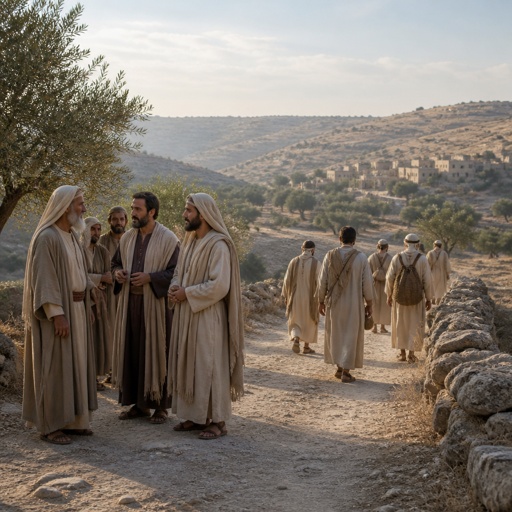
"And of the Levites were divisions in Judah, and in Benjamin." - Nehemiah 11:36

Isaiah 36:17 - "Until I come and take you away to a land like your own land, a land of corn and wine, a land of bread and vineyards."

Numbers 36:11 - "For Mahlah, Tirzah, and Hoglah, and Milcah, and Noah, the daughters of Zelophehad, were married unto their father's brothers' sons:"

Leviticus 11:36 - "Nevertheless a fountain or pit, wherein there is plenty of water, shall be clean: but that which toucheth their carcase shall be unclean."

Jeremiah 36:11 - "¶ When Michaiah the son of Gemariah, the son of Shaphan, had heard out of the book all the words of the LORD,"

Isaiah 36:20 - "Who are they among all the gods of these lands, that have delivered their land out of my hand, that the LORD should deliver Jerusalem out of my hand?"

Isaiah 36:15 - "Neither let Hezekiah make you trust in the LORD, saying, The LORD will surely deliver us: this city shall not be delivered into the hand of the king of Assyria."

Isaiah 36:9 - "How then wilt thou turn away the face of one captain of the least of my master's servants, and put thy trust on Egypt for chariots and for horsemen?"

2 Chronicles 36:11 - "¶ Zedekiah was one and twenty years old when he began to reign, and reigned eleven years in Jerusalem."

Isaiah 11:1