Lamenting for What Was: A Call to Reflection and Renewal
"They shall lament for the teats, for the pleasant fields, for the fruitful vine." - Isaiah 32:12

In Isaiah 32:12, we read, "They shall lament for the teats, for the pleasant fields, for the fruitful vine." This verse paints a vivid picture of loss and mourning, reminding us of the ramifications of judgment and the sorrow accompanying the destruction of what once was bountiful and promising. But what offers us deeper insight is not merely the lament itself, but the reasons behind it and the heart of God that beckons us to reflect on our own lives in relation to His providence.
When we think of "teats," we consider nurturance and sustenance; they symbolize not just physical nourishment but emotional and spiritual care as well. The lament for the "pleasant fields" symbolizes the loss of joy, beauty, and the care that God has instilled in His creation. And the "fruitful vine" represents not just material abundance, but the fruits of life that come through our labor and relationship with God—joy, peace, fulfillment, and purpose.
The context of Isaiah's lament is essential. It speaks to a time of judgment upon Israel, where a once prosperous nation now stands on the brink of desolation due to their turning away from God. This verse captures the heartache of a community that has veered from its spiritual foundation, resulting in the forfeiting of the blessings associated with faithfulness. It evokes a sense of urgency for us to identify what we may be lamenting in our own lives. Perhaps there are relationships, dreams, or callings that have felt the impact of choices that have led us away from God’s best for us.
As we read this verse, we are encouraged to engage in a personal inventory of our own lives. Where have we experienced loss? What blessings have we taken for granted? Are there areas in our lives where, like Israel, we have turned from God and are now facing the consequences? The lament invoked by Isaiah calls us to examine the condition of our hearts and our relationships with God, as well as with one another.
In Matthew 5:4, we find the beatitude: "Blessed are they that mourn: for they shall be comforted." This provides a profound truth that in our laments and losses, God is not absent; rather, He is present and offers comfort. Mourning leads to healing because it allows us to confront our pain and turn our hearts towards His redemptive work. We see that while Isaiah points to a time of judgment, it does not define the people of God entirely. He is offering them the opportunity to return to Him and be restored.
Reflecting on what it means to lament may also draw us closer to understanding God’s character. God is a God of restoration, not merely of endings. While we may, like the Israelites, lament for lost blessings, we are also invited to call upon God, to seek restoration, to long for renewal. Lamenting is not the end but a step towards transformation. Just as the destruction of the land symbolizes a physical loss, our emotional and spiritual longing can also prompt a desire for deeper reliance on God. It might provoke a yearning for more profound intimacy with our Creator.
In lament, we can rediscover our need for God and invite Him to revive and refresh our hearts. As we contemplate this verse, let us not simply mourn for what has been lost but also consider the new things God wishes to do in our lives, just as He did for Israel post-exile when He promised to restore their fortunes. Amidst lament, may we find hope, reconnection, and a renewed sense of purpose as we turn back to God who sees our pain and walks with us through the valley of desolation towards abundant life.
Want to reflect more on Isaiah 32:12?
Continue your spiritual journey with Bible Chat — an AI-powered tool for exploring God's Word through conversation. Ask questions, discover connections, and deepen your understanding.
Get Our Apps


Isaiah 32:12 Artwork

Isaiah 32:12 - "They shall lament for the teats, for the pleasant fields, for the fruitful vine."

"They shall lament for the teats, for the pleasant fields, for the fruitful vine." - Isaiah 32:12

2 Chronicles 32:32 - "Now the rest of the acts of Hezekiah, and his goodness, behold, they are written in the vision of Isaiah the prophet, the son of Amoz, and in the book of the kings of Judah and Israel."

Isaiah 32:16 - "Then judgment shall dwell in the wilderness, and righteousness remain in the fruitful field."

Isaiah 32:17 - "And the work of righteousness shall be peace; and the effect of righteousness quietness and assurance for ever."

Isaiah 32:1 - "Behold, a king shall reign in righteousness, and princes shall rule in judgment."

Isaiah 32:8 - "But the liberal deviseth liberal things; and by liberal things shall he stand."

Isaiah 32:3 - "And the eyes of them that see shall not be dim, and the ears of them that hear shall hearken."

Isaiah 32:5 - "The vile person shall be no more called liberal, nor the churl said to be bountiful."

Isaiah 32:19 - "When it shall hail, coming down on the forest; and the city shall be low in a low place."

Isaiah 32:18 - "And my people shall dwell in a peaceable habitation, and in sure dwellings, and in quiet resting places;"

2 Chronicles 32:20 - "And for this cause Hezekiah the king, and the prophet Isaiah the son of Amoz, prayed and cried to heaven."

Nehemiah 12:32 - "And after them went Hoshaiah, and half of the princes of Judah,"

Isaiah 32:20 - "Blessed are ye that sow beside all waters, that send forth thither the feet of the ox and the ass."

Isaiah 32:4 - "The heart also of the rash shall understand knowledge, and the tongue of the stammerers shall be ready to speak plainly."

Isaiah 32:15 - "Until the spirit be poured upon us from on high, and the wilderness be a fruitful field, and the fruitful field be counted for a forest."

Deuteronomy 32:12 - "So the LORD alone did lead him, and there was no strange god with him."

isaiah 32:2-3 emphasis on Jesus Christ being unnatractive

Isaiah 14:12

Isaiah 12:3
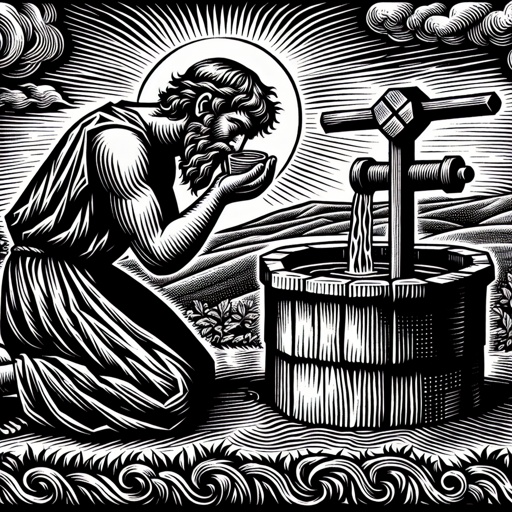
Isaiah 12:3

Isaiah 12:6

Isaiah 29:12

Isaiah 12:6

Isaiah 12:3

Isaiah 12:3

Isaiah 12:3

Isaiah 12:3

Isaiah 12:3

Isaiah 12:3