Putting Our Trust in God Alone
"Cease ye from man, whose breath is in his nostrils: for wherein is he to be accounted of?" - Isaiah 2:22
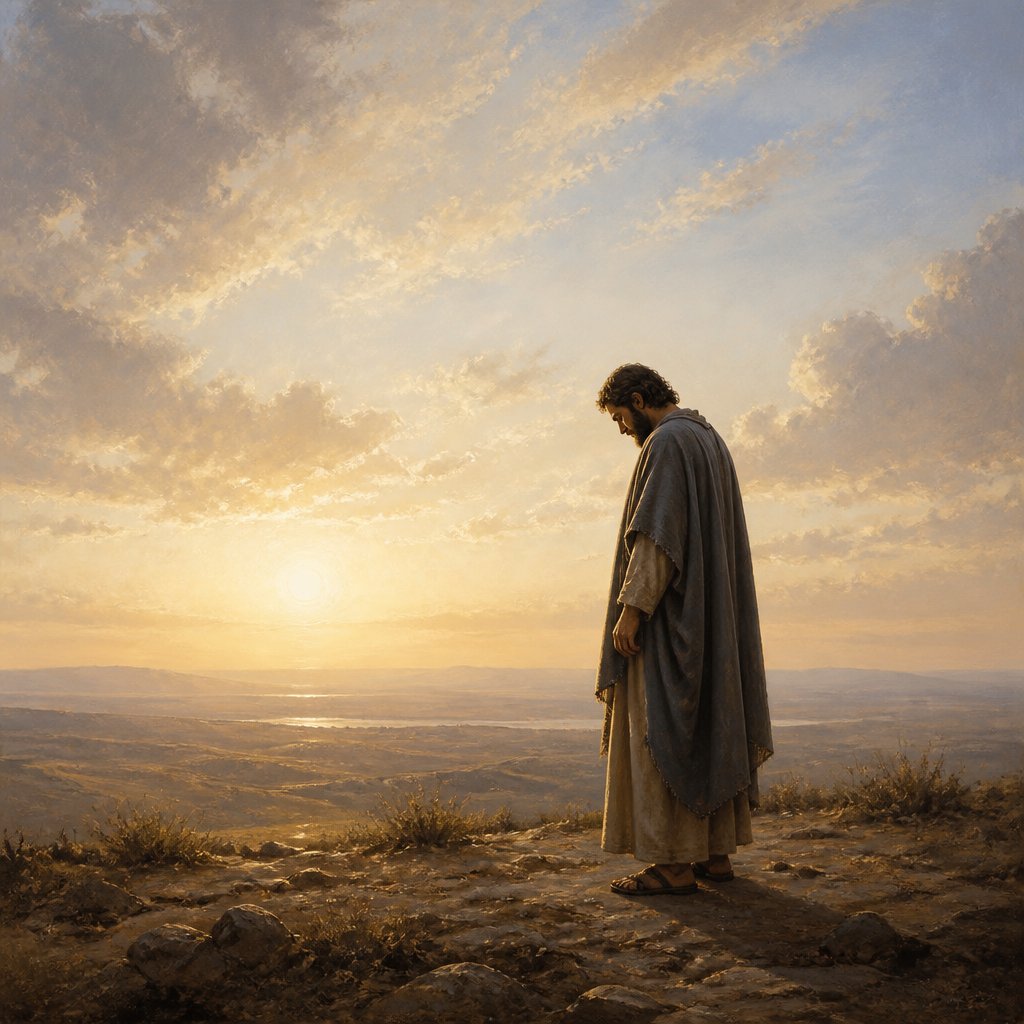
In a world filled with uncertainties, distractions, and fleeting human opinions, Isaiah 2:22 offers a profound reminder: "Cease ye from man, whose breath is in his nostrils: for wherein is he to be accounted of?" This verse calls us not just to recognize the limitedness of humanity but also to redirect our trust away from frail men towards the infinite power and wisdom of God.
To fully appreciate the weight of this verse, we must first understand the context in which Isaiah speaks. The people of Judah were known to rely heavily upon political alliances and the opinions of various leaders of nations rather than placing their trust in the eternal God. They were looking to mere mortals for guidance, security, and validation. This tendency is not confined to Judean society in ancient times; it resonates through the ages into our own lives.
Human beings, as the verse succinctly points out, are transient in nature, described poetically as having "breath in his nostrils." This imagery bespeaks the fragility of life—for breath can be taken away in an instant. How often do we hold opinions and society's judgments higher than we should? In our pursuit of acceptance or success, we can find ourselves ensnared by the fleeting approval of others. But Isaiah urges us to cease from man—to stop our dependence on human validation.
What does it truly mean to "cease from man"? It encompasses several layers of thought and application. First, it means letting go of our fears and anxieties rooted in human authority. Why should we succumb to the pressures of societal status? Why should the whims and fancies of our contemporaries dictate our sense of self-worth or direction in life? The inevitable truth is that human opinions are shallow and changeable, often based on subjective experiences rather than objective truths.
Second, it means focusing on the eternal, immutable nature of God. When we turn our eyes away from man and towards God, we engage with a source of wisdom that is without end. God is the Creator of the universe, whose thoughts and ways are infinitely higher than ours (Isaiah 55:9). Putting our trust in Him means acknowledging that human beings, in all their complexities, will ultimately fail us; whereas the Lord is steadfast and unfailing.
The consequence of esteeming man too highly can lead to disillusionment. When we place our hope in human leaders, systems, or even our own abilities, we risk our peace and stability. Human beings can disappoint; plans can fail, and circumstances can change at any moment. But God, who is unchanging in His character and promises, will never disappoint those who put their trust in Him.
Furthermore, consider the broader implications of Isaiah's message. If we cease from man, we also learn to see people through the lens of compassion rather than viewpoint. When we derive our identity and confidence from God, we can interact with others free from the need for validation. This brings forth true community, one grounded in love and service rather than competition and judgment.
In our day-to-day lives, we can practice this principle of ceasing from man by immersing ourselves in the Word of God, seeking His wisdom through prayer, and surrounding ourselves with spiritual encouragement that points us toward Him. Each day is filled with choices: whom will we depend upon? The answer, according to Isaiah, is clear—our reliance should rest solely upon God. As we learn to lean on God's understanding rather than our own or others', we find strength, peace, and an unshakeable foundation in Him.
In closing, let us make it a daily practice to cease from man and put our trust in the Lord with all our hearts. When His promises become our anchor, our lives will be transformed into a testament of faith, hope, and unwavering trust in our God.
Want to reflect more on Isaiah 2:22?
Continue your spiritual journey with Bible Chat — an AI-powered tool for exploring God's Word through conversation. Ask questions, discover connections, and deepen your understanding.
Get Our Apps


Isaiah 2:22 Artwork

Isaiah 2:22 - "Cease ye from man, whose breath is in his nostrils: for wherein is he to be accounted of?"
"Cease ye from man, whose breath is in his nostrils: for wherein is he to be accounted of?" - Isaiah 2:22
!["And it shall come to pass in the last days, [that] the mountain of the LORD’s house shall be established in the top of the mountains, and shall be exalted above the hills; and all nations shall flow unto it." - Isaiah 2:2](https://media.bible.art/f761edc3-68b8-490e-b2ad-199d46645c92-thumbnail.jpg)
"And it shall come to pass in the last days, [that] the mountain of the LORD’s house shall be established in the top of the mountains, and shall be exalted above the hills; and all nations shall flow unto it." - Isaiah 2:2

2 Chronicles 26:22 - "¶ Now the rest of the acts of Uzziah, first and last, did Isaiah the prophet, the son of Amoz, write."

Isaiah 22:2 - "Thou that art full of stirs, a tumultuous city, a joyous city: thy slain men are not slain with the sword, nor dead in battle."

Isaiah 2:2 - "And it shall come to pass in the last days, that the mountain of the LORD'S house shall be established in the top of the mountains, and shall be exalted above the hills; and all nations shall flow unto it."

Isaiah 40: 22

Isaiah 40: 22

Isaiah 48:22 - "There is no peace, saith the LORD, unto the wicked."

Isaiah 3:22 - "The changeable suits of apparel, and the mantles, and the wimples, and the crisping pins,"

"¶ Now the rest of the acts of Uzziah, first and last, did Isaiah the prophet, the son of Amoz, write." - 2 Chronicles 26:22

Isaiah 1:22 - "Thy silver is become dross, thy wine mixed with water:"

Isaiah 22:6 - "And Elam bare the quiver with chariots of men and horsemen, and Kir uncovered the shield."

Isaiah 22:17 - "Behold, the LORD will carry thee away with a mighty captivity, and will surely cover thee."

Isaiah 22:22 - "And the key of the house of David will I lay upon his shoulder; so he shall open, and none shall shut; and he shall shut, and none shall open."

Isaiah 22:12 - "And in that day did the Lord GOD of hosts call to weeping, and to mourning, and to baldness, and to girding with sackcloth:"

Isaiah 22:20 - "¶ And it shall come to pass in that day, that I will call my servant Eliakim the son of Hilkiah:"

Isaiah 5:22 - "Woe unto them that are mighty to drink wine, and men of strength to mingle strong drink:"

Isaiah 22:8 - "¶ And he discovered the covering of Judah, and thou didst look in that day to the armour of the house of the forest."

Isaiah 38:22 - "Hezekiah also had said, What is the sign that I shall go up to the house of the LORD?"

Isaiah 33:22 - "For the LORD is our judge, the LORD is our lawgiver, the LORD is our king; he will save us."

Isaiah 22:10 - "And ye have numbered the houses of Jerusalem, and the houses have ye broken down to fortify the wall."

Isaiah 8:22 - "And they shall look unto the earth; and behold trouble and darkness, dimness of anguish; and they shall be driven to darkness."
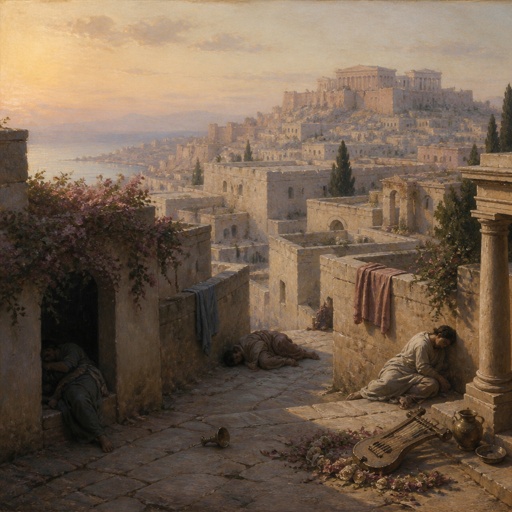
"Thou that art full of stirs, a tumultuous city, a joyous city: thy slain men are not slain with the sword, nor dead in battle." - Isaiah 22:2

"There is no peace, saith the LORD, unto the wicked." - Isaiah 48:22

Isaiah 22:23 - "And I will fasten him as a nail in a sure place; and he shall be for a glorious throne to his father's house."

Isaiah 45:22 - "Look unto me, and be ye saved, all the ends of the earth: for I am God, and there is none else."
Isaiah 22:1 - "The burden of the valley of vision. What aileth thee now, that thou art wholly gone up to the housetops?"

Isaiah 43:22 - "¶ But thou hast not called upon me, O Jacob; but thou hast been weary of me, O Israel."

Isaiah 22:9 - "Ye have seen also the breaches of the city of David, that they are many: and ye gathered together the waters of the lower pool."