The Fall of the Lofty: A Call to Humility
"¶ For he bringeth down them that dwell on high; the lofty city, he layeth it low; he layeth it low, even to the ground; he bringeth it even to the dust." - Isaiah 26:5
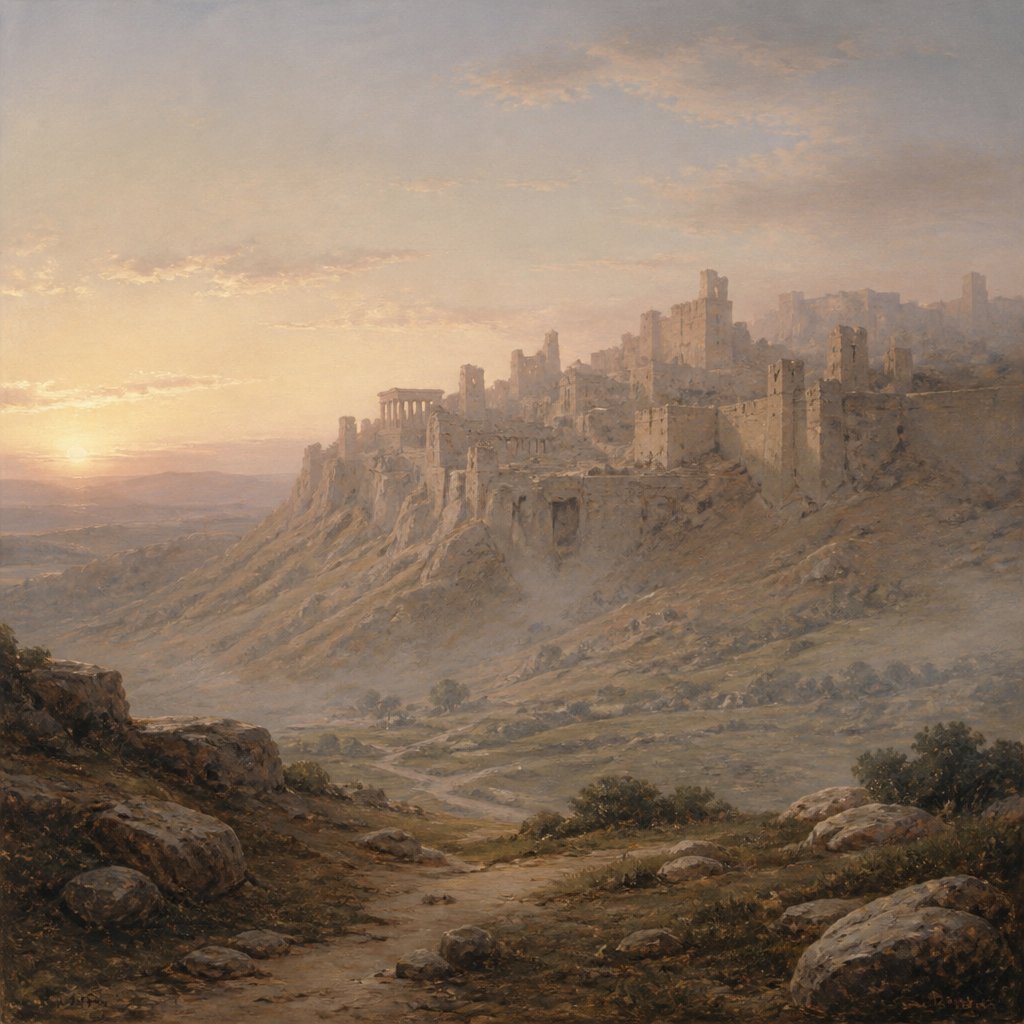
In Isaiah 26:5, we find a profound and thought-provoking statement: "For he bringeth down them that dwell on high; the lofty city, he layeth it low; he layeth it low, even to the ground; he bringeth it even to the dust." This verse from the King James Version speaks powerfully to the nature of God in relation to human pride and the transient nature of earthly power and glory.
To truly appreciate the weight of Isaiah's words, we must first place them within their historical context. The nation of Judah faced imminent threats from surrounding nations, and the people wrestled with feelings of insecurity and doubt about their standing before God. The lofty cities—representing not only physical structures but also human pride, self-sufficiency, and rebellion against God—stood as symbols of the arrogance that often accompanies power and affluence.
The phrase "he bringeth down them that dwell on high" serves as a stark reminder that no matter how powerful or secure we may feel, all human institutions and accomplishments are ultimately under the sovereignty of God. The architects of these lofty cities often sought to build empires and cultures that defied divine authority, prioritizing self-interest over obedience to God. Yet, Isaiah proclaims the reality that God is not blind to their arrogance; rather, He actively opposes it.
As we reflect on this verse, we are prompted to consider the "lofty cities" in our own lives. These can manifest as pride in our achievements, our social status, our possessions, or even spiritual pride in our understanding of Scriptures or our relationship with God. The truth is, the higher we elevate ourselves, the more susceptible we become to a fall. It is a spiritual principle that God resists the proud but gives grace to the humble (James 4:6).
This leads us to a critical challenge: How do we maintain humility in a world that often celebrates achievement and self-promotion? First, we must acknowledge that true greatness in God’s Kingdom is measured by our servanthood. Jesus, our perfect example, demonstrated this during His time on earth. In John 13, He washed the feet of His disciples, showing that the greatest among us is the one who serves, not the one who is served.
Furthermore, the latter part of the verse, "he layeth it low, even to the ground; he bringeth it even to the dust," emphasizes the complete eradication of pride that comes when God enacts His judgment on human arrogance. This can be both a terrifying and liberating truth. Terrifying because we recognize that God will not allow these towering structures of pride to withstand His will; liberating because it reminds us of the fleeting nature of worldly success and the importance of aligning our lives with God’s eternal purposes.
In moments of despair or feeling insignificant, we can take solace in the fact that God values humility and draws near to the contrite heart (Isaiah 57:15). The very act of lowering ourselves before God brings us closer to Him, allowing us to receive His grace and mercy. Such humility is not a means of degradation; rather, it is an elevation into the presence of the Almighty. In Philippians 2:10-11, we are reminded that every knee shall bow and every tongue confess that Jesus Christ is Lord, underscoring that pride has no place in the Kingdom of God.
As we meditate on Isaiah 26:5, let us ask ourselves: What are the lofty cities we have built in our lives? Are there areas where we are placing too much trust in our strength and abilities rather than relying on God's sovereignty? Let’s heed the warning in this verse and choose humility. By doing so, we position ourselves to not only avoid the fall but to rise in true greatness in God’s eyes.
May we embrace a spirit of humility, reminding ourselves that, ultimately, our worth comes not from our achievements or status, but from being beloved children of God who are called to reflect His glory in all that we do.
Want to reflect more on Isaiah 26:5?
Continue your spiritual journey with Bible Chat — an AI-powered tool for exploring God's Word through conversation. Ask questions, discover connections, and deepen your understanding.
Get Our Apps


Isaiah 26:5 Artwork

Isaiah 26:5 - "¶ For he bringeth down them that dwell on high; the lofty city, he layeth it low; he layeth it low, even to the ground; he bringeth it even to the dust."
"¶ For he bringeth down them that dwell on high; the lofty city, he layeth it low; he layeth it low, even to the ground; he bringeth it even to the dust." - Isaiah 26:5

Isaiah 5:26 - "¶ And he will lift up an ensign to the nations from far, and will hiss unto them from the end of the earth: and, behold, they shall come with speed swiftly:"

Isaiah 5:26 - "¶ And he will lift up an ensign to the nations from far, and will hiss unto them from the end of the earth: and, behold, they shall come with speed swiftly:"

Isaiah 40:26

isaiah 40:26
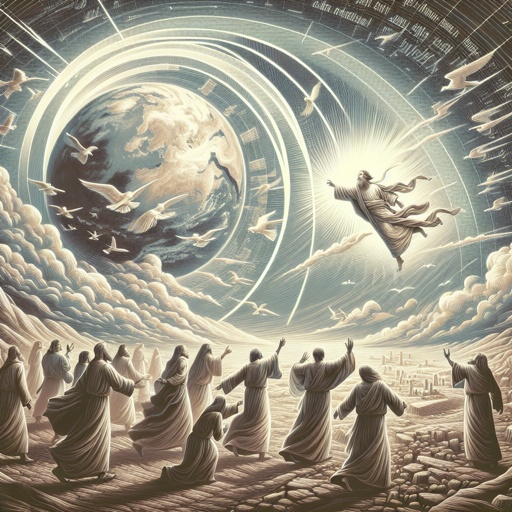
Isaiah 5:26 - "¶ And he will lift up an ensign to the nations from far, and will hiss unto them from the end of the earth: and, behold, they shall come with speed swiftly:"

Isaiah 26:3

Isaiah 37:5 - "So the servants of king Hezekiah came to Isaiah."

Isaiah 39:5 - "Then said Isaiah to Hezekiah, Hear the word of the LORD of hosts:"

Isaiah 26:4 - "Trust ye in the LORD for ever: for in the LORD JEHOVAH is everlasting strength:"

Isaiah 5:21

Isaiah 53:5

Isaiah 5:21

Isaiah 6:1-5

Isaiah 6:1-5

Isaiah 26:6 - "The foot shall tread it down, even the feet of the poor, and the steps of the needy."

Isaiah 28:26 - "For his God doth instruct him to discretion, and doth teach him."
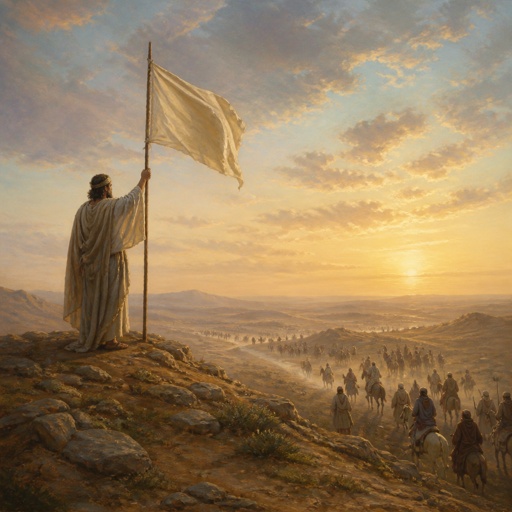
"¶ And he will lift up an ensign to the nations from far, and will hiss unto them from the end of the earth: and, behold, they shall come with speed swiftly:" - Isaiah 5:26

Isaiah 6:1-5

Isaiah 6:1-5

Hechos 5, 17-26

Luke 5:17-26

Matthieu 5:23-26

Galatians 5:16-26

Isaiah 26:2 - "Open ye the gates, that the righteous nation which keepeth the truth may enter in."

Isaiah 26:7 - "The way of the just is uprightness: thou, most upright, dost weigh the path of the just."

Isaiah 48:5

isaiah 5:14

Isaiah 48:5