The Vision of Isaiah: A Call to Faithfulness
"The vision of Isaiah the son of Amoz, which he saw concerning Judah and Jerusalem in the days of Uzziah, Jotham, Ahaz, and Hezekiah, kings of Judah." - Isaiah 1:1

The Book of Isaiah opens with a powerful declaration: "The vision of Isaiah the son of Amoz, which he saw concerning Judah and Jerusalem in the days of Uzziah, Jotham, Ahaz, and Hezekiah, kings of Judah" (Isaiah 1:1, KJV). This singular verse serves as both an introduction to a profound prophetic message and a poignant reminder of the historical backdrop against which Isaiah prophesied. To unpack this verse, it is essential to recognize not only who Isaiah was but also the significance of the visions he received, as they reflect God's heart for His people and His plan for redemption.
**The Prophet's Identity**
Isaiah, the son of Amoz, stands as one of the most prominent prophets of the Old Testament. His name means "The Lord saves," which encapsulates his mission: to call God's people back to Him and to proclaim the coming of the Messiah. During a time marked by political instability and moral corruption, Isaiah’s name serves as both warning and hope, a reminder that God always has the power to save His people from their dire circumstances.
**Vision and Revelation**
The term "vision" in this verse is critical. It denotes a divine revelation, a supernatural insight granted to Isaiah that revealed God’s message to His people. Visions in the Bible are often associated with profound spiritual truths that are not immediately visible or understood. Isaiah's visions concern "Judah and Jerusalem," indicating that the scope of his prophecies extends beyond mere political events to encompass the spiritual state of the nation. This vision is not merely an observation; it is a call to repentance, to seek the Lord, and to remember His ways amidst chaos.
**Historical Context**
The time period mentioned—“in the days of Uzziah, Jotham, Ahaz, and Hezekiah”—paints a rich historical tapestry. Each of these kings had varying degrees of faithfulness to God, which significantly impacted the nation. Uzziah began well but faltered; Ahaz was notably wicked, leading Israel into idolatry; whereas Hezekiah restored worship and faithfulness. This backdrop illustrates the fluctuating heart of the people of Judah—caught between faithfulness and rebellion—and reveals the urgent need for a prophetic voice amid their trials. Isaiah's call is aimed directly at the heart of a people who routinely swayed between faithfulness and disobedience.
**God's Call for Faithfulness**
As we reflect on this verse, we are immediately confronted with questions of our own faithfulness and the call to a deeper relationship with God. Each king’s reign can reflect phases in our lives; times when we are close to God, times when we stray, and times of genuine renewal. Isaiah’s prophecies are timeless; they challenge us to examine our own hearts. Are we loyal to God in our faith, or do we allow the distractions and idols of our current culture to lead us astray?
**Applying Isaiah’s Vision Today**
The vision of Isaiah beckons us to seek the Lord earnestly, to recognize the times we are living in, and to respond with faithfulness. Just as Judah faced societal challenges and moral decay, we too confront cultural storms that threaten our spiritual integrity. In the face of turmoil, it is essential for believers to become beacons of God’s truth, reflecting His love and justice. Isaiah’s vision is a poignant reminder that regardless of the state of the world around us, God has revealed His plan—and that plan centers on restoration and redemption through Jesus Christ.
**Conclusion**
In a world full of distractions, Isaiah's vision urges us to recenter our lives on God and His will. As we study the rest of his book, we can find comfort in God’s sovereignty and hope in His promises. Like Isaiah, we can be conduits of God’s message, inviting others to partake in the faithfulness and salvation that He offers. Ultimately, the vision of Isaiah is not merely a historical account; it is a living call to each of us to embrace God’s pursuit of our hearts, remaining faithful amid the storms of life.
Want to reflect more on Isaiah 1:1?
Continue your spiritual journey with Bible Chat — an AI-powered tool for exploring God's Word through conversation. Ask questions, discover connections, and deepen your understanding.
Get Our Apps


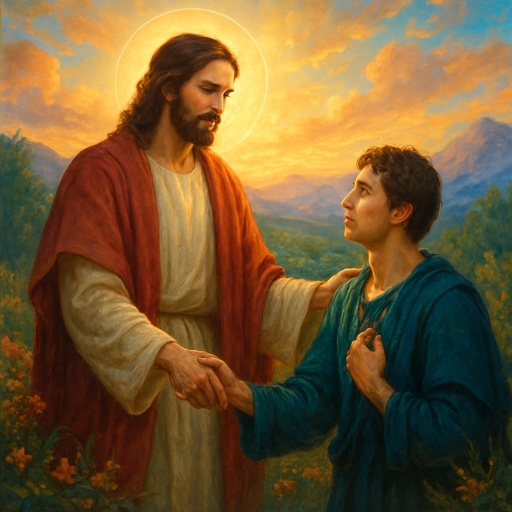
Isaiah 1:1 Artwork

Isaiah 1:1 - "The vision of Isaiah the son of Amoz, which he saw concerning Judah and Jerusalem in the days of Uzziah, Jotham, Ahaz, and Hezekiah, kings of Judah."

"The vision of Isaiah the son of Amoz, which he saw concerning Judah and Jerusalem in the days of Uzziah, Jotham, Ahaz, and Hezekiah, kings of Judah." - Isaiah 1:1

Isaiah 60:1

Isaiah 66:1-2

Isaiah 11:1

Isaiah 6:1-5

Isaiah 6:1-5

Isaiah 41

Isaiah 6:1-5

Isaiah 6:1-5

Isaiah 2:1 - "The word that Isaiah the son of Amoz saw concerning Judah and Jerusalem."

Isaiah 48

Isaiah 13:1 - "The burden of Babylon, which Isaiah the son of Amoz did see."

Isiah 61:1-3 Isaiah 61:1-3

Isaiah 48

Isaiah 48

Isaiah 48:5

Isaiah 41:10

Isaiah 12:2

Isaiah 64:8

Isaiah 43:2

Isaiah 40:4

Isaiah 24:1

Isaiah 24:1

isaiah 43:1

isaiah 53 1

Isaiah 6:1

Isaiah 66:1

Isaiah 56:3-5
Isaiah 41:10