The Power of Desolation and the Promise of Deliverance
"That made the world as a wilderness, and destroyed the cities thereof; that opened not the house of his prisoners?" - Isaiah 14:17
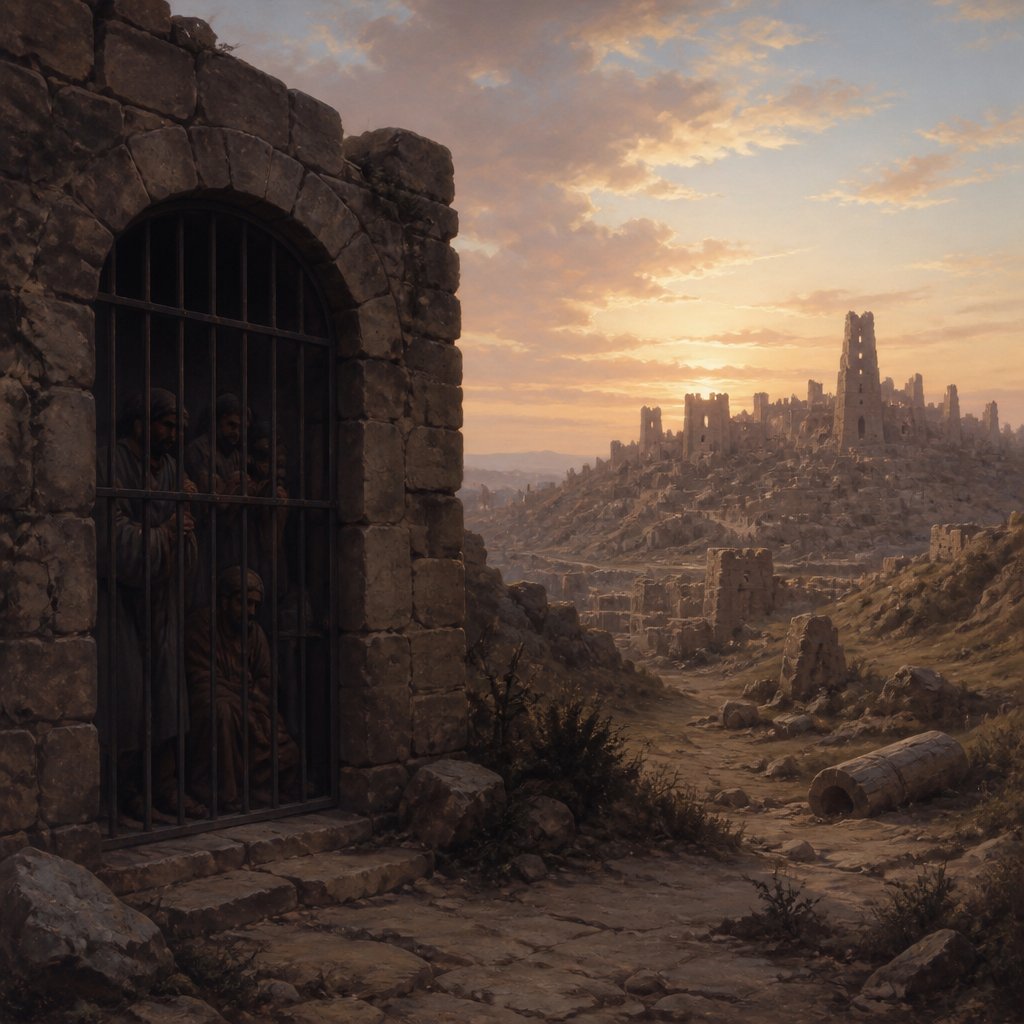
Isaiah 14:17 says, “That made the world as a wilderness, and destroyed the cities thereof; that opened not the house of his prisoners?” This particular verse emerges from a chapter in which the prophet Isaiah is delivering a poignant message. It is part of the prophecy against Babylon, a representation of pride and oppression. Babylon is depicted as a destroyer, a force that brings desolation upon the Earth and subjugates its inhabitants. As we explore this verse, we are reminded of the deeper themes of ruin contrasted against the backdrop of ultimate restoration.
The imagery of a wilderness evokes a sense of emptiness, loss, and despair. A wilderness, unlike a flourishing garden, is a symbol of chaos and unfulfilled potential. In our lives, we can find ourselves in situations that feel barren—a wilderness of disappointment, broken dreams, and unheeded prayers. There are seasons when it seems as if the flourishing places of our lives have been reduced to desolation, much like cities destroyed in battle. Just as Babylon did not open the house of its prisoners, there are forces in our world that seek to keep us shackled to our circumstances, preventing our escape into freedom.
These words resonate with many who experience hardships. There are moments when we feel the weight of oppression—whether it be physical, emotional, or spiritual. The world can feel like a hostile wilderness, and we may mirror the imprisoned state described by Isaiah, trapped in cycles of despair, unable to see a path toward liberation. The enemy of our souls often seeks to minimize hope, keeping the doors locked, ensuring that we remain in the grip of our pain. But Isaiah’s words bear a dual significance.
While they chronicle the heartache and ruin brought about by sin and folly in our world, they also point to the righteous judgement of God upon those entities that bring about destruction. However, this desolation also acts as a canvas upon which the grace and mercy of God can paint a new narrative. The God we serve is not only aware of our wilderness; He promises that it is not the end of the story.
In the Gospel of Luke, we witness the ministry of Christ, who opens the eyes of the blind, sets the captives free, and proclaims the favorable year of the Lord. Christ embodies the reversal of desolation. Where there is wilderness, He brings streams of water (Isaiah 41:17-18). Where cities are destroyed, Jesus establishes a kingdom that cannot be shaken (Hebrews 12:28). The imprisonment of our souls by sin, shame, or despair is met with the key to the kingdom that Christ holds—the promise of forgiveness and redemption.
Reflecting on Isaiah 14:17 challenges us to identify our own wildernesses. Are there areas of our lives that feel desolate? Have we allowed circumstances to confine us in a prison of despair? In Christ, we find both the acknowledgment of our ruined states and the assurance of hope. He calls us to look beyond the wilderness to the flourishing life He offers.
As we ponder the wider implications of this verse, let us also remember that although the world may set against us, we are not prisoners to despair. Our God is a liberator. He not only can unlock our prison doors, but He also invites us to lay down our burdens at His feet (Matthew 11:28). Let us embrace this truth with hearts of gratitude—acknowledging the desolation while also celebrating the hope of restoration and new beginnings. God is in the business of transforming wilderness into gardens of hope, and He desires to do the same in our lives.
In closing, let us take comfort in knowing that even amidst desolation, God is present, working for our good, and ensuring that every prisoner can find their way home.
Want to reflect more on Isaiah 14:17?
Continue your spiritual journey with Bible Chat — an AI-powered tool for exploring God's Word through conversation. Ask questions, discover connections, and deepen your understanding.
Get Our Apps


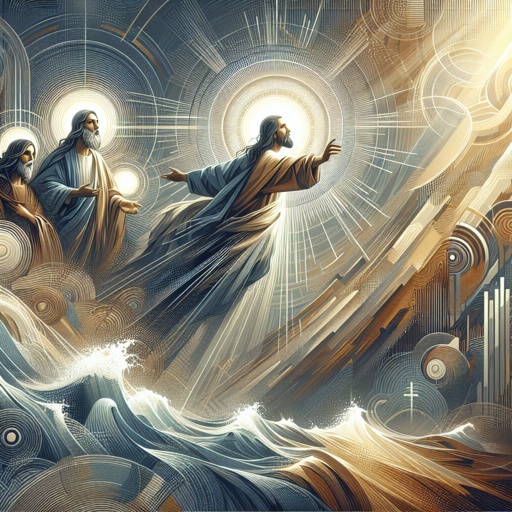
Isaiah 14:17 Artwork

Isaiah 14:17 - "That made the world as a wilderness, and destroyed the cities thereof; that opened not the house of his prisoners?"
"That made the world as a wilderness, and destroyed the cities thereof; that opened not the house of his prisoners?" - Isaiah 14:17
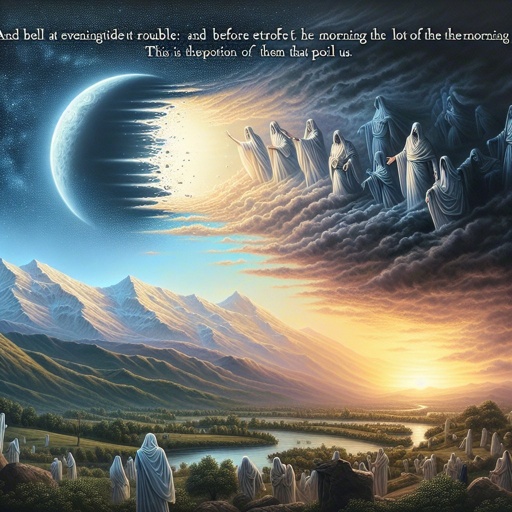
Isaiah 17:14 - "And behold at eveningtide trouble; and before the morning he is not. This is the portion of them that spoil us, and the lot of them that rob us."
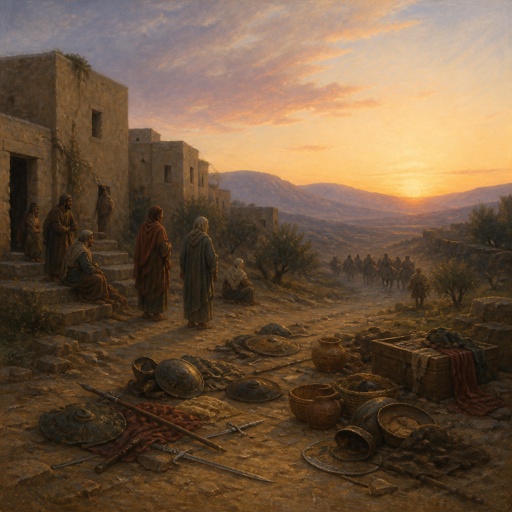
"And behold at eveningtide trouble; and before the morning he is not. This is the portion of them that spoil us, and the lot of them that rob us." - Isaiah 17:14

Isaiah 54:17

Isaiah 54:17

Isaiah 38:17

Isaiah 14:12

isaiah 5:14

Isaiah 14:25

Isaiah 14:14 - "I will ascend above the heights of the clouds; I will be like the most High."

Revelation 17:14

Revelation 17:14

Acts 14:17

Revelation 17:14

Genesis 17-14

Revelation 17:14

Revelation 17:14

Matthew 17:14-21
John 14:16-17

Isaiah 14:28 - "In the year that king Ahaz died was this burden."

Mark 14:17 - "And in the evening he cometh with the twelve."

Matthew 17:14-15

Isaiah 24:17 - "Fear, and the pit, and the snare, are upon thee, O inhabitant of the earth."

Deuteronomy 14:17 - "And the pelican, and the gier eagle, and the cormorant,"

Isaiah 32:17 - "And the work of righteousness shall be peace; and the effect of righteousness quietness and assurance for ever."

Isaiah 14:7 - "The whole earth is at rest, and is quiet: they break forth into singing."

Exodus 13:17-14:29

Isaiah 14:5 - "The LORD hath broken the staff of the wicked, and the sceptre of the rulers."

Isaiah 22:17 - "Behold, the LORD will carry thee away with a mighty captivity, and will surely cover thee."