The Coming Day of the Lord: A Call to Holiness
"Behold, the day of the LORD cometh, cruel both with wrath and fierce anger, to lay the land desolate: and he shall destroy the sinners thereof out of it." - Isaiah 13:9
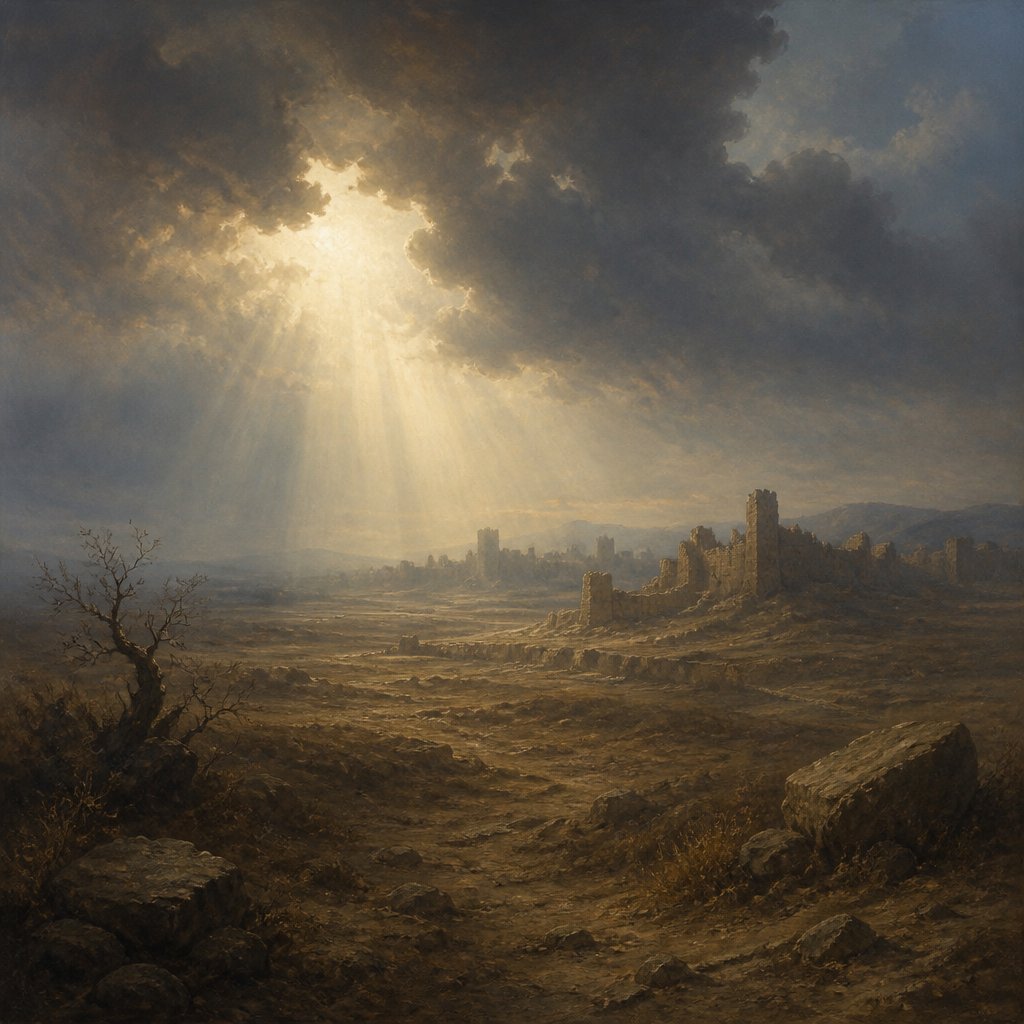
The prophecy in Isaiah 13:9 states, "Behold, the day of the LORD cometh, cruel both with wrath and fierce anger, to lay the land desolate: and he shall destroy the sinners thereof out of it." This verse captures the essence of God’s righteous judgment against sin and calls for a sobering reflection on the state of our hearts and actions.
As we delve into this scripture, we are confronted with a vivid picture of the day when God's justice will be fully realized. The phrase "the day of the LORD" signifies a time of divine intervention, a moment when God's patience with sin comes to an end, and His holiness demands a response. Isaiah paints a gravity-laden scene, describing not only the destruction that will come as a result of God’s judgment but also the demeanor with which it will come—"cruel... with wrath and fierce anger."
Throughout the Bible, the notion of God's wrath is not merely about punishment; rather, it speaks to the seriousness with which God views sin. His anger is a response to the violation of His holy nature and the harm it causes to His creation. In our modern culture, where grace is often emphasized to the exclusion of accountability, Isaiah's words serve as a necessary reminder of the cost of sin. To be desolate—a state of emptiness and destruction—underscores the severity of God's judgment against those who choose to rebel against Him.
However, such harsh realities are not solely intended to instill fear but to awaken us from complacency and lead us to repentance. The mention of sinners being destroyed calls to attention the individual responsibility of each person. It is a warning that we are not exempt from the consequences of our actions; we must examine ourselves before the Holy One of Israel. Are we living in harmony with God’s standards, or are we allowing sin to take root in our lives?
Isaiah’s proclamation invites us to reflect on our relationship with God. When we consider the fierceness of His anger toward sin, we must acknowledge that God’s holiness cannot coexist with rebellion. This revelation brings us to our knees, not only in repentance but in gratitude for the grace extended through Jesus Christ. While Isaiah forebodes the day of judgment, we, living under the new covenant, rest in the assurance that salvation has been made available to us through faith in Christ. He took upon Himself the wrath that we rightly deserved. He bore our griefs and carried our sorrows, transforming death into life (Isaiah 53:4-5).
Currently, we live between the already and the not yet—the realm of grace and the promise of judgment to come. This duality encourages us to pursue holiness out of love and reverence for our Savior. Let Isaiah’s warning stir us to action. We must not allow the grace we’ve received to tempt us into a careless attitude toward sin. Instead, let us seek to align our lives with the heart of God. As 1 Peter 1:16 reminds us, "Because it is written, Be ye holy; for I am holy."
In summary, Isaiah 13:9 serves as more than a mere warning; it’s an invitation to a deeper relationship with God. As we behold the day of the LORD, let us examine our lives, purging that which is unholy, and embracing the grace that leads us to repentance. Allow this understanding of His wrath to push us toward fervent prayer, passionate worship, and unwavering commitment to His Word. May our hearts reflect not just fear of judgment but love for the Righteous Judge who desires to see us flourish in holiness.
Want to reflect more on Isaiah 13:9?
Continue your spiritual journey with Bible Chat — an AI-powered tool for exploring God's Word through conversation. Ask questions, discover connections, and deepen your understanding.
Get Our Apps


Isaiah 13:9 Artwork

Isaiah 13:9 - "Behold, the day of the LORD cometh, cruel both with wrath and fierce anger, to lay the land desolate: and he shall destroy the sinners thereof out of it."
"Behold, the day of the LORD cometh, cruel both with wrath and fierce anger, to lay the land desolate: and he shall destroy the sinners thereof out of it." - Isaiah 13:9

Isaiah 9:13 - "¶ For the people turneth not unto him that smiteth them, neither do they seek the LORD of hosts."
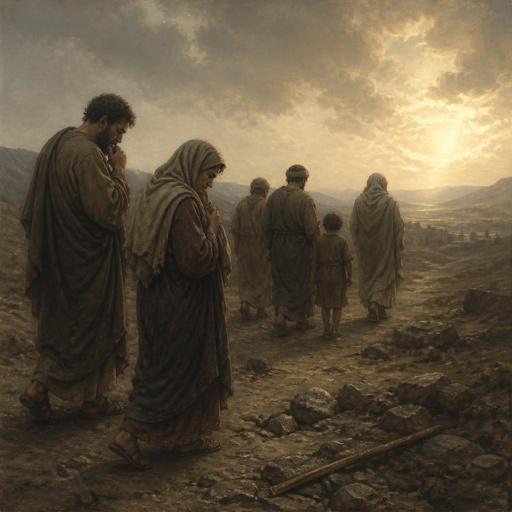
"¶ For the people turneth not unto him that smiteth them, neither do they seek the LORD of hosts." - Isaiah 9:13

Isaiah 13:1 - "The burden of Babylon, which Isaiah the son of Amoz did see."

Isaiah 41:13

isaiah 6:13

Isaiah 9:6

Isaiah 9:6

Isaiah 9:6

Isaiah 9:6

Isaiah 50:7–9

Isaiah 11:1-9

Isaiah 11:1-9

Isaiah 9:1-4

Isaiah 11:1-9

Isaiah 9:9 - "And all the people shall know, even Ephraim and the inhabitant of Samaria, that say in the pride and stoutness of heart,"

"The burden of Babylon, which Isaiah the son of Amoz did see." - Isaiah 13:1

Rev 9:13

Genesis 9:13

Isaiah 10:9 - "Is not Calno as Carchemish? is not Hamath as Arpad? is not Samaria as Damascus?"

Isaiah 3:13 - "The LORD standeth up to plead, and standeth to judge the people."

Isaiah 13:13 - "Therefore I will shake the heavens, and the earth shall remove out of her place, in the wrath of the LORD of hosts, and in the day of his fierce anger."

Isaiah 63:13 - "That led them through the deep, as an horse in the wilderness, that they should not stumble?"

Isaiah 16:13 - "This is the word that the LORD hath spoken concerning Moab since that time."

Isaiah 30:9 - "That this is a rebellious people, lying children, children that will not hear the law of the LORD:"

Luke 13:6-9

Isaiah 9:16 - "For the leaders of this people cause them to err; and they that are led of them are destroyed."

Isaiah 19:9 - "Moreover they that work in fine flax, and they that weave networks, shall be confounded."

Isaiah 9:8 - "¶ The Lord sent a word into Jacob, and it hath lighted upon Israel."