The Cost of Disobedience: Understanding Lo-ammi
"Then said God, Call his name Lo-ammi: for ye are not my people, and I will not be your God." - Hosea 1:9
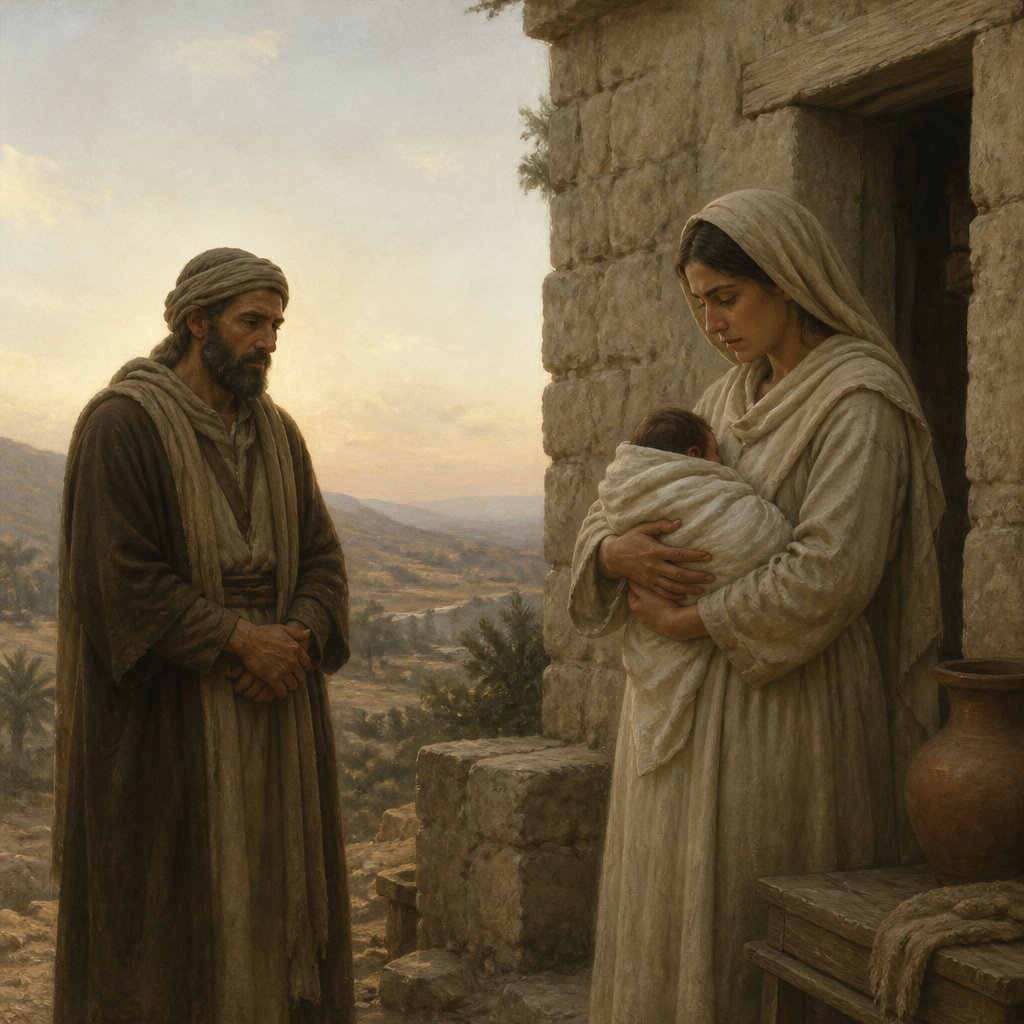
**Introduction**
In the tapestry of Scripture, some threads resonate deeply due to their depth and intensity. Hosea 1:9 is one of those threads, woven with profound implications and poignant truths: "Then said God, Call his name Lo-ammi: for ye are not my people, and I will not be your God." This declaration from God reflects a moment of divine disillusionment with Israel, marked by their persistent infidelity and waywardness.
**The Context of Hosea**
To fully grasp the weight of this verse, we need to consider the context in which it is situated. Hosea prophesied during a tumultuous time in Israel’s history, a period characterized by moral decay, idolatry, and social injustice. The northern kingdom of Israel had strayed far from the covenant they had with the Lord; they had embraced Baal worship, relying on foreign alliances rather than trusting in the God who had delivered them from bondage in Egypt. God’s heart ached for His chosen people, yet their actions spoke volumes about their commitment to Him.
**The Name Lo-ammi**
The name “Lo-ammi,” translating to “not my people,” serves as a stark reminder of the covenant relationship that existed between God and Israel. To be called God’s people meant living within the bounds of His commandments and experiencing His blessings. However, the starkness of the name signifies a severance of that relationship due to disobedience. The Israelites were not merely forgetting the law; they were actively choosing to rebel against the very nature of their God.
**Divine Disappointment**
When God states, "for ye are not my people, and I will not be your God," it’s a declaration rooted in deep disappointment. God is a relational being; He desires connection—not mere rituals or outward obedience but a heartfelt, transformative relationship. This scripture reflects a heartbreaking moment where God, the bridegroom, sees the unfaithfulness of His bride and has no choice but to acknowledge that she has turned away from Him. The emotional weight of this verse should bring us to our knees. It serves as a warning about the dangers of complacency and spiritual infidelity.
**Reflecting on Our Relationship**
As believers today, we must pause and reflect: how easy it is for us to fall into a pattern where God is no longer our primary focus. Just as Israel turned to idols, we too can inadvertently elevate the desires of our hearts, our ambitions, and even relationships above our relationship with God. Like a loving parent, God disciplines those whom He loves. His declaration through Hosea wasn't meant to reject but to awaken a sense of urgency. It calls us to self-examination—are we nurturing our relationship with God, or are we allowing distractions to pull us away from Him?
**The Hope Beyond Lo-ammi**
Yet, even within the parameters of such a severe statement, the story of Hosea doesn’t end in hopelessness. The following chapters reveal God’s relentless love and mercy; He ultimately promises restoration. In Hosea 2:23, He declares, "And I will sow her unto me in the earth; and I will have mercy upon her that had not obtained mercy; and I will say to them which were not my people, Thou art my people; and they shall say, Thou art my God."
This promise of reconciliation reminds us that while we may stray, God is always ready to welcome us back with open arms. Even in our darkest moments of disobedience, His grace prevails, emphasizing that though we may face consequences for our unfaithfulness, His desire is for us to return to Him. We serve a God who is not only faithful in discipline but also outrageously merciful in redemption.
**Conclusion**
Hosea 1:9, therefore, stands as a stark reminder of the cost of disobedience in our relationship with God. Yet, it is also a clarion call to return to the heart of our Father—one who longs for us to be His people and to call Him our God. Let us heed the warnings, embrace His discipline, and continually pursue a deeper, more authentic relationship, so that we may proudly bear the name of God’s people once again.
Want to reflect more on Hosea 1:9?
Continue your spiritual journey with Bible Chat — an AI-powered tool for exploring God's Word through conversation. Ask questions, discover connections, and deepen your understanding.
Get Our Apps


Hosea 1:9 Artwork

Hosea 1:9 - "Then said God, Call his name Lo-ammi: for ye are not my people, and I will not be your God."
"Then said God, Call his name Lo-ammi: for ye are not my people, and I will not be your God." - Hosea 1:9

Hosea 9:1 - "Rejoice not, O Israel, for joy, as other people: for thou hast gone a whoring from thy God, thou hast loved a reward upon every cornfloor."

Hosea 9:9 - "They have deeply corrupted themselves, as in the days of Gibeah: therefore he will remember their iniquity, he will visit their sins."

Hosea 13:9 - "¶ O Israel, thou hast destroyed thyself; but in me is thine help."

Hosea 9:5 - "What will ye do in the solemn day, and in the day of the feast of the LORD?"
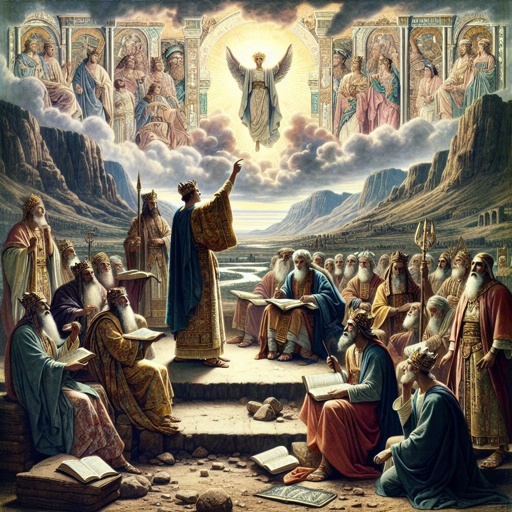
Hosea 1:1 - "The word of the LORD that came unto Hosea, the son of Beeri, in the days of Uzziah, Jotham, Ahaz, and Hezekiah, kings of Judah, and in the days of Jeroboam the son of Joash, king of Israel."

Hosea 1:2 - "The beginning of the word of the LORD by Hosea. And the LORD said to Hosea, Go, take unto thee a wife of whoredoms and children of whoredoms: for the land hath committed great whoredom, departing from the LORD."

Hosea 9:2 - "The floor and the winepress shall not feed them, and the new wine shall fail in her."

Hosea 1:2

Hosea 3:1

Hosea 6:9 - "And as troops of robbers wait for a man, so the company of priests murder in the way by consent: for they commit lewdness."

Hosea 8:9 - "For they are gone up to Assyria, a wild ass alone by himself: Ephraim hath hired lovers."

Hosea 1:2

Hosea 9:3 - "They shall not dwell in the LORD'S land; but Ephraim shall return to Egypt, and they shall eat unclean things in Assyria."

Hosea 9:11 - "As for Ephraim, their glory shall fly away like a bird, from the birth, and from the womb, and from the conception."

Hosea 4:9 - "And there shall be, like people, like priest: and I will punish them for their ways, and reward them their doings."

Hosea 9:13 - "Ephraim, as I saw Tyrus, is planted in a pleasant place: but Ephraim shall bring forth his children to the murderer."

Hosea 9:17 - "My God will cast them away, because they did not hearken unto him: and they shall be wanderers among the nations."

Hosea 9:8 - "The watchman of Ephraim was with my God: but the prophet is a snare of a fowler in all his ways, and hatred in the house of his God."

Hosea 3:1-5

Hosea 5:9 - "Ephraim shall be desolate in the day of rebuke: among the tribes of Israel have I made known that which shall surely be."
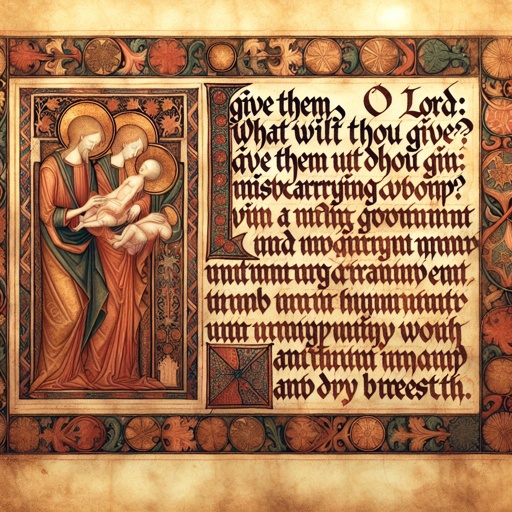
Hosea 9:14 - "Give them, O LORD: what wilt thou give? give them a miscarrying womb and dry breasts."

Hosea 7:9 - "Strangers have devoured his strength, and he knoweth it not: yea, gray hairs are here and there upon him, yet he knoweth not."

Hosea 12:9 - "And I that am the LORD thy God from the land of Egypt will yet make thee to dwell in tabernacles, as in the days of the solemn feast."

Hosea 10:9 - "O Israel, thou hast sinned from the days of Gibeah: there they stood: the battle in Gibeah against the children of iniquity did not overtake them."

Hosea 1:2-11;2:14;3:5
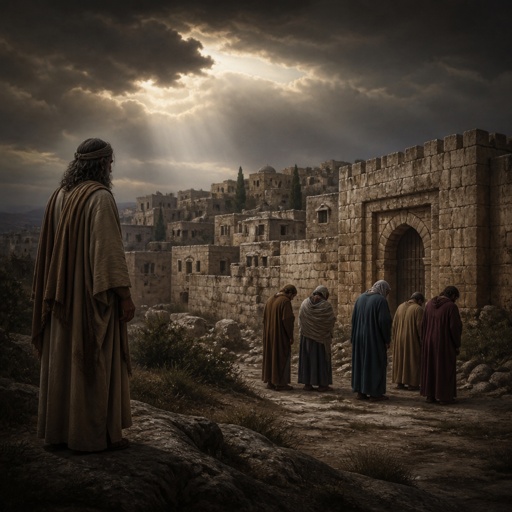
"They have deeply corrupted themselves, as in the days of Gibeah: therefore he will remember their iniquity, he will visit their sins." - Hosea 9:9

Hosea 9:7 - "The days of visitation are come, the days of recompence are come; Israel shall know it: the prophet is a fool, the spiritual man is mad, for the multitude of thine iniquity, and the great hatred."
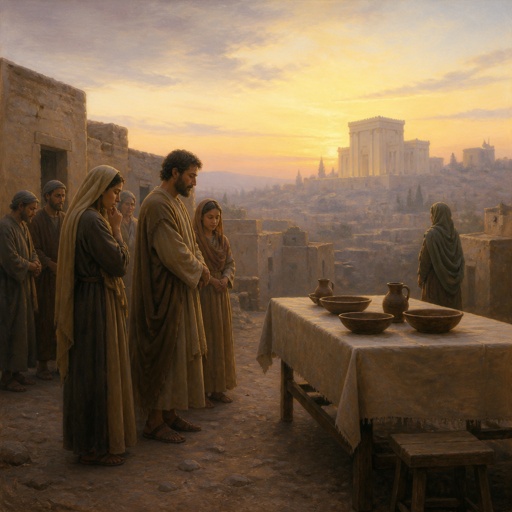
"What will ye do in the solemn day, and in the day of the feast of the LORD?" - Hosea 9:5