The Sacred Service: Understanding the Tabernacle's Role in Our Worship
"Now when these things were thus ordained, the priests went always into the first tabernacle, accomplishing the service of God." - Hebrews 9:6
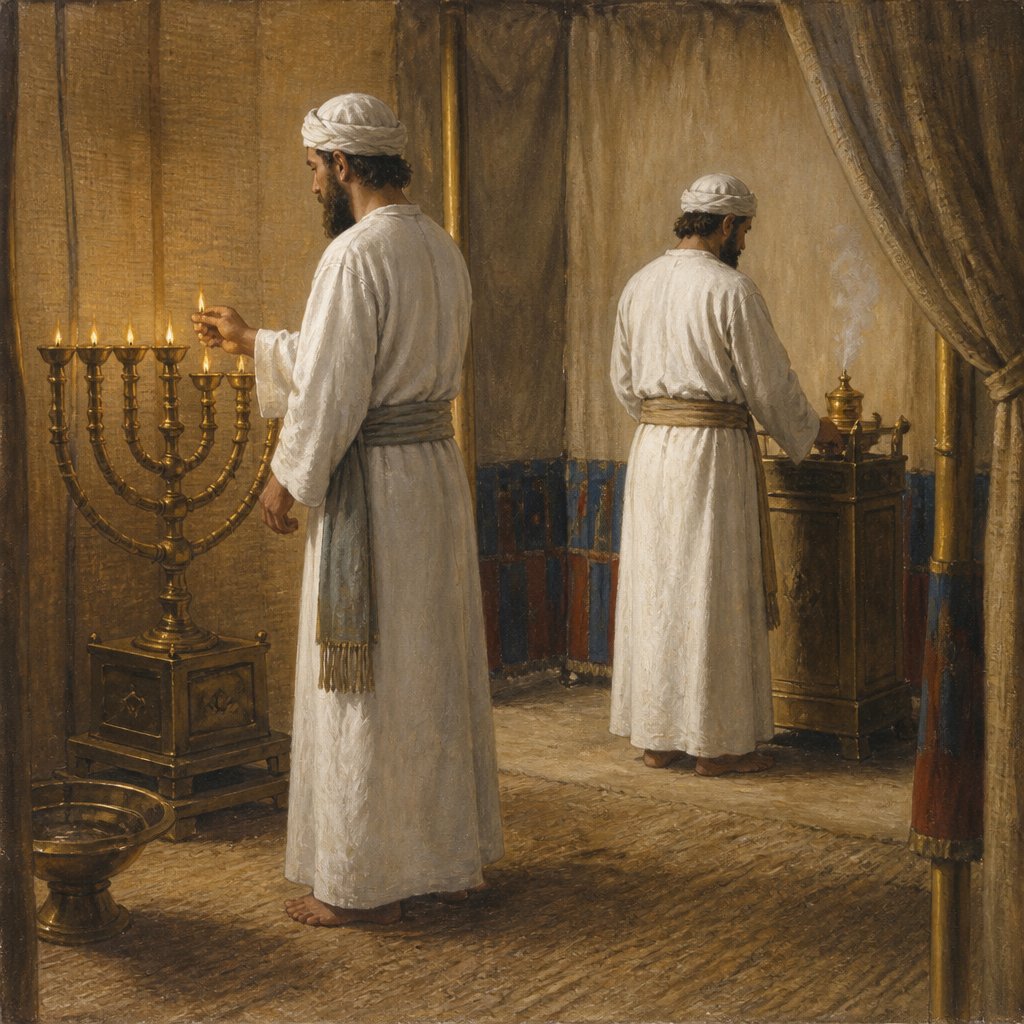
Hebrews 9:6 (KJV) states, "Now when these things were thus ordained, the priests went always into the first tabernacle, accomplishing the service of God." This verse transports us back to ancient Israel, where the tabernacle served as the sacred dwelling place of God among His people. It is within the context of the tabernacle that we can gain profound insights not only into the practices of ancient worship but also into our current relationship with God, and how we can serve Him.
To fully understand the significance of this verse, we must consider the structure and purpose of the tabernacle. It was more than just a tent or a place of worship; it was a divinely ordained structure designed by God Himself for the Israelites after their exodus from Egypt. The first tabernacle, or “the holy place,” was central to their communal life and individual spirituality.
The priests were the appointed mediators between God and the people. They had the solemn duty of entering the tabernacle to perform various rituals and sacrifices outlined in God’s law. Their continual service signified the importance of mediation — a reminder that sinful humanity requires intercession to access a holy God. As we reflect on their service, we must recognize that while the system was elaborate and involved, it pointed to a greater truth about God’s desire for relationship with us.
The priests entered the tabernacle daily, and each act of worship symbolized both obedience and reverence. Their responsibilities ranged from lighting the lamps to burning incense, each action loaded with symbolism that drew attention to God's holiness and the seriousness of sin. The rhythmic routine of their service became a beautiful picture of consistency in worship. It teaches us that God desires our dedication and commitment in serving Him in everyday life.
As we draw parallels from their service to our own lives today, we should ask ourselves: what does it mean for us to ‘accomplish the service of God’? In a new covenant established through Christ, who is our ultimate High Priest, we are called to serve in ways that reflect His love and grace. Romans 12:1 reminds us to present our bodies as living sacrifices, holy and acceptable to God, which is our reasonable service.
Service to God goes beyond church attendance or performing rituals; it encompasses every aspect of our lives. Whether in our workplaces, homes, or communities, we are called to be representatives of God's light. This devotional context emphasizes that worship is not confined to a building; instead, it's woven into the fabric of our daily interactions and how we choose to reflect Christ’s love.
Moreover, the reference to the priests entering the tabernacle ‘always’ encourages us to maintain a posture of worship throughout our day. We ought to cultivate a lifestyle where our actions, thoughts, and words are continuously aimed towards glorifying God. This consistency calls for discipline amidst life's chaos – an unwavering commitment to seek Him earnestly.
As we consider the weight of this verse, we understand that the priests’ accomplishment of God’s service was both an honor and a responsibility. Similarly, we are entrusted with the same honor today. Our lives, through Christ, become a new temple where the Holy Spirit dwells (1 Corinthians 6:19). Therefore, let us engage with this sacred space within us and purpose to serve God wholeheartedly.
In conclusion, as we meditate on Hebrews 9:6, let us cherish the privilege of ongoing service to our God, and may it transform us from the inside out as we learn from the diligent priests of old. Let us approach our service with reverence, intentionality, and joy, knowing that we are fulfilling a divine calling in a sacred partnership with our Creator.
Want to reflect more on Hebrews 9:6?
Continue your spiritual journey with Bible Chat — an AI-powered tool for exploring God's Word through conversation. Ask questions, discover connections, and deepen your understanding.
Get Our Apps


Hebrews 9:6 Artwork

Hebrews 9:6 - "Now when these things were thus ordained, the priests went always into the first tabernacle, accomplishing the service of God."
"Now when these things were thus ordained, the priests went always into the first tabernacle, accomplishing the service of God." - Hebrews 9:6

Hebrews 6:9 - "But, beloved, we are persuaded better things of you, and things that accompany salvation, though we thus speak."

Hebrews 6:1

Hebrews 6:1
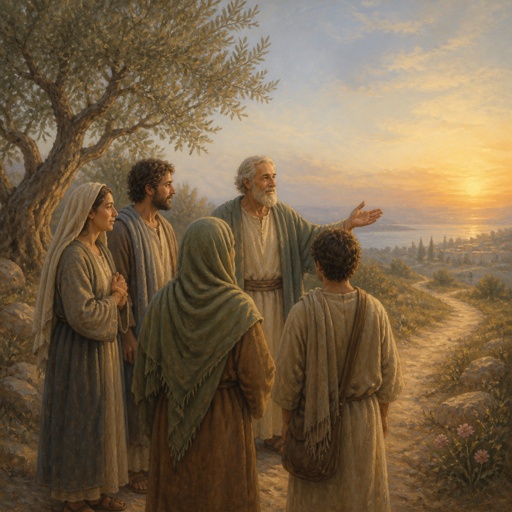
"But, beloved, we are persuaded better things of you, and things that accompany salvation, though we thus speak." - Hebrews 6:9

Hebrews 4:9 - "There remaineth therefore a rest to the people of God."

Hebrews 6:3 - "And this will we do, if God permit."

Hebrews 9:16 - "For where a testament is, there must also of necessity be the death of the testator."

Hebrews 9:18 - "Whereupon neither the first testament was dedicated without blood."

Hebrews 9:27 - "And as it is appointed unto men once to die, but after this the judgment:"

Hebrews 6:2 - "Of the doctrine of baptisms, and of laying on of hands, and of resurrection of the dead, and of eternal judgment."

Hebrews 6:5 - "And have tasted the good word of God, and the powers of the world to come,"

Hebrews 10:6 - "In burnt offerings and sacrifices for sin thou hast had no pleasure."

Hebrews 9:3 - "And after the second veil, the tabernacle which is called the Holiest of all;"

Hebrews 9:9 - "Which was a figure for the time then present, in which were offered both gifts and sacrifices, that could not make him that did the service perfect, as pertaining to the conscience;"

Hebrews 9:13 - "For if the blood of bulls and of goats, and the ashes of an heifer sprinkling the unclean, sanctifieth to the purifying of the flesh:"

Hebrews 9:20 - "Saying, This is the blood of the testament which God hath enjoined unto you."

Hebrews 9:21 - "Moreover he sprinkled with blood both the tabernacle, and all the vessels of the ministry."

"And this will we do, if God permit." - Hebrews 6:3

Hebrews 9:17 - "For a testament is of force after men are dead: otherwise it is of no strength at all while the testator liveth."

Hebrews 6:15 - "And so, after he had patiently endured, he obtained the promise."

Hebrews 9:2 - "For there was a tabernacle made; the first, wherein was the candlestick, and the table, and the shewbread; which is called the sanctuary."

Hebrews 9:1 - "Then verily the first covenant had also ordinances of divine service, and a worldly sanctuary."

Hebrews 9:22 - "And almost all things are by the law purged with blood; and without shedding of blood is no remission."

Hebrews 6:6 - "If they shall fall away, to renew them again unto repentance; seeing they crucify to themselves the Son of God afresh, and put him to an open shame."

Hebrews 3:9 - "When your fathers tempted me, proved me, and saw my works forty years."

Hebrews 12:6 - "For whom the Lord loveth he chasteneth, and scourgeth every son whom he receiveth."

Hebrews 6:8 - "But that which beareth thorns and briers is rejected, and is nigh unto cursing; whose end is to be burned."

Hebrews 6:12 - "That ye be not slothful, but followers of them who through faith and patience inherit the promises."