The Testament of Life: Understanding Our Covenant in Christ
"For a testament is of force after men are dead: otherwise it is of no strength at all while the testator liveth." - Hebrews 9:17
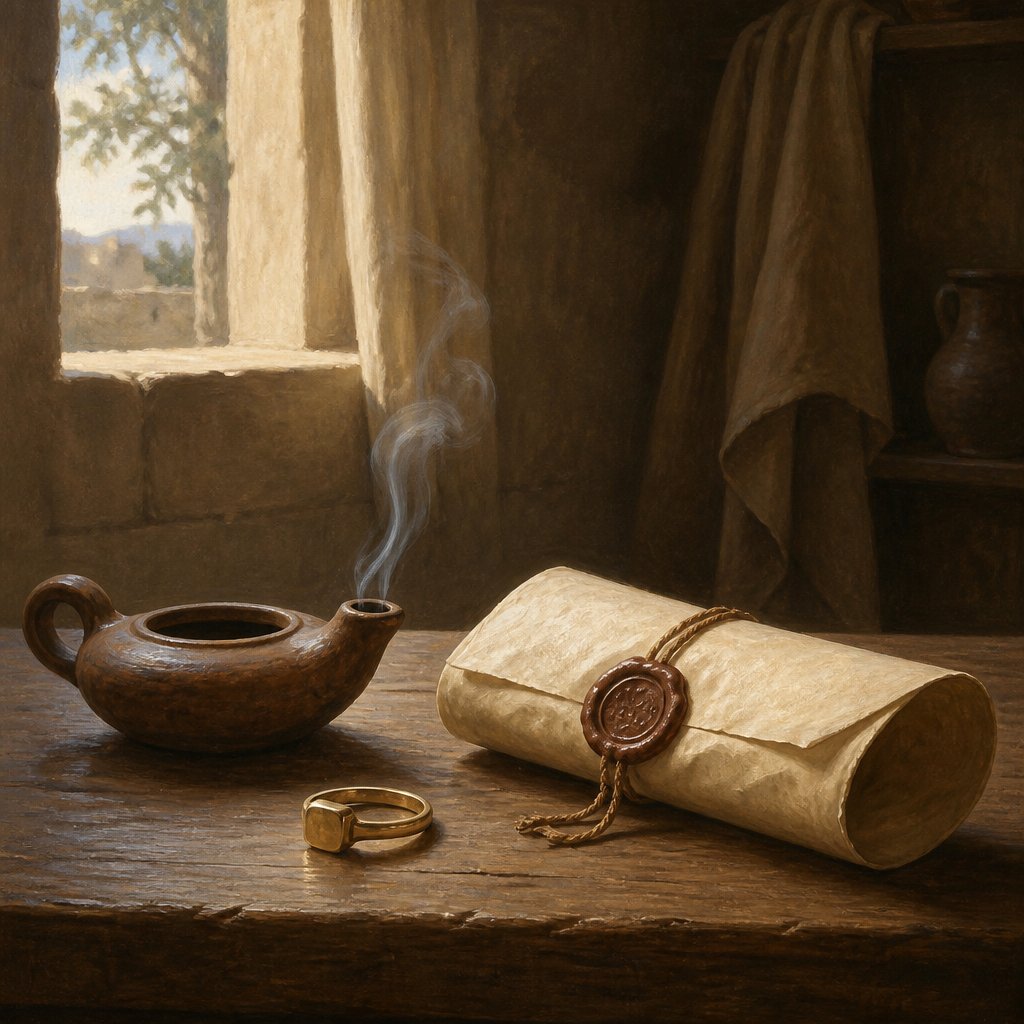
Hebrews 9:17 (KJV) states, "For a testament is of force after men are dead: otherwise it is of no strength at all while the testator liveth." This verse, though nestled within the context of the New Covenant and the sacrificial system, holds profound implications for our understanding of the Christian faith and our relationship with Christ, the ultimate Testator.
When we delve into the meaning of a testament, we recognize it as a covenant, a promise or agreement that specifies the conditions under which benefits will be bestowed. In ancient times, a will or testament would only come into effect upon the death of the individual who created it—the testator. This ensures that the legacy and promises made are irrevocable and binding once the testator has passed. The importance of this cannot be overstated as it highlights the gravity and permanence of one’s legacy.
In the context of Hebrews, the author draws a distinct parallel between human testaments and Christ’s sacrificial death. Until the death of Jesus, the New Testament—our new covenant—was not fully activated. His death was not merely an event in history; it was the divine appointment necessary for the establishment of a promised inheritance to all believers.
The active work of Christ upon the Cross transformed the nature of our relationship with God. No longer were we bound by the law and its demands; instead, we became heirs of grace and mercy through faith in Jesus. The death of our Testator enabled this transition from the old covenant, marked by the blood of animals and the imperfection of the law, to the new covenant, sealed by Christ's own blood. Thus, it is through His death that the inheritance of eternal life and the promise of salvation could be made fully available to all who believe.
One of the most profound implications of Hebrews 9:17 is the invitation to reflect on the nature of our inheritance in Christ as we consider the death that brought it into force. The inheritance we receive through Christ is not one of material wealth or earthly possessions; instead, it encompasses rich blessings such as forgiveness, eternal life, transformation, and a relationship with the Father. Colossians 1:12-14 tells us, "Giving thanks unto the Father, which hath made us meet to be partakers of the inheritance of the saints in light: Who hath delivered us from the power of darkness, and hath translated us into the kingdom of his dear Son: In whom we have redemption through his blood, even the forgiveness of sins."
Furthermore, as we sit in contemplation of this inheritance, let us not forget the significance of being partakers of this covenant. The very act of believing in Christ requires us to acknowledge His death and resurrection, embracing the reality that we are united with Him in likeness. Romans 6:4 reminds us, "Therefore we are buried with him by baptism into death: that like as Christ was raised up from the dead by the glory of the Father, even so we also should walk in newness of life." The death of Christ thus becomes not just a historical fact, but a transformative reality that redefines how we live our daily lives.
As we relish in the comfort of being heirs of such a magnificent inheritance, we find ourselves called to share the message of this testament. It is vital for us to live with the understanding that others need to know of this covenant available through Christ. We are entrusted with the duty to reach out to the lost, sharing the good news that they, too, can experience the life-changing power of this testament.
Let this truth resonate within us: The testament given through Christ's sacrifice is not one of mere words, but a living promise made effective through His death. As we embrace this in our hearts, let us live in light of His reality and share the incredible gift we have received, ensuring that while the Testator has passed, His promises endure forever.
Want to reflect more on Hebrews 9:17?
Continue your spiritual journey with Bible Chat — an AI-powered tool for exploring God's Word through conversation. Ask questions, discover connections, and deepen your understanding.
Get Our Apps


Hebrews 9:17 Artwork

Hebrews 9:17 - "For a testament is of force after men are dead: otherwise it is of no strength at all while the testator liveth."
"For a testament is of force after men are dead: otherwise it is of no strength at all while the testator liveth." - Hebrews 9:17

Hebrews 10:17 - "And their sins and iniquities will I remember no more."

Hebrews 4:9 - "There remaineth therefore a rest to the people of God."

Hebrews 7:17 - "For he testifieth, Thou art a priest for ever after the order of Melchisedec."

Hebrews 9:16 - "For where a testament is, there must also of necessity be the death of the testator."

Hebrews 9:18 - "Whereupon neither the first testament was dedicated without blood."

Hebrews 9:27 - "And as it is appointed unto men once to die, but after this the judgment:"
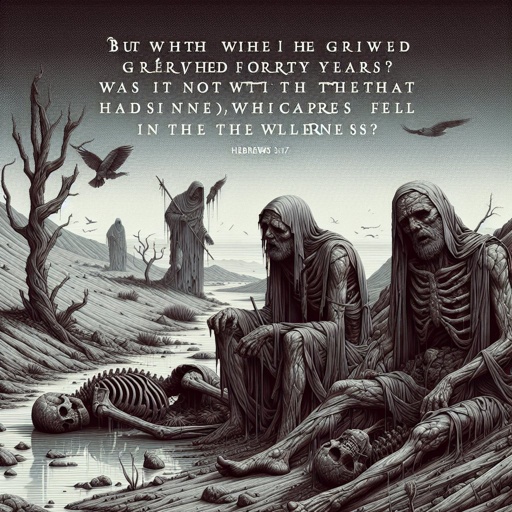
Hebrews 3:17 - "But with whom was he grieved forty years? was it not with them that had sinned, whose carcases fell in the wilderness?"

Hebrews 9:3 - "And after the second veil, the tabernacle which is called the Holiest of all;"
"And their sins and iniquities will I remember no more." - Hebrews 10:17

Hebrews 9:9 - "Which was a figure for the time then present, in which were offered both gifts and sacrifices, that could not make him that did the service perfect, as pertaining to the conscience;"

Hebrews 9:13 - "For if the blood of bulls and of goats, and the ashes of an heifer sprinkling the unclean, sanctifieth to the purifying of the flesh:"

Hebrews 9:20 - "Saying, This is the blood of the testament which God hath enjoined unto you."

Hebrews 9:21 - "Moreover he sprinkled with blood both the tabernacle, and all the vessels of the ministry."

Hebrews 7:17 - "For he testifieth, Thou art a priest for ever after the order of Melchisedec."
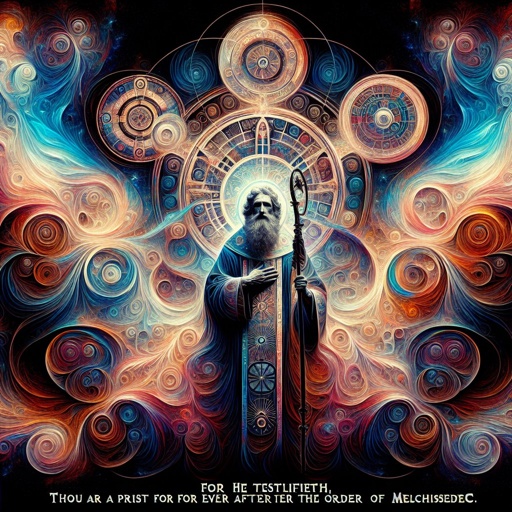
Hebrews 7:17 - "For he testifieth, Thou art a priest for ever after the order of Melchisedec."

Hebrews 9:2 - "For there was a tabernacle made; the first, wherein was the candlestick, and the table, and the shewbread; which is called the sanctuary."

Hebrews 9:1 - "Then verily the first covenant had also ordinances of divine service, and a worldly sanctuary."

Hebrews 9:22 - "And almost all things are by the law purged with blood; and without shedding of blood is no remission."

Hebrews 6:17 - "Wherein God, willing more abundantly to shew unto the heirs of promise the immutability of his counsel, confirmed it by an oath:"

Hebrews 3:9 - "When your fathers tempted me, proved me, and saw my works forty years."

Hebrews 9:5 - "And over it the cherubims of glory shadowing the mercyseat; of which we cannot now speak particularly."
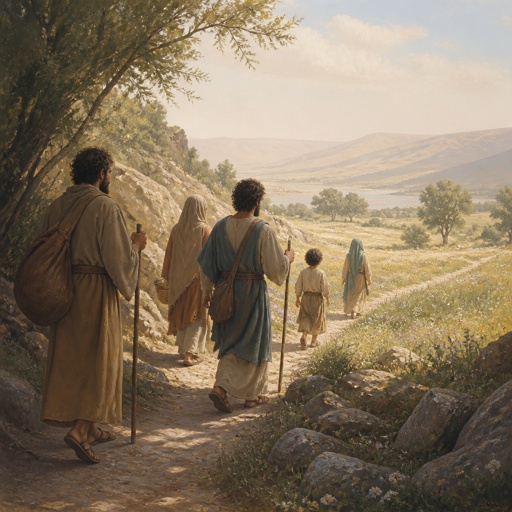
"There remaineth therefore a rest to the people of God." - Hebrews 4:9

Hebrews 6:9 - "But, beloved, we are persuaded better things of you, and things that accompany salvation, though we thus speak."

Hebrews 7:9 - "And as I may so say, Levi also, who receiveth tithes, payed tithes in Abraham."

Hebrews 9:8 - "The Holy Ghost this signifying, that the way into the holiest of all was not yet made manifest, while as the first tabernacle was yet standing:"

Hebrews 9:6 - "Now when these things were thus ordained, the priests went always into the first tabernacle, accomplishing the service of God."

Hebrews 9:10 - "Which stood only in meats and drinks, and divers washings, and carnal ordinances, imposed on them until the time of reformation."

1 Samuel 9:17 - "And when Samuel saw Saul, the LORD said unto him, Behold the man whom I spake to thee of! this same shall reign over my people."