The Sonship of Christ: A Divine Declaration
"For unto which of the angels said he at any time, Thou art my Son, this day have I begotten thee? And again, I will be to him a Father, and he shall be to me a Son?" - Hebrews 1:5
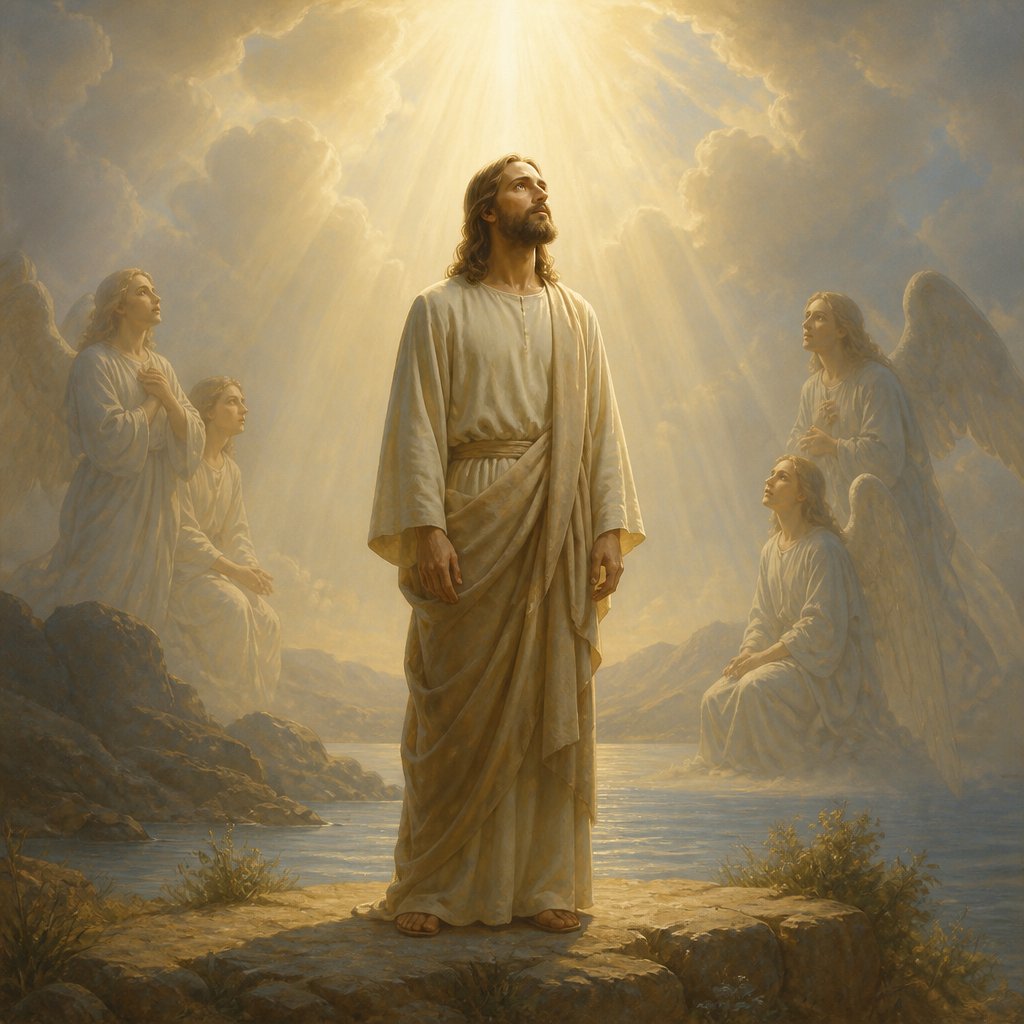
In the book of Hebrews, the writer elevates the identity of Jesus Christ, distinguishing Him by way of divine sonship and reinforcing His supremacy over angels. The verse Hebrews 1:5 proclaims, "For unto which of the angels said he at any time, Thou art my Son, this day have I begotten thee? And again, I will be to him a Father, and he shall be to me a Son?" This profound declaration does more than merely affirm Jesus’ position; it encapsulates the essence of our faith and the very nature of our relationship with God.
To explore the implications of this text, we start with what it means to be called a son in biblical terms. In the ancient Jewish context, to be called a son was far more significant than a mere label; it indicated a relationship of authority, belonging, and inheritance. When God addresses Jesus as His Son, He is affirming Jesus' unique identity and His intrinsic connection to the divine. This distinction sets Christ apart from all creation, including the angels — the messengers and servants of God.
The rhetorical question posed in the verse emphasizes a critical theological point: angels, though powerful beings created by God, do not share the same paternal relationship with Him. God has not declared them as His sons, nor have they been begotten by Him in the sense that Jesus has. This argument serves to underscore the preeminence of Christ, asserting that He is not merely another figure in the celestial hierarchy; He is the uniquely begotten Son of God. It is a pivotal affirmation of Christ’s divinity and a critical component of Christian doctrine.
Hebrews 1:5 also alludes to the prophetic works of the Old Testament, where God speaks often through His prophets and angels. By stating that none of the angels have this status, the writer of Hebrews is referencing Psalm 2:7 and 2 Samuel 7:14, which speak of God’s promise of a son. By directly quoting this scripture, the author links the Old Testament promises to their fulfillment in Jesus. The day of His begetting is significant, representing not just a moment in time but the culmination of God’s redemptive plan.
Moreover, the second part of the verse reinforces the relational aspect of God as a father. It illustrates the intimate connection between Jesus and the Father. To say, "I will be to him a Father, and he shall be to me a Son" communicates a loving relationship built on trust, authority, and familial ties. It invites Christians today to embrace their identity as adopted children of God through faith in Christ. We are brought into this family, sharing in this divine sonship because of what Christ has done. It encapsulates the essence of salvation — being united with Christ, engaging in a relationship with God that brings us into His love and purpose.
As we meditate on this powerful verse, it compels us to respond. We are invited to deepen our understanding of who Jesus is — not only as a historic figure but as the living Son of God, intimately connected to each of us through His sacrifice. It leads us to worship with reverence and awe, acknowledging His sovereignty and love. This acknowledgment transforms our lives, positioning us not as mere subjects of a king but as cherished children of our Heavenly Father.
Ultimately, Hebrews 1:5 is a call to recognize the unparalleled identity of Christ that shapes our faith, anchors our hope, and inspires our worship. It challenges us to ask ourselves: Are we living in the fullness of this identity as sons and daughters of God? Are we drawing nearer to our Father and recognizing the profound love He has for us through His Son? It is a call to embrace our sonship, basking in the truth that we belong to Him, fortified by the grace that we did not earn but was freely given.
Want to reflect more on Hebrews 1:5?
Continue your spiritual journey with Bible Chat — an AI-powered tool for exploring God's Word through conversation. Ask questions, discover connections, and deepen your understanding.
Get Our Apps


Hebrews 1:5 Artwork

Hebrews 1:5 - "For unto which of the angels said he at any time, Thou art my Son, this day have I begotten thee? And again, I will be to him a Father, and he shall be to me a Son?"
"For unto which of the angels said he at any time, Thou art my Son, this day have I begotten thee? And again, I will be to him a Father, and he shall be to me a Son?" - Hebrews 1:5

Hebrews 8:1-5

Hebrews 8:5

Hebrews 5:1 - "For every high priest taken from among men is ordained for men in things pertaining to God, that he may offer both gifts and sacrifices for sins:"

Hebrews 10:5-10

Hebrews 10:5-10

Hebrews 4:5 - "And in this place again, If they shall enter into my rest."

Hebrews 5:10 - "Called of God an high priest after the order of Melchisedec."

Hebrews 6:5 - "And have tasted the good word of God, and the powers of the world to come,"

Philippians 3:5 - "Circumcised the eighth day, of the stock of Israel, of the tribe of Benjamin, an Hebrew of the Hebrews; as touching the law, a Pharisee;"

Hebrews 1:14

Hebrews 1:14

Hebrews 5:13 - "For every one that useth milk is unskilful in the word of righteousness: for he is a babe."

Hebrews 5:4 - "And no man taketh this honour unto himself, but he that is called of God, as was Aaron."

Hebrews 5:3 - "And by reason hereof he ought, as for the people, so also for himself, to offer for sins."

Hebrews 6:1

Hebrews 2:5 - "For unto the angels hath he not put in subjection the world to come, whereof we speak."

Hebrews 9:5 - "And over it the cherubims of glory shadowing the mercyseat; of which we cannot now speak particularly."

Hebrews 6:1

Hebrews 5:5 - "So also Christ glorified not himself to be made an high priest; but he that said unto him, Thou art my Son, to day have I begotten thee."

Hebrews 5:8 - "Though he were a Son, yet learned he obedience by the things which he suffered;"

Hebrews 5:6 - "As he saith also in another place, Thou art a priest for ever after the order of Melchisedec."

Hebrews 5:11 - "Of whom we have many things to say, and hard to be uttered, seeing ye are dull of hearing."

Hebrews 5:2 - "Who can have compassion on the ignorant, and on them that are out of the way; for that he himself also is compassed with infirmity."

Hebrews 5:9 - "And being made perfect, he became the author of eternal salvation unto all them that obey him;"

Hebrews 3:5 - "And Moses verily was faithful in all his house, as a servant, for a testimony of those things which were to be spoken after;"
"And in this place again, If they shall enter into my rest." - Hebrews 4:5

Hebrews 13:1 - "Let brotherly love continue."

Hebrews 10:5 - "Wherefore when he cometh into the world, he saith, Sacrifice and offering thou wouldest not, but a body hast thou prepared me:"