The Sacrifice of Obedience: Understanding God’s Will
"Then said he, Lo, I come to do thy will, O God. He taketh away the first, that he may establish the second." - Hebrews 10:9
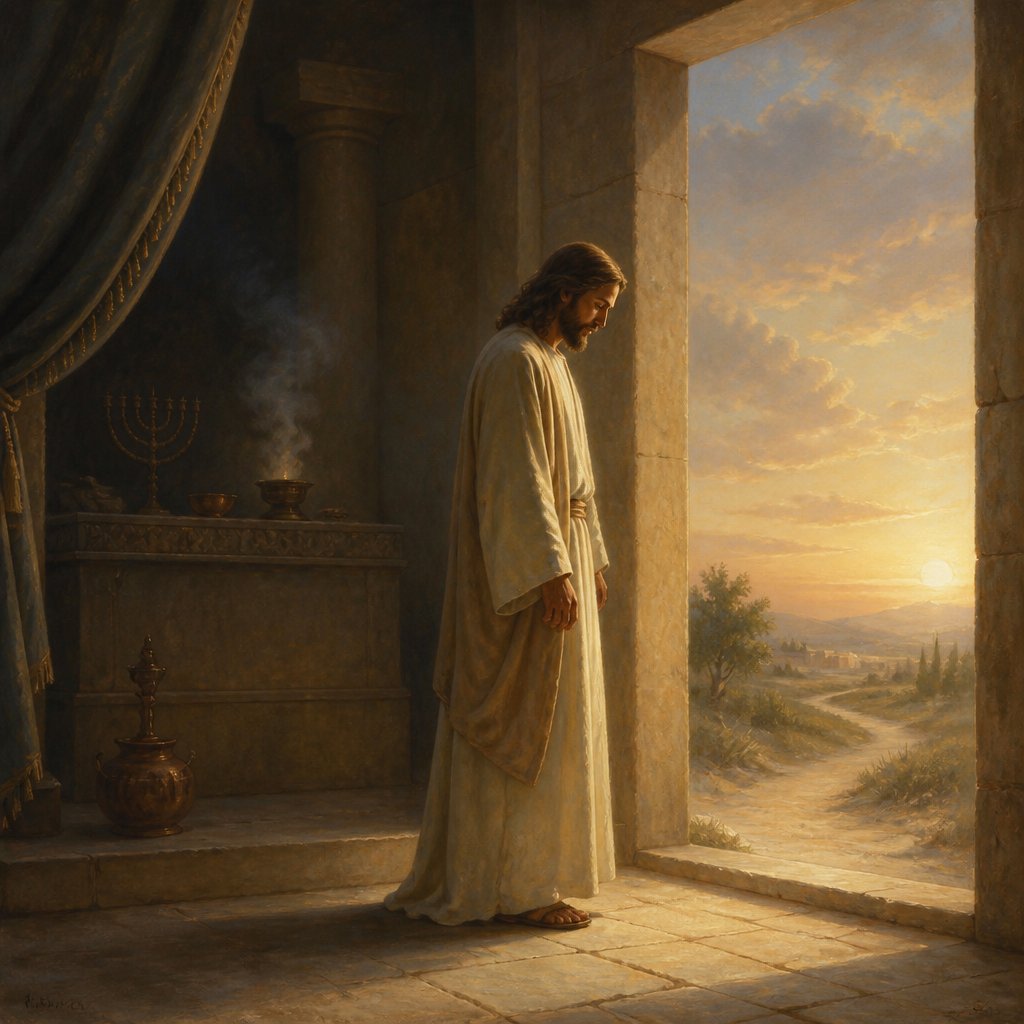
In Hebrews 10:9, we are confronted with a profound statement of purpose and obedience: "Then said he, Lo, I come to do thy will, O God. He taketh away the first, that he may establish the second." This verse is not just a historic declaration made by Christ but a clear revelation of God’s redemptive plan through the sacrifice of His Son.
To grasp the full significance of this scripture, we must first reflect on the context in which it is written. The author of Hebrews is presenting a powerful argument regarding the superiority of Christ’s sacrifice compared to the Old Testament sacrifices. The recurring theme of the book emphasizes how Christ’s offering fulfilled the law’s requirement and ushered in a new covenant; hence the phrase, "He taketh away the first, that he may establish the second."
The "first" here refers to the sacrificial system instituted under the Old Covenant, where animals were offered year after year for the sins of the people. While these sacrifices were an essential part of worship, they were ultimately insufficient and temporary; they pointed toward the need for a more profound solution. Christ’s coming into the world marked a pivotal moment in history, a fulfillment of the law and the prophecies regarding the Messiah. By stating, "Lo, I come to do thy will, O God," Jesus underscores His mission and the nature of His obedience.
Consider the enormity of this declaration. Jesus, in His earthly form, reflects perfect obedience to God’s will—that is, His willingness to lay down His life as a sacrifice for humanity’s sins. In the Garden of Gethsemane, He prayed fervently, wrestling with the impending agony of the cross yet ultimately surrendered to the Father’s will: "Not as I will, but as thou wilt" (Matthew 26:39). This illustrates the struggle and the depth of His commitment to obeying God even in the most challenging of circumstances.
The willingness to submit to God’s will is the essence of faith. When we acknowledge that God’s plans are greater than our own, we open the door to divine purpose and transformation in our lives. It is essential to recognize that God’s will may sometimes lead us through pain, suffering, and sacrifice. However, true obedience, as demonstrated by Christ, trusts in the goodness and wisdom of God.
By taking away the first, God was not discarding what was once holy. Instead, He was revealing the limitations of the former system and establishing a new way—a better promise through Jesus Christ. In Ephesians 2:8-9, we are reminded that we are saved by grace through faith, emphasizing that it is not of our works but of His will.
Reflecting on this, we may ask ourselves: are we willing to surrender our wills in the light of God’s greater purpose? Are we prepared to embrace the new that God offers us, which may require letting go of the familiar loved ones or habits? Just as Christ demonstrated the ultimate act of obedience on the cross, we too are called to live out our faith in everyday situations by submitting our desires and plans to God.
In closing, let us ponder how we can align our lives with the purpose of Christ’s obedience. As we embrace the implications of this scripture, may we be encouraged to seek God’s will above all else. When trials arise, may we echo Christ’s words, saying, "Lo, I come to do thy will, O God," trusting that His plans for us are for good, ultimately leading to our redemption and His glory. Let this verse serve as a reminder that our journey of faith is anchored in submission to God’s remarkable will.
Want to reflect more on Hebrews 10:9?
Continue your spiritual journey with Bible Chat — an AI-powered tool for exploring God's Word through conversation. Ask questions, discover connections, and deepen your understanding.
Get Our Apps


Hebrews 10:9 Artwork

Hebrews 10:9 - "Then said he, Lo, I come to do thy will, O God. He taketh away the first, that he may establish the second."
"Then said he, Lo, I come to do thy will, O God. He taketh away the first, that he may establish the second." - Hebrews 10:9

Hebrews 9:10 - "Which stood only in meats and drinks, and divers washings, and carnal ordinances, imposed on them until the time of reformation."

Hebrews 10:5-10

Hebrews 10:5-10

Hebrews 10:22

Hebrews 10:20

Hebrews 10:10 - "By the which will we are sanctified through the offering of the body of Jesus Christ once for all."

Hebrews 4:9 - "There remaineth therefore a rest to the people of God."
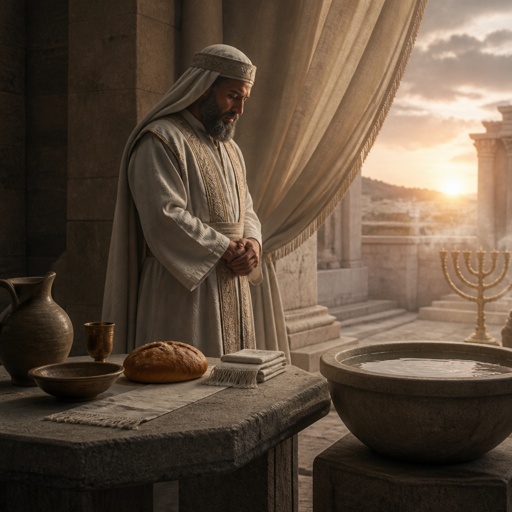
"Which stood only in meats and drinks, and divers washings, and carnal ordinances, imposed on them until the time of reformation." - Hebrews 9:10

Hebrews 10:17 - "And their sins and iniquities will I remember no more."

Hebrews 10:21 - "And having an high priest over the house of God;"

Hebrews 10:31 - "It is a fearful thing to fall into the hands of the living God."

Hebrews 9:16 - "For where a testament is, there must also of necessity be the death of the testator."

Hebrews 5:10 - "Called of God an high priest after the order of Melchisedec."

Hebrews 10:18 - "Now where remission of these is, there is no more offering for sin."

Hebrews 9:18 - "Whereupon neither the first testament was dedicated without blood."

Hebrews 9:27 - "And as it is appointed unto men once to die, but after this the judgment:"

Hebrews 10:14 - "For by one offering he hath perfected for ever them that are sanctified."

Hebrews 10:37 - "For yet a little while, and he that shall come will come, and will not tarry."

Hebrews (10:37) For just a little longer and he who is coming will arrive and not delay.

Hebrews 10:6 - "In burnt offerings and sacrifices for sin thou hast had no pleasure."

Hebrews 10:4 - "For it is not possible that the blood of bulls and of goats should take away sins."

Hebrews (10:37) For just a little longer and he who is coming will arrive and not delay.

Hebrews (10:37) For just a little longer and he who is coming will arrive and not delay.

Hebrews (10:37) For just a little longer and he who is coming will arrive and not delay.

Hebrews (10:37) For just a little longer and he who is coming will arrive and not delay.

Hebrews (10:37) For just a little longer and he who is coming will arrive and not delay.

Hebrews (10:37) For just a little longer and he who is coming will arrive and not delay.

Hebrews (10:37) For just a little longer and he who is coming will arrive and not delay.