The Symbol of Hope: Lessons from Noah’s Dove
"He waited another seven days, and again he sent forth the dove out of the ark; And the dove came in to him in the evening; and, lo, in her mouth was an olive leaf pluckt off: so Noah knew that the waters were abated from off the earth. And he stayed yet other seven days; and sent forth the dove; which returned not again unto him any more." - Genesis 8:10-12
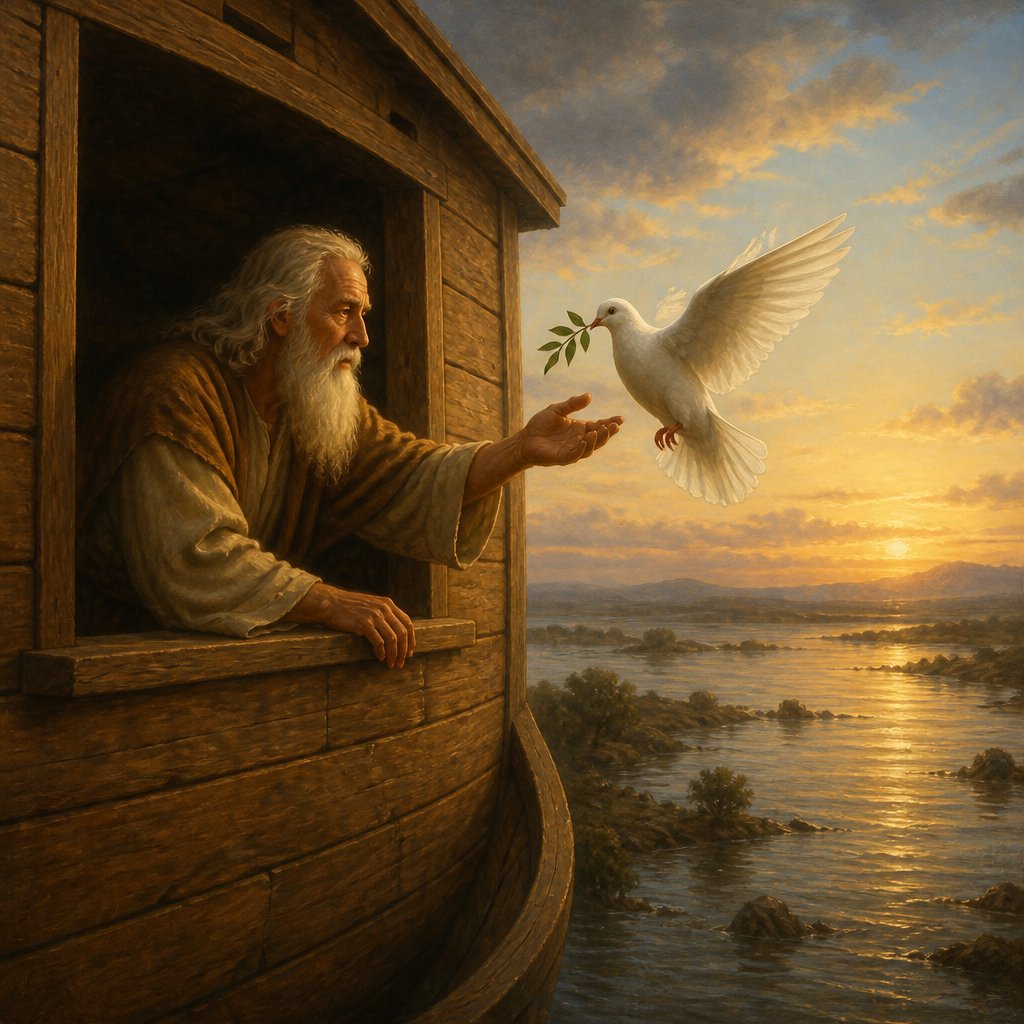
In the midst of tumultuous waters that covered the earth for months, Noah’s ark became a sanctuary of solitude and faith. Genesis 8:10-12 recounts a poignant moment in this narrative: "He waited another seven days, and again he sent forth the dove out of the ark; And the dove came in to him in the evening; and, lo, in her mouth was an olive leaf pluckt off: so Noah knew that the waters were abated from off the earth. And he stayed yet other seven days; and sent forth the dove; which returned not again unto him any more.”
This passage unfolds the story of hope amidst despair, unveiling layers of meaning that resonate with our own struggles and aspirations. Imagine Noah, confined within the ark, surrounded by the remnants of a devastated world. After weeks of silence, he sends forth the dove, symbolizing his desire for a connection to the outside world and for divine assurance. Each time he waits, he embodies a profound lesson about patience and faithfulness in uncertainty.
The first sending of the dove represents our yearning for change. It flew over the waters, searching for a sign of life, yet returned empty. How often do we step into the unknown, hoping for a breakthrough, only to return to our circumstances unchanged? This moment speaks volumes about our human experience; it teaches us to persevere despite initial setbacks. Just as Noah did not lose hope after the first return, we too must hold on, believing that God is still working, even when our immediate reality does not reflect it.
When Noah sends the dove a second time, it returns with an olive leaf—a potent symbol of peace and restoration. It signifies that life is returning and that God's promises are unfolding. This image of the olive leaf offers us solace, reminding us that after every storm, God gently leads us toward renewal. The Hebrew word for ‘olive’ is derived from a root meaning “to be fat or prosperous,” connoting the richness that God intends to restore in our lives. In our waiting seasons, we often struggle to see beyond the present difficulties. And yet, like Noah, we wait expectantly for the signs of progress.
Moreover, the third release of the dove, which does not return, symbolizes the finality of hope restored and the completion of God’s work. The dove's departure suggests that life has been rekindled to such an extent that the need for further assurances has dissipated. This can lead us to reflect on our spiritual journeys. There are moments when we must release our doubts and anxieties, trusting that we have been sufficiently equipped to rise above our challenges. God calls us to step out in faith when we are unsure, reminding us that His plans extend beyond our comprehension.
Patience is a vital virtue illustrated in this narrative. As Noah waited fifteen days—seven days between each sending of the dove—a picture of unwavering faith is painted. It’s easy to feel overwhelmed in life’s storms, but God beckons us to wait. In our waiting periods, we can develop a deeper reliance on Him, refining our character and drawing us closer to His presence.
The story of Noah and the dove reminds us that even in our darkest moments, God offers glimmers of hope. When we find ourselves shrouded by the waters of life, may we check for our own olive leaves—those moments and signs that reassure us of God’s faithfulness. Let us, like Noah, hold fast to our hope, waiting patiently for God’s timing, and trusting that every storm will eventually become calm. His promises are true, and His restoration, inevitable.
Want to reflect more on Genesis 8:10-12?
Continue your spiritual journey with Bible Chat — an AI-powered tool for exploring God's Word through conversation. Ask questions, discover connections, and deepen your understanding.
Get Our Apps


Genesis 8:10-12 Artwork
genesis 8:10-12

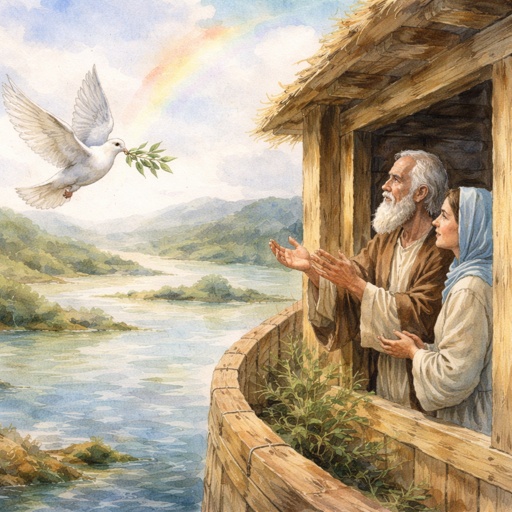
Genesis 8:10-12 - "He waited another seven days, and again he sent out the dove from the ark. When the dove returned to him in the evening, there in its beak was a freshly plucked olive leaf! Then Noah knew that the water had receded from the earth. He waited seven more days and sent the dove out again, but this time it did not return to him."
"He waited another seven days, and again he sent out the dove from the ark. When the dove returned to him in the evening, there in its beak was a freshly plucked olive leaf! Then Noah knew that the water had receded from the earth. He waited seven more days and sent the dove out again, but this time it did not return to him." - Genesis 8:10-12

Genesis 8:10 - "And he stayed yet other seven days; and again he sent forth the dove out of the ark;"

Genesis 10:12 - "And Resen between Nineveh and Calah: the same is a great city."

Genesis 10:8 - "And Cush begat Nimrod: he began to be a mighty one in the earth."

Genesis 12:10 - "¶ And there was a famine in the land: and Abram went down into Egypt to sojourn there; for the famine was grievous in the land."
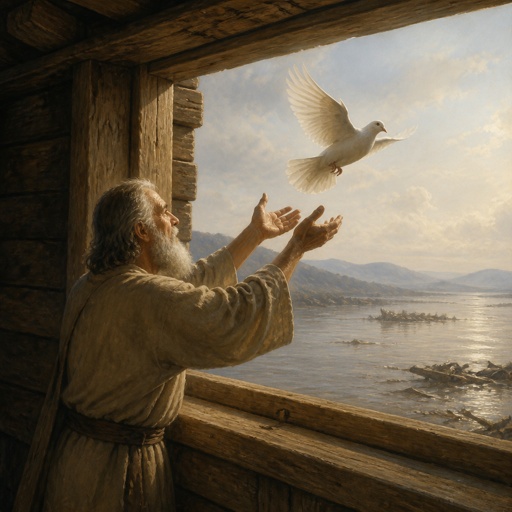
"And he stayed yet other seven days; and again he sent forth the dove out of the ark;" - Genesis 8:10

Genesis 8:12 - "And he stayed yet other seven days; and sent forth the dove; which returned not again unto him any more."
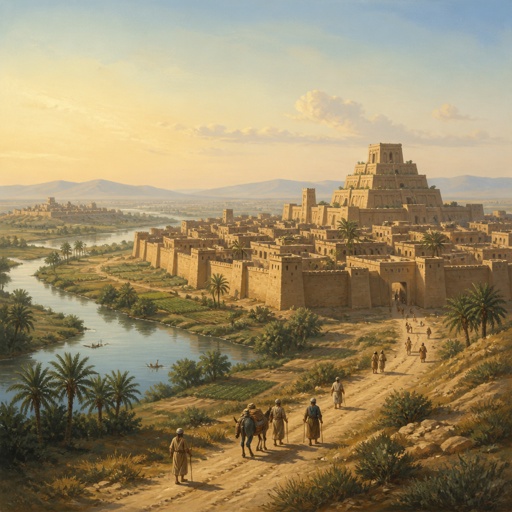
"And Resen between Nineveh and Calah: the same is a great city." - Genesis 10:12
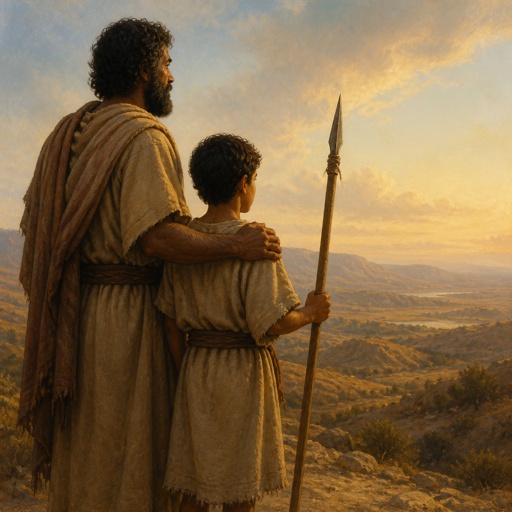
"And Cush begat Nimrod: he began to be a mighty one in the earth." - Genesis 10:8
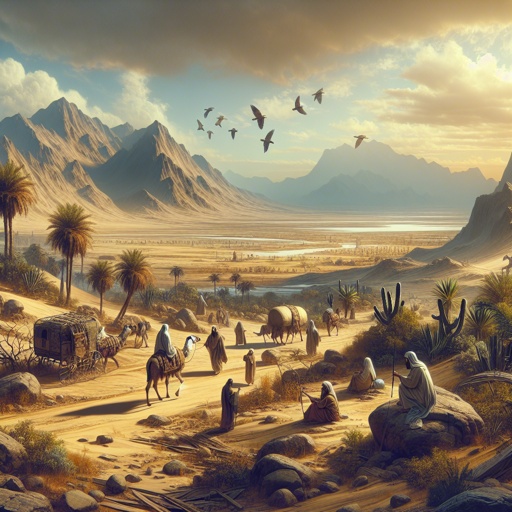
Genesis 12:10 And there was a famine in the land: and Abram went down into Egypt to sojourn there; for the famine was grievous in the land.

ezekiel 47:8-10
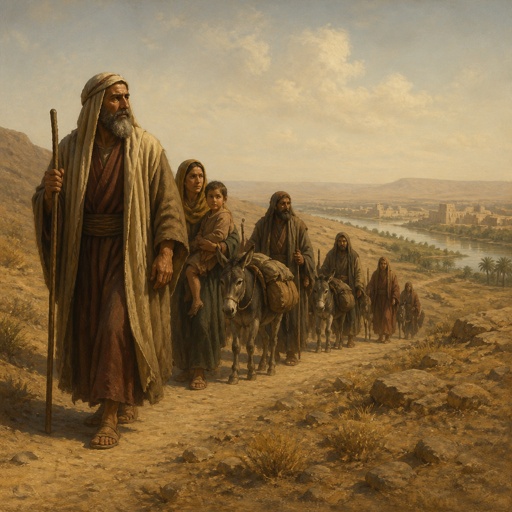
"¶ And there was a famine in the land: and Abram went down into Egypt to sojourn there; for the famine was grievous in the land." - Genesis 12:10

Genesis 12:8 - "And he removed from thence unto a mountain on the east of Beth-el, and pitched his tent, having Beth-el on the west, and Hai on the east: and there he builded an altar unto the LORD, and called upon the name of the LORD."

Genesis 12

Genesis 1:6-8

Genesis 1:6-8

Genesis 28-12

Genesis 22-12

Genesis 17-12

Genesis 21-12

Genesis 20-12

Ezra 10:10-12

Genesis 18-12

Genesis 16:12

Genesis 39:12

Genesis 25:12

Genesis 19-12

Genesis 15:12