The Legacy of Methuselah: A Life Beyond Time
"And all the days of Methuselah were nine hundred sixty and nine years: and he died." - Genesis 5:27
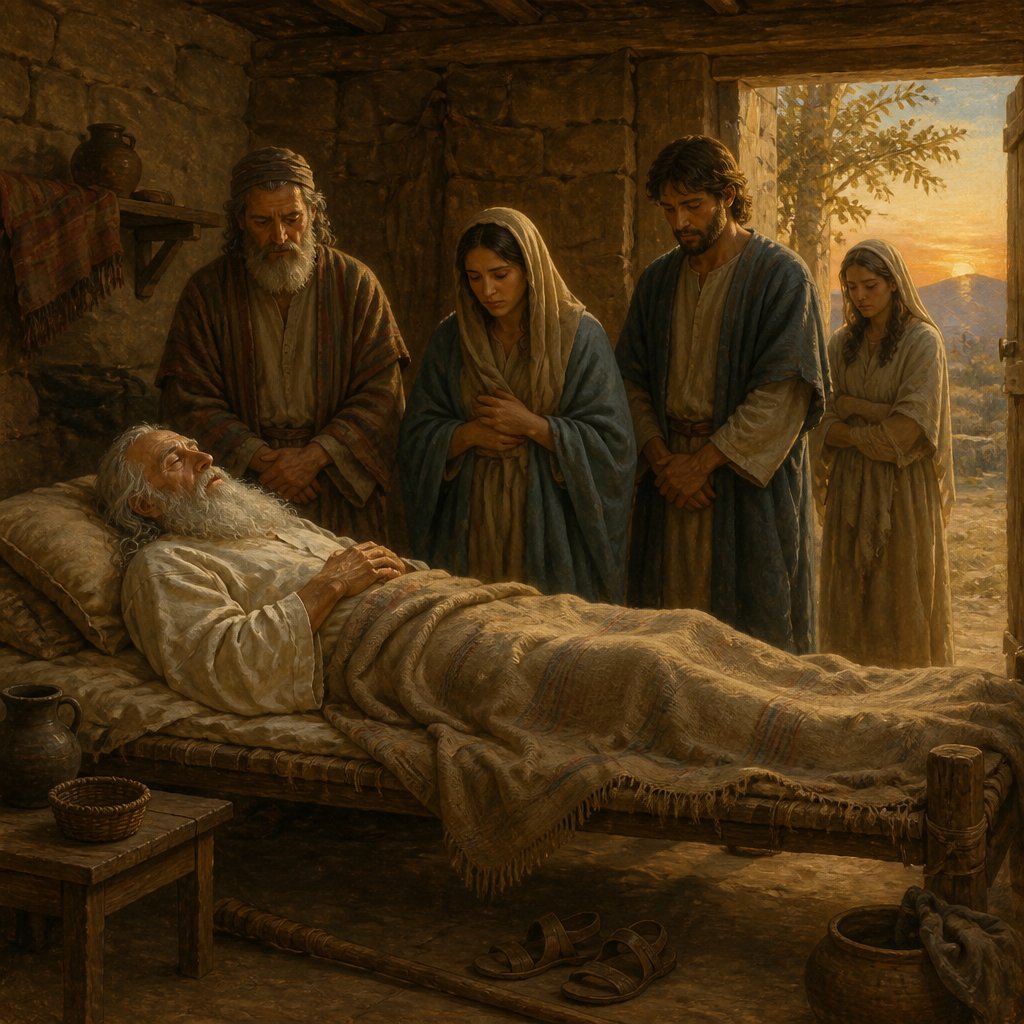
Genesis 5:27 records a remarkable statement about a man named Methuselah: "And all the days of Methuselah were nine hundred sixty and nine years: and he died." This verse, while seemingly simple, holds profound lessons about the nature of life, legacy, and our relationship with God.
Methuselah's age is a staggering 969 years, making him the longest-lived human in the Bible. His life spans generations, witnessing the progression of humanity from the creation of the world to the impending flood which would cleanse it. From this aspect alone, Methuselah's life can be seen as a bridge connecting the antediluvian world to the new world that followed the deluge.
The first lesson we learn from Methuselah’s life is the significance of longevity. Our perception of time is limited, yet Methuselah's long years indicate that a life lived in service to God and filled with meaning can transcend generations. The sheer length of his life suggests that God has a purpose for everyone, extending the opportunity for growth, repentance, and transformation across centuries. Methuselah is also the grandfather of Noah, a pivotal figure in the most significant event of the Old Testament—the flood. This context reinforces the idea that the impact of one person’s life can ripple through history, guiding and preparing future generations.
The second aspect we should reflect on is the reality of death itself, as encapsulated in the phrase "and he died." Despite his lengthy life, Methuselah, like all mortals, faced the unavoidable end. This unvarnished truth beckons us to consider how we utilize the time given to us. It reminds us that regardless of our achievements or the number of days we have, we must confront our mortality. In the end, what matters is not the tally of our years but the intent behind our days; it is how we choose to live within the time allotted to us that shapes our legacy.
Scripture paints Methuselah as a man of faith, the son of Enoch, who "walked with God" (Genesis 5:24). This relationship with the divine is crucial; it implies that Methuselah's long life was not merely a number but a life intertwined with the Creator. His lifespan is emblematic of God's patience—not only reflecting His mercy toward humanity, but also His desire for reconciliation with His creation. Methuselah's life was intertwined with God's desire for grace, and his very existence is a profound reminder of God's patience before the coming judgment in the form of the flood.
As we think further on Methuselah’s legacy, we must also consider the implications of how we wish to be remembered. What will our stewardship over our time and resources say about us? Methuselah represents a call to live intentionally; his extended years invite us to question how we can best embody Christ in our daily lives. We are called to be vessels of God’s love, messengers of His grace, and instruments of His peace throughout the limited time we have.
Moreover, Methuselah exemplifies the heart of God extending toward mankind—a reminder of His enduring hope for humanity’s future. In a world that often prioritizes immediate results, Methuselah’s long life teaches us the importance of patience, perseverance, and faithful living, irrespective of earthly recognition.
As we conclude our reflection, let us ask ourselves: What legacy are we building today? Are we investing our time wisely in our relationships, our faith, and our communities? May we strive to walk with God as Methuselah did, creating a legacy that echoes beyond our years, reaching into the lives of those who come after us.
In the end, what will your life’s account say? "And he died" may be how our story concludes, but let it be preceded by a life fully committed to walking with God, honoring Him until our final breath.
Want to reflect more on Genesis 5:27?
Continue your spiritual journey with Bible Chat — an AI-powered tool for exploring God's Word through conversation. Ask questions, discover connections, and deepen your understanding.
Get Our Apps


Genesis 5:27 Artwork

Genesis 5:27 - "And all the days of Methuselah were nine hundred sixty and nine years: and he died."

"And all the days of Methuselah were nine hundred sixty and nine years: and he died." - Genesis 5:27

Genesis 27:5

Genesis 27:5 - "And Rebekah heard when Isaac spake to Esau his son. And Esau went to the field to hunt for venison, and to bring it."

Genesis 27:5 KJV And Rebekah heard when Isaac spake to Esau his son. And Esau went to the field to hunt for venison, and to bring it.

Genesis 27:32

Genesis 25-27

Genesis 17-27

Genesis 18-27

Genesis 24-27

Genesis 21-27

Genesis 19-27

Genesis 10:27 - "And Hadoram, and Uzal, and Diklah,"

"And Rebekah heard when Isaac spake to Esau his son. And Esau went to the field to hunt for venison, and to bring it." - Genesis 27:5

Genesis 27:10 KJV

Genesis 27:18-19

Genesis 27:1-3

Genesis 36:27 - "The children of Ezer are these; Bilhan, and Zaavan, and Akan."

"And Hadoram, and Uzal, and Diklah," - Genesis 10:27

Amos 5:21-27

Numbers 27:5 - "And Moses brought their cause before the LORD."

Genesis 38:27 - "¶ And it came to pass in the time of her travail, that, behold, twins were in her womb."

Genesis 27:44 - "And tarry with him a few days, until thy brother's fury turn away;"

Genesis 32:27 - "And he said unto him, What is thy name? And he said, Jacob."

Genesis 27:27 - "And he came near, and kissed him: and he smelled the smell of his raiment, and blessed him, and said, See, the smell of my son is as the smell of a field which the LORD hath blessed:"

Proverbs 27:5 - "Open rebuke is better than secret love."

Genesis 34:27 - "The sons of Jacob came upon the slain, and spoiled the city, because they had defiled their sister."

Genesis 27:35 - "And he said, Thy brother came with subtilty, and hath taken away thy blessing."

Genesis 19:27 - "¶ And Abraham gat up early in the morning to the place where he stood before the LORD:"

Genesis 27:28 - "Therefore God give thee of the dew of heaven, and the fatness of the earth, and plenty of corn and wine:"