Unraveling the Weight of Anger: A Divine Dialogue
"And the LORD said unto Cain, Why art thou wroth? and why is thy countenance fallen?" - Genesis 4:6
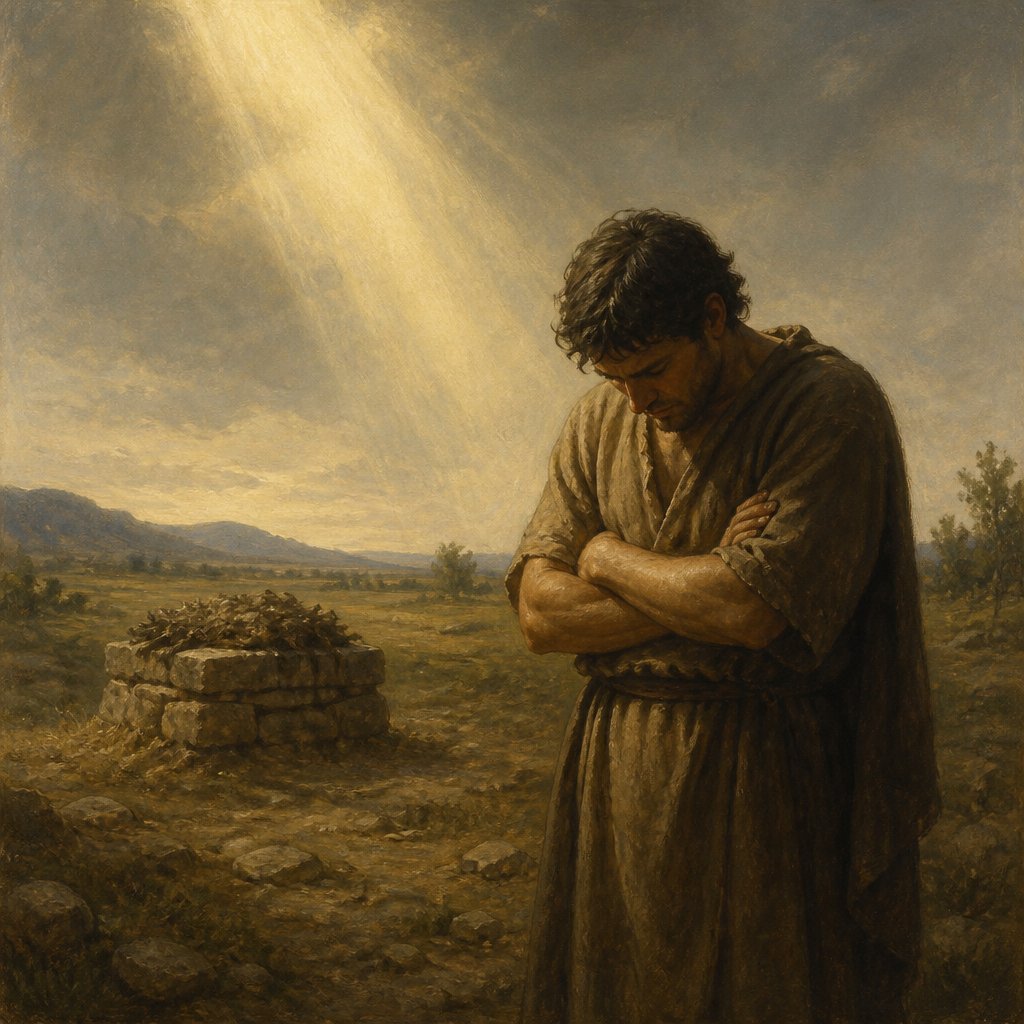
In Genesis 4:6, we find a poignant moment of divine inquiry, as the Lord addresses Cain, saying, "And the LORD said unto Cain, Why art thou wroth? and why is thy countenance fallen?" This exchange between God and Cain is not merely a question posed to a man filled with anger; it is an invitation to self-reflection, an opportunity granted by God to examine the undercurrents of Cain’s emotional state. To delve into these words is to embark on a journey of introspection, revealing the human condition, the nature of anger, and the mercy of a God who seeks to understand His creation.
The context surrounding this moment is critical. Cain, the firstborn of Adam and Eve, had brought an offering to God that was not accepted, while his brother Abel's offering was received favorably. In the face of rejection, Cain’s heart became filled with wrath, leading to a significant spiritual and relational crisis. His anger is palpable, showcasing a fundamental truth: anger can cloud our judgment and lead us towards destructive paths. Cain's countenance fell, indicating a departure from peace and joy, suggesting that his internal state was directly impacting his external expressions and relationships.
Anger is an emotion that, if left unchecked, can fester and result in harmful actions. God’s inquiry, “Why art thou wroth?” serves as a reminder that our emotions deserve our attention and, crucially, our understanding. It raises an essential question that we often overlook: Why do we feel the way we do? What is beneath the surface of our anger? Often, anger is the tip of the iceberg; it masks feelings of hurt, rejection, jealousy, or fear. Rather than acknowledging these underlying issues, we may lash out or retreat inwardly, allowing anger to consume us.
The Lord’s subsequent question, “Why is thy countenance fallen?” invites us to consider the outward manifestations of our inward struggles. Just as Cain's demeanor changed due to his anger, so too can our countenance reflect what we harbor in our hearts. When we surrender ourselves to anger, we may also surrender our joy and peace. The Bible cautions against the dangers of unchecked anger; in Ephesians 4:26-27 (KJV), Paul writes, "Be ye angry, and sin not: let not the sun go down upon your wrath: neither give place to the devil." Anger has a way of distorting our perception, urging us towards jealousy and bitterness, much like it did for Cain.
Yet, within God's questions lies an immense grace. He does not condemn Cain for his feelings but rather seeks to draw him out of his emotional turmoil. God’s engagement is not one of judgment but of pastoral care, encouraging Cain to confront his emotions honestly. This emblematic dialogue reflects God’s desire for relationship, communication, and understanding, inviting Cain to turn his heart toward righteousness instead of harboring resentment.
As we reflect on this, we must ask ourselves: How do we respond to our anger? Are we willing to dialogue with God about the feelings that weigh on our hearts? In our flawed humanity, emotions can lead us astray, yet God’s voice remains a guiding light, calling us back to a place of peace and understanding.
In practical terms, engaging with our emotions through prayer and meditation can illuminate the root causes of our anger. Instead of allowing anger to drive us toward isolation or destructive behavior, we are encouraged to bring our plights before God—unfiltered and raw. By doing so, we not only experience healing but also foster deeper intimacy with our Creator.
Ultimately, the divine question posed to Cain invites all of us to a moment of reckoning, to assess our emotional health and the state of our hearts. Let us heed this call to reflection, leaning into God’s wisdom to navigate our anger and emerge with restored countenance, ready to embrace the beauty of forgiveness, grace, and ultimately the peace that surpasses all understanding.
Want to reflect more on Genesis 4:6?
Continue your spiritual journey with Bible Chat — an AI-powered tool for exploring God's Word through conversation. Ask questions, discover connections, and deepen your understanding.
Get Our Apps


Genesis 4:6 Artwork

Genesis 4:6 - "And the LORD said unto Cain, Why art thou wroth? and why is thy countenance fallen?"
"And the LORD said unto Cain, Why art thou wroth? and why is thy countenance fallen?" - Genesis 4:6

Genesis 6:4

Genesis 6: 4

Genesis 6:4 - "There were giants in the earth in those days; and also after that, when the sons of God came in unto the daughters of men, and they bare children to them, the same became mighty men which were of old, men of renown."

Genesis 1:6-8

Genesis 1:6-8

Genesis 19-6

Genesis 29-6

Genesis 18-6

Genesis 17:6

Genesis 23-6

Genesis 18-6

Genesis 16:6

Genesis 25-6

Genesis 21-6

Genesis 20-6

genesis 22:6

Genesis chapter 6

Genesis 24-6

Genesis 22:6

Genesis 6:6 - "And it repented the LORD that he had made man on the earth, and it grieved him at his heart."

Genesis 23-4

Genesis 20-4

Genesis 21-4

Genesis 17:4

Genesis 22-4

Genesis 18-4

Genesis 26:6 - "¶ And Isaac dwelt in Gerar:"

Genesis 29-4