A Legacy of Faith: The Blessing of Ephraim and Manasseh
"¶ And now thy two sons, Ephraim and Manasseh, which were born unto thee in the land of Egypt before I came unto thee into Egypt, are mine; as Reuben and Simeon, they shall be mine." - Genesis 48:5
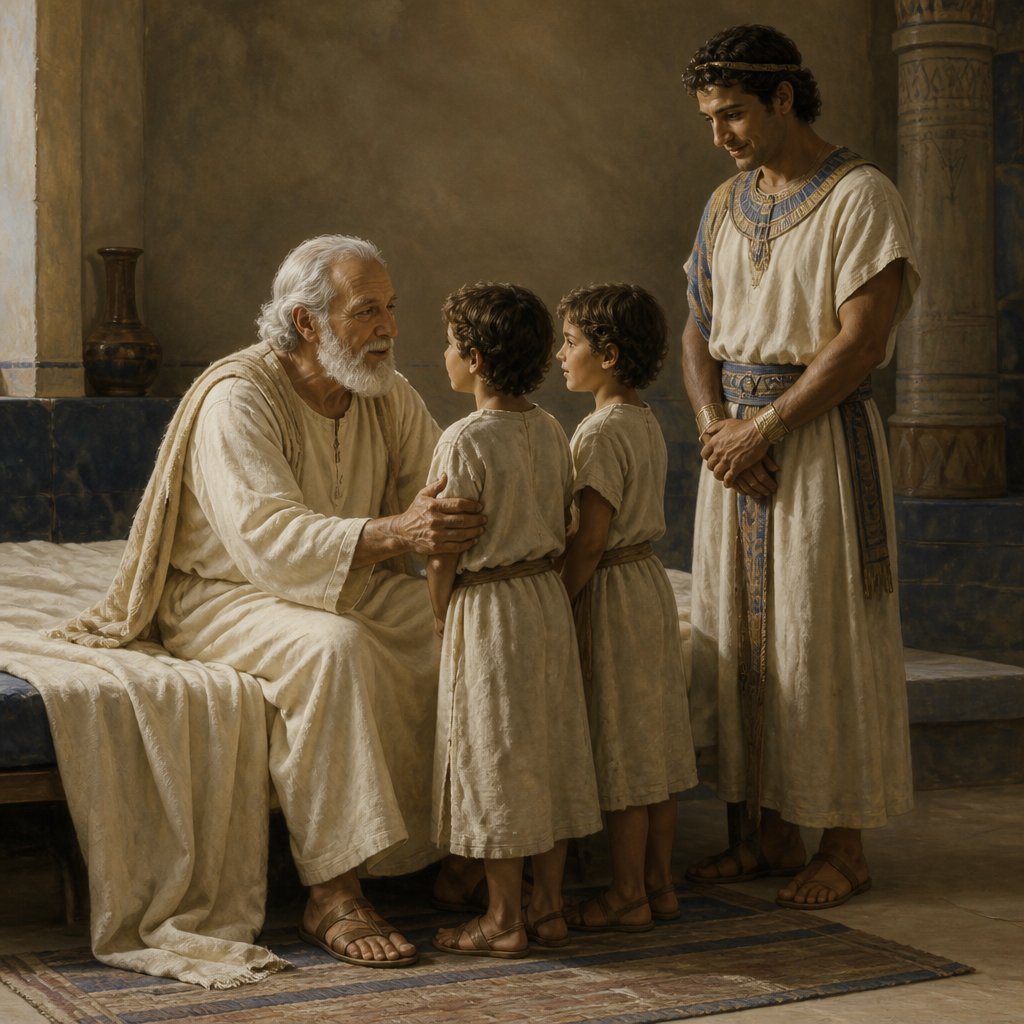
Genesis 48:5 states, "And now thy two sons, Ephraim and Manasseh, which were born unto thee in the land of Egypt before I came unto thee into Egypt, are mine; as Reuben and Simeon, they shall be mine." This poignant moment in the life of Jacob (also known as Israel) reveals profound truths about heritage, identity, and the sovereignty of God over our legacies.
At the time of this declaration, Jacob was nearing the end of his earthly journey, and he was wanting to impart something significant to his beloved son Joseph and his grandsons, Ephraim and Manasseh. It is crucial to understand that Jacob had just crossed the threshold into a phase where he was no longer merely a father but a patriarch—a man responsible for the future generations of the covenant people. By stating that Joseph’s sons were his, Jacob was not just claiming them for himself but was also making a prophetic declaration about their future roles in God’s plan.
In the cultural context of the time, blessing and inheritance were predominantly reserved for the sons of the first wife. However, through this act, Jacob was subverting cultural norms by recognizing Ephraim and Manasseh, born to Rachel's maid, as equals to his own sons, Reuben and Simeon. This inclusion highlights a significant biblical theme: God's grace often disrupts human expectations. It underscores the truth that God's selections are not confined by our societal structures or prejudices. Just as Ephraim and Manasseh were grafted into the family of Israel, so too we are grafted into God's family, regardless of our backgrounds or pasts.
Jacob’s declaration also serves to reinforce the theological truth of divine inheritance. He stated unequivocally that these two sons would bear a name within Israel, as though they were his own biological children. This is significant because in God’s covenant way, inheritance is less about bloodlines and more about spiritual legacy. The fact that God chose to bless these two boys signifies that His plans extend beyond the limitations of human understanding and lineage. God sees potential in those whom society might overlook or underestimate.
Think for a moment about what it means to declare that our children and their descendants belong to God. In a world that often seeks to define us by our limitations, our past, or the circumstances of our birth, declaring that our legacy belongs to God opens doors. It invites the presence of the Lord into our families and our future. Jacob’s act of adoption was also prophetic, ensuring that Ephraim and Manasseh would receive a blessing that would propel them into their distinct roles among the tribes of Israel.
As you reflect on this passage, consider the implications for your own life and the lives of those around you. Are there areas where you need to declare God’s claim over your children or your family? Perhaps you are aware of gifts or strengths in the next generation that you need to foster, even if they come from less conventional sources than you expect. We need to awaken to the truth that our true identity and legacy come from God’s perspective.
Similar to Jacob, we hold within us the power to bless the next generation. We can choose to empower those around us, lifting them up and reminding them that they belong to God’s family. As we pray for our children, we can ask God to guide them, bless them, and help them fulfill their destined roles in His grand design.
In conclusion, let us take a moment to meditate on our own legacies and the blessings bestowed upon us. Like Jacob, let us recognize the divine hand in our families and appreciate how God’s promises shape our identities. By embracing our role as a believer in the sovereign blessings of God, we can ensure that our legacy influences generations to come in faith, hope, and love.
Want to reflect more on Genesis 48:5?
Continue your spiritual journey with Bible Chat — an AI-powered tool for exploring God's Word through conversation. Ask questions, discover connections, and deepen your understanding.
Get Our Apps


Genesis 48:5 Artwork

Genesis 48:5 - "¶ And now thy two sons, Ephraim and Manasseh, which were born unto thee in the land of Egypt before I came unto thee into Egypt, are mine; as Reuben and Simeon, they shall be mine."
"¶ And now thy two sons, Ephraim and Manasseh, which were born unto thee in the land of Egypt before I came unto thee into Egypt, are mine; as Reuben and Simeon, they shall be mine." - Genesis 48:5

Genesis 24-48

Isaiah 48:5

Isaiah 48:5

Isaiah 48:5

Isaiah 48:5

Genesis 48:8 - "And Israel beheld Joseph's sons, and said, Who are these?"

Psalms 48:5 - "They saw it, and so they marvelled; they were troubled, and hasted away."

Genesis 31:48 - "And Laban said, This heap is a witness between me and thee this day. Therefore was the name of it called Galeed;"

Matthew 5:48 - "Be ye therefore perfect, even as your Father which is in heaven is perfect."

Genesis 48:3 - "And Jacob said unto Joseph, God Almighty appeared unto me at Luz in the land of Canaan, and blessed me,"

Genesis 48:12 - "And Joseph brought them out from between his knees, and he bowed himself with his face to the earth."
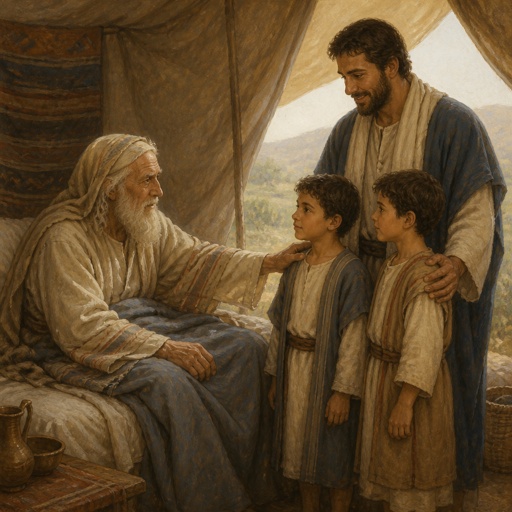
"And Israel beheld Joseph's sons, and said, Who are these?" - Genesis 48:8

Ezekiel 48:5 - "And by the border of Manasseh, from the east side unto the west side, a portion for Ephraim."
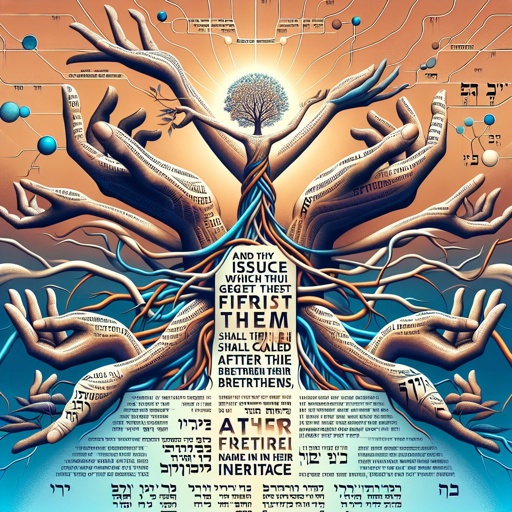
Genesis 48:6 - "And thy issue, which thou begettest after them, shall be thine, and shall be called after the name of their brethren in their inheritance."

Genesis 48:18 - "And Joseph said unto his father, Not so, my father: for this is the firstborn; put thy right hand upon his head."
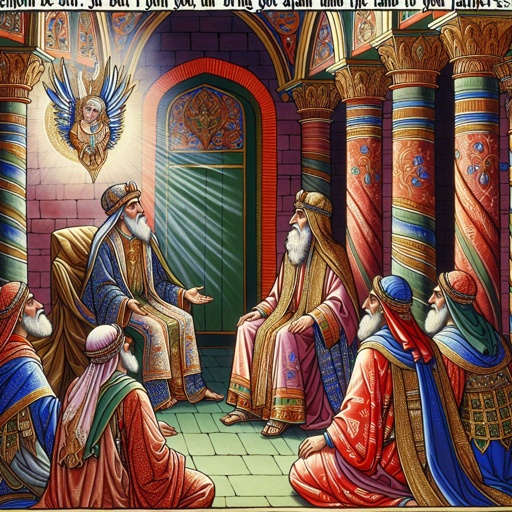
Genesis 48:21 - "And Israel said unto Joseph, Behold, I die: but God shall be with you, and bring you again unto the land of your fathers."

Genesis 48:2 - "And one told Jacob, and said, Behold, thy son Joseph cometh unto thee: and Israel strengthened himself, and sat upon the bed."
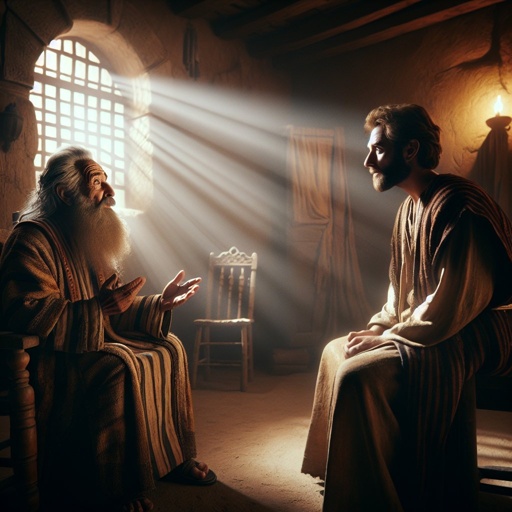
Genesis 48:11 - "And Israel said unto Joseph, I had not thought to see thy face: and, lo, God hath shewed me also thy seed."
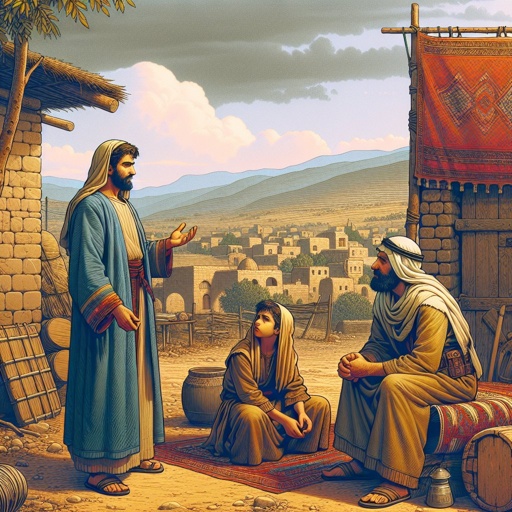
Genesis 48:1 - "And it came to pass after these things, that one told Joseph, Behold, thy father is sick: and he took with him his two sons, Manasseh and Ephraim."

Jeremiah 48:5 - "For in the going up of Luhith continual weeping shall go up; for in the going down of Horonaim the enemies have heard a cry of destruction."

"They saw it, and so they marvelled; they were troubled, and hasted away." - Psalms 48:5

Genesis 48:22 - "Moreover I have given to thee one portion above thy brethren, which I took out of the hand of the Amorite with my sword and with my bow."

Genesis 48:20 - "And he blessed them that day, saying, In thee shall Israel bless, saying, God make thee as Ephraim and as Manasseh: and he set Ephraim before Manasseh."

Genesis 48:10 - "Now the eyes of Israel were dim for age, so that he could not see. And he brought them near unto him; and he kissed them, and embraced them."
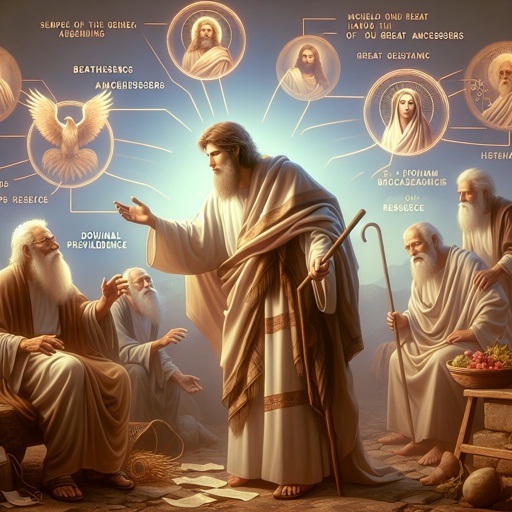
Genesis 48:15 - "¶ And he blessed Joseph, and said, God, before whom my fathers Abraham and Isaac did walk, the God which fed me all my life long unto this day,"

Genesis 48:4 - "And said unto me, Behold, I will make thee fruitful, and multiply thee, and I will make of thee a multitude of people; and will give this land to thy seed after thee for an everlasting possession."
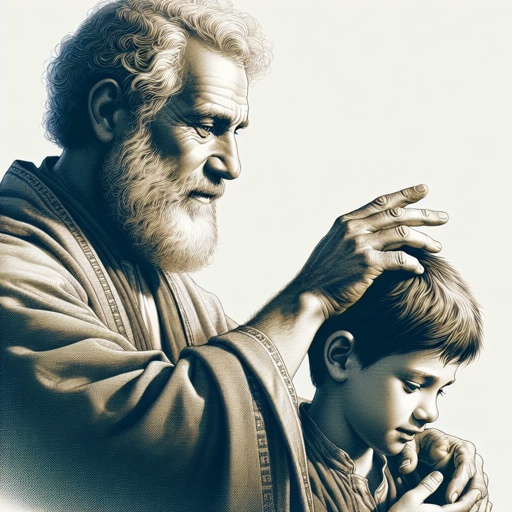
Genesis 48:14 - "And Israel stretched out his right hand, and laid it upon Ephraim's head, who was the younger, and his left hand upon Manasseh's head, guiding his hands wittingly; for Manasseh was the firstborn."
"Be ye therefore perfect, even as your Father which is in heaven is perfect." - Matthew 5:48