The Legacy of Leah: Embracing Our Heritage
"The sons of Leah; Reuben, Jacob's firstborn, and Simeon, and Levi, and Judah, and Issachar, and Zebulun:" - Genesis 35:23
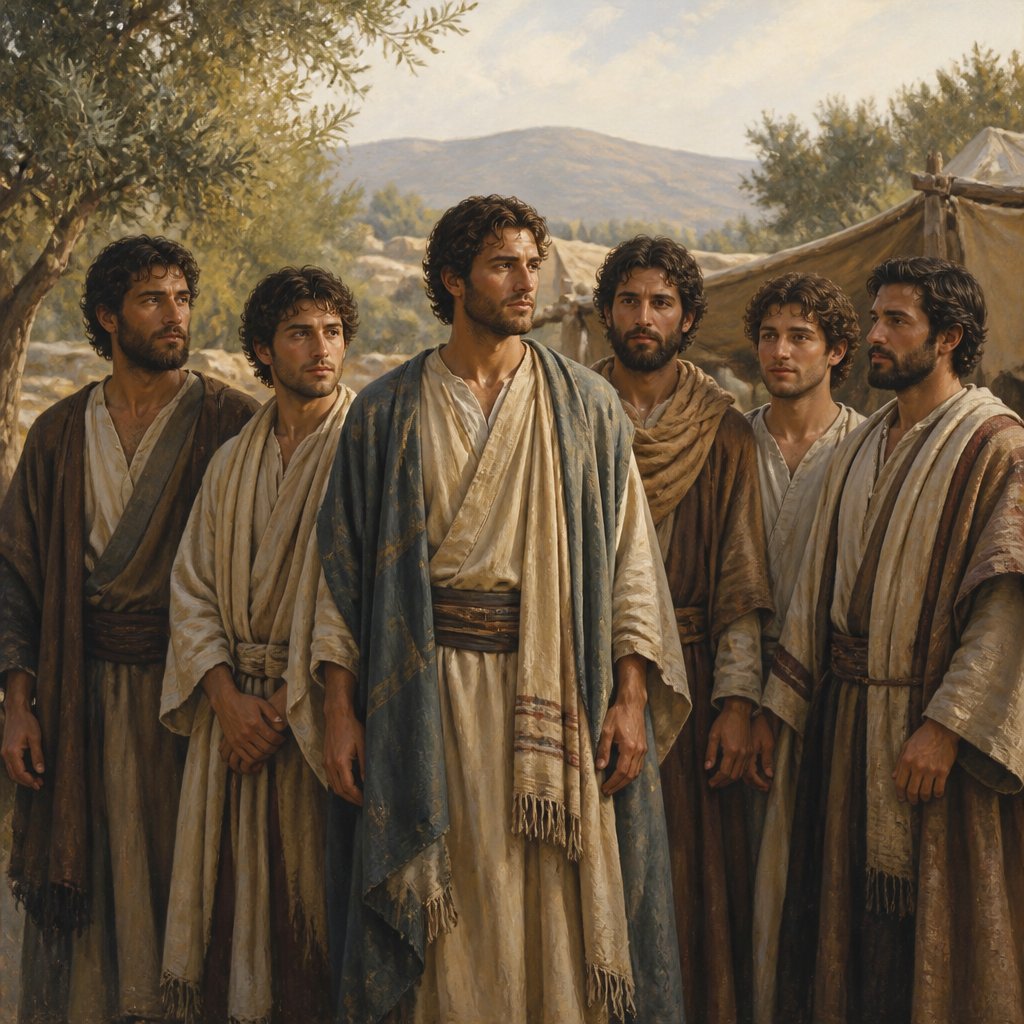
In the Book of Genesis, chapter 35, verse 23 states, "The sons of Leah; Reuben, Jacob's firstborn, and Simeon, and Levi, and Judah, and Issachar, and Zebulun." This verse brings forth a pivotal moment in the narrative of Jacob’s family, and through it, we uncover rich layers of meaning about legacy, identity, and God’s providential hand in shaping our lives and destinies.
Leah, the unloved wife of Jacob, often finds herself in a heartbreaking narrative overshadowed by her more favored sister, Rachel. Yet, God chose to use Leah profoundly. The names of her sons are not just identifiers; they reflect her heart and relationship with God. Through her experience, we are invited to reflect on our own identities and the legacies we choose to create.
The first of Leah's sons is Reuben, whose name means “See, a son!” Leah expresses her hope that Jacob might love her more with this firstborn. Her yearning for affection encapsulates a universal longing for acceptance and love. Each of us, at our core, desires acknowledgment and affection. Leah's story reminds us that the journey of our lives isn’t just about striving for love from others, but about recognizing the love of our Heavenly Father, who sees us and values us beyond human affection. In moments of solitude or feeling unloved, we can turn to God, the ultimate lover of our souls, who has chosen us as His own.
Next, we reflect on Simeon, meaning "hearing." In naming him thus, Leah seems to believe that God has heard her misery. This speaks volumes about prayer and the importance of bringing our cries before God. It reminds us that God is not distant; He hears us in our trials and tribulations. When we feel unheard or unnoticed, we must remember that God’s ear is always attuned to our needs, and in His perfect timing, He responds with His grace.
Levi, whose name means "attached," marks the next chapter in Leah’s emotional saga as she hopes that her husband will grow closer to her. Levi embodies the wish for closeness and relational depth. God invites us into deep relationships not just with Him, but also with each other. Are we cultivating healthy connections with those around us? Are we seeking to become a source of support and attachment for others, just as God is for us? The legacy we create often begins with the quality of our relationships.
Judah, meaning "praise," takes a monumental role. Leah openly praises God for this child, marking a turning point where her focus shifts from seeking Jacob's approval to recognizing God’s blessings. This notion of praise becomes central in our lives. Every person faces challenges, and the practice of offering gratitude during tough times can transform our outlook, steering us away from despair and leading us towards joy. The lineage of Judah eventually leads to the birth of King David and ultimately Jesus Christ, showing that our praises have far-reaching impacts far beyond our own lives.
Issachar, meaning "reward," and Zebulun, contributing to Leah’s narrative of place and prosperity, encapsulate the blessings that come from perseverance and faithfulness. Leah’s struggle and her persistent bond with God produced a legacy that would later shape nations. No matter how difficult our circumstances may be, amidst toil, God promises us rewards deserving of our spiritual investment.
As we reflect on Genesis 35:23 and Leah's sons, we realize that our heritage, our identity, and our legacy matter profoundly. They shape not only who we are but also who we can influence for generations to come. Each son embodies facets of humanity’s struggle and God’s faithfulness—summoning us to lean into our spiritual journeys and cultivate a legacy that praises God.
Let us take time in prayer to ask God how we can embrace our heritage and honor our legacy. May our lives be a testimony of God’s grace, love, and profound ability to transform each story into a beautiful narrative of hope.
Want to reflect more on Genesis 35:23?
Continue your spiritual journey with Bible Chat — an AI-powered tool for exploring God's Word through conversation. Ask questions, discover connections, and deepen your understanding.
Get Our Apps


Genesis 35:23 Artwork

Genesis 35:23 - "The sons of Leah; Reuben, Jacob's firstborn, and Simeon, and Levi, and Judah, and Issachar, and Zebulun:"
"The sons of Leah; Reuben, Jacob's firstborn, and Simeon, and Levi, and Judah, and Issachar, and Zebulun:" - Genesis 35:23

Titus 2:3-5

Titus 2:3-5

Titus 2:3-5

Salmo 45, 2-3. 5-6. 8-9
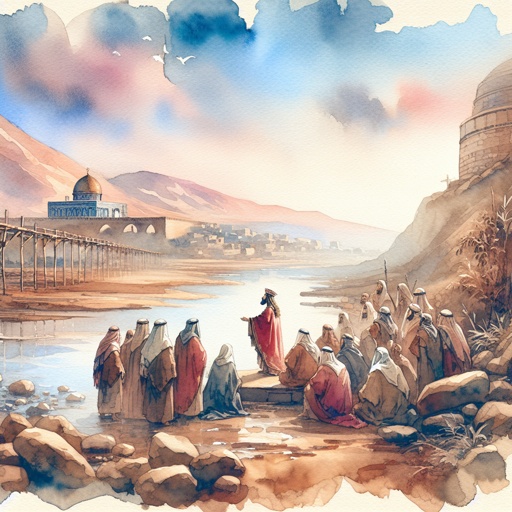
2 Chronicles 35:23

Genesis 19-35

Genesis 26:35

Genesis 31:35

Genesis 24-35

genesis 26:1-35

Genesis 35:16-20

Genesis 29:16-35

2 Samuel 23:35 - "Hezrai the Carmelite, Paarai the Arbite,"

Genesis 35:24 - "The sons of Rachel; Joseph, and Benjamin:"

Genesis 35:25 - "And the sons of Bilhah, Rachel's handmaid; Dan, and Naphtali:"

Genesis 35:28 - "And the days of Isaac were an hundred and fourscore years."

Genesis 26:35 - "Which were a grief of mind unto Isaac and to Rebekah."

Genesis 35:19 - "And Rachel died, and was buried in the way to Ephrath, which is Beth-lehem."

Genesis 35:21 - "¶ And Israel journeyed, and spread his tent beyond the tower of Edar."

Leviticus 23:35 - "On the first day shall be an holy convocation: ye shall do no servile work therein."

"The sons of Rachel; Joseph, and Benjamin:" - Genesis 35:24

Genesis 35:15 - "And Jacob called the name of the place where God spake with him, Beth-el."

Genesis 35:13 - "And God went up from him in the place where he talked with him."

"Hezrai the Carmelite, Paarai the Arbite," - 2 Samuel 23:35

Genesis 27:35 - "And he said, Thy brother came with subtilty, and hath taken away thy blessing."

Genesis 35:20 - "And Jacob set a pillar upon her grave: that is the pillar of Rachel's grave unto this day."
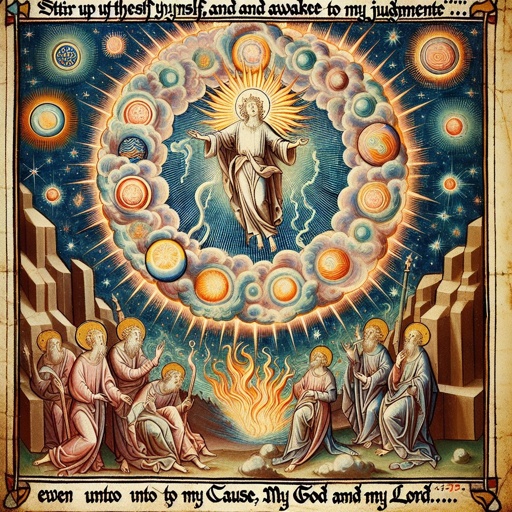
Psalms 35:23 - "Stir up thyself, and awake to my judgment, even unto my cause, my God and my Lord."

Genesis 23-19