The Legacy of Grief and Grace: Understanding Rachel's Journey
"And Rachel died, and was buried in the way to Ephrath, which is Beth-lehem." - Genesis 35:19
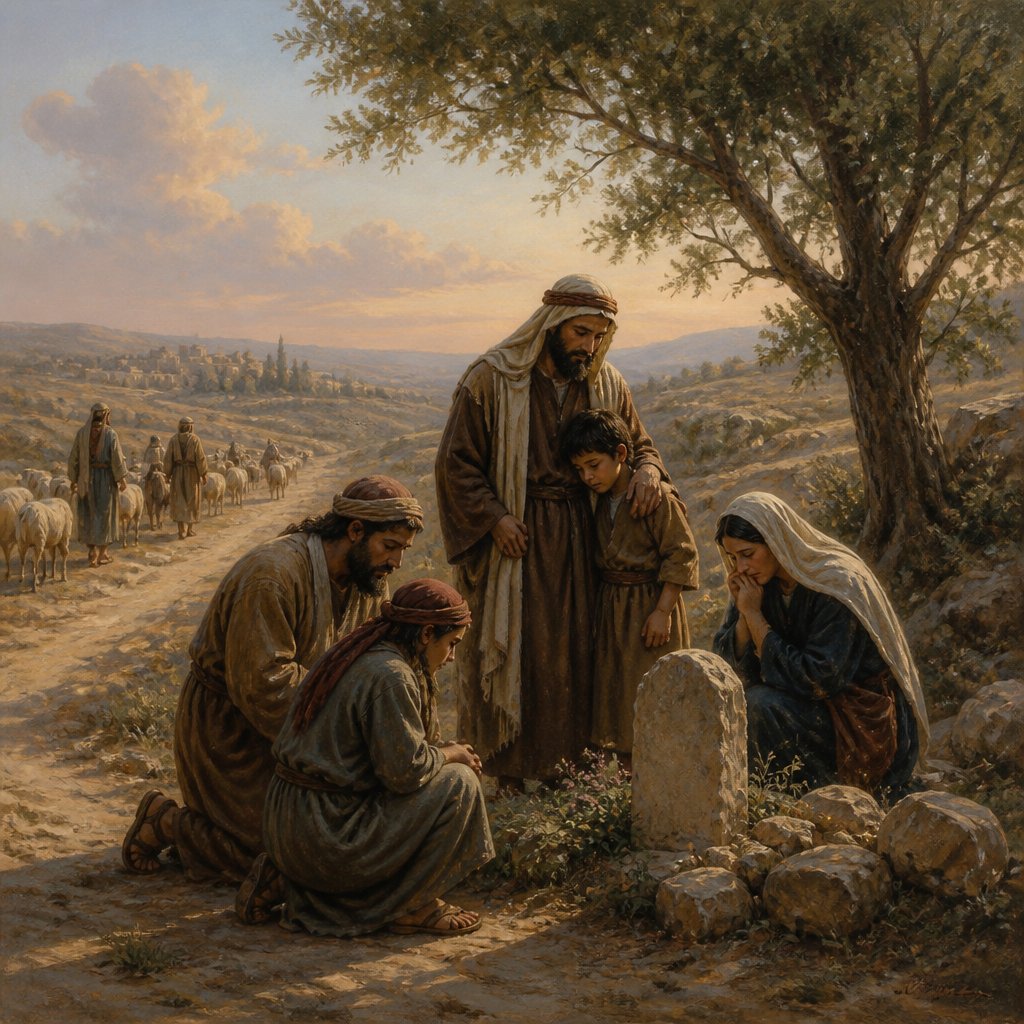
As we delve into Genesis 35:19, "And Rachel died, and was buried in the way to Ephrath, which is Beth-lehem," we encounter a passage filled with deep emotion and theological significance. This verse is a striking moment in the narrative of Jacob and Rachel, a story that encapsulates the themes of love, sorrow, and the fragility of human life.
Rachel, the beloved wife of Jacob, yearned for children much like many of us yearn for our dreams and aspirations. After a long period of barrenness, she finally bore Joseph, a child for whom she had longed, and even in her joy, her journey was rife with trials. The very act of giving birth brings to light the dichotomy of life—a moment of joy intertwined with pain. This is poignantly symbolized in Rachel's experience as she dies during childbirth, adding layers to her story that resonate with us today.
In the context of ancient Israel, Rachel's story speaks not only to personal loss but also to collective grief. The names associated with her death carry profound meanings. Ephrath, meaning 'fruitful' or 'abundant,' and Bethlehem, 'house of bread,' foreshadow the later significance of this location in redemption history. This parallel reveals the depth of God's plan—a plan that includes both heartache and the promise of future flourishing.
As believers, we often grapple with the complexities of grief. The loss of Rachel illuminates the stark realities of life in a world touched by sin and sorrow. It compels us to confront our own losses—whether they be through death, broken relationships, or dreams that did not come to fruition. Grief is a universal experience; it transcends time and cultures, yet in this universal sadness lies an opportunity for grace.
Jacob's reaction to Rachel's death is another area that commands our attention. The Scriptures do not elaborate on his feelings in depth, but his mourning likely included a profound sense of anguish. It is evident that he not only mourned the physical loss of Rachel but also the emotional and spiritual void left behind. In our lives, we may experience a similar depth of anguish when a loved one passes away, teaching us the importance of processing our grief rather than silencing it. Just as Jacob allowed his heart to feel, we too should embrace our emotions, trusting that God walks with us in our sorrow.
Rachel's death and burial also provoke thoughts about legacy. Rachel’s life, marked by struggle, desire, and eventual loss, lives on through her sons, Joseph and Benjamin. Joseph, particularly, becomes a pivotal figure in the story of Israel, saving his family during famine and serving the greater narrative of redemption. Herein lies a truth often obscured in our grief—our lives and our struggles can lead to future blessings for others. The struggles we face, the seeds of pain we plant, can produce a harvest that benefits not just ourselves but generations to come.
In the Gospel of Matthew, we see a different facet of Bethlehem—one that resonates with hope, as it is the birthplace of Jesus Christ, the Messiah. The death of Rachel foreshadows the path of sorrow that ultimately leads to grace. God often weaves our pain into His redemptive story. As we reflect on Rachel's life and death, we may find solace in knowing that God uses every aspect of our existence—even the most painful—to fulfill His divine purpose.
In conclusion, Genesis 35:19 invites us to embrace the depth of our grief while also recognizing the power of hope and resurrection that rises from death. Let us remember Rachel, not merely for her sorrow, but for her legacy and the promise of life that continues in those she loved. Through our own grief, may we also trust in God’s ability to bring forth beauty from ashes and lead us on our journey toward healing and hope.
Want to reflect more on Genesis 35:19?
Continue your spiritual journey with Bible Chat — an AI-powered tool for exploring God's Word through conversation. Ask questions, discover connections, and deepen your understanding.
Get Our Apps


Genesis 35:19 Artwork

Genesis 35:19 - "And Rachel died, and was buried in the way to Ephrath, which is Beth-lehem."
"And Rachel died, and was buried in the way to Ephrath, which is Beth-lehem." - Genesis 35:19

Genesis 19-35

Genesis 26:35

Genesis 31:35

Genesis 24-35

genesis 26:1-35

Genesis 35:16-20

Genesis 29:16-35

Genesis 35:24 - "The sons of Rachel; Joseph, and Benjamin:"

Genesis 35:25 - "And the sons of Bilhah, Rachel's handmaid; Dan, and Naphtali:"

2 Chronicles 35:19 - "In the eighteenth year of the reign of Josiah was this passover kept."

Joshua 19:35 - "And the fenced cities are Ziddim, Zer, and Hammath, Rakkath, and Chinnereth,"

Genesis 35:28 - "And the days of Isaac were an hundred and fourscore years."

Genesis 26:35 - "Which were a grief of mind unto Isaac and to Rebekah."

Leviticus 19:35 - "¶ Ye shall do no unrighteousness in judgment, in meteyard, in weight, or in measure."

Genesis 19-19

Genesis 35:21 - "¶ And Israel journeyed, and spread his tent beyond the tower of Edar."

Luke 19:35 - "And they brought him to Jesus: and they cast their garments upon the colt, and they set Jesus thereon."

"The sons of Rachel; Joseph, and Benjamin:" - Genesis 35:24

Genesis 35:15 - "And Jacob called the name of the place where God spake with him, Beth-el."

Genesis 35:23 - "The sons of Leah; Reuben, Jacob's firstborn, and Simeon, and Levi, and Judah, and Issachar, and Zebulun:"

Genesis 35:13 - "And God went up from him in the place where he talked with him."
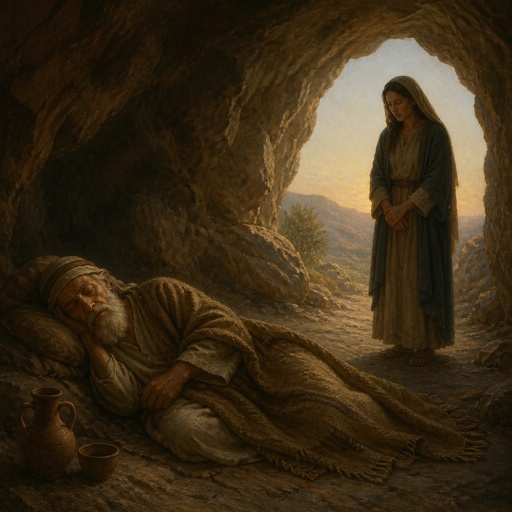
"And they made their father drink wine that night also: and the younger arose, and lay with him; and he perceived not when she lay down, nor when she arose." - Genesis 19:35

Genesis 27:35 - "And he said, Thy brother came with subtilty, and hath taken away thy blessing."

Genesis 35:20 - "And Jacob set a pillar upon her grave: that is the pillar of Rachel's grave unto this day."

Genesis 35:9 - "¶ And God appeared unto Jacob again, when he came out of Padan-aram, and blessed him."

Genesis 35:16 - "¶ And they journeyed from Beth-el; and there was but a little way to come to Ephrath: and Rachel travailed, and she had hard labour."

Genesis 35:5 - "And they journeyed: and the terror of God was upon the cities that were round about them, and they did not pursue after the sons of Jacob."

Genesis 35:6 - "¶ So Jacob came to Luz, which is in the land of Canaan, that is, Beth-el, he and all the people that were with him."