Tents and Transformations: Finding Peace in Shechem
"¶ And Jacob came to Shalem, a city of Shechem, which is in the land of Canaan, when he came from Padan-aram; and pitched his tent before the city." - Genesis 33:18
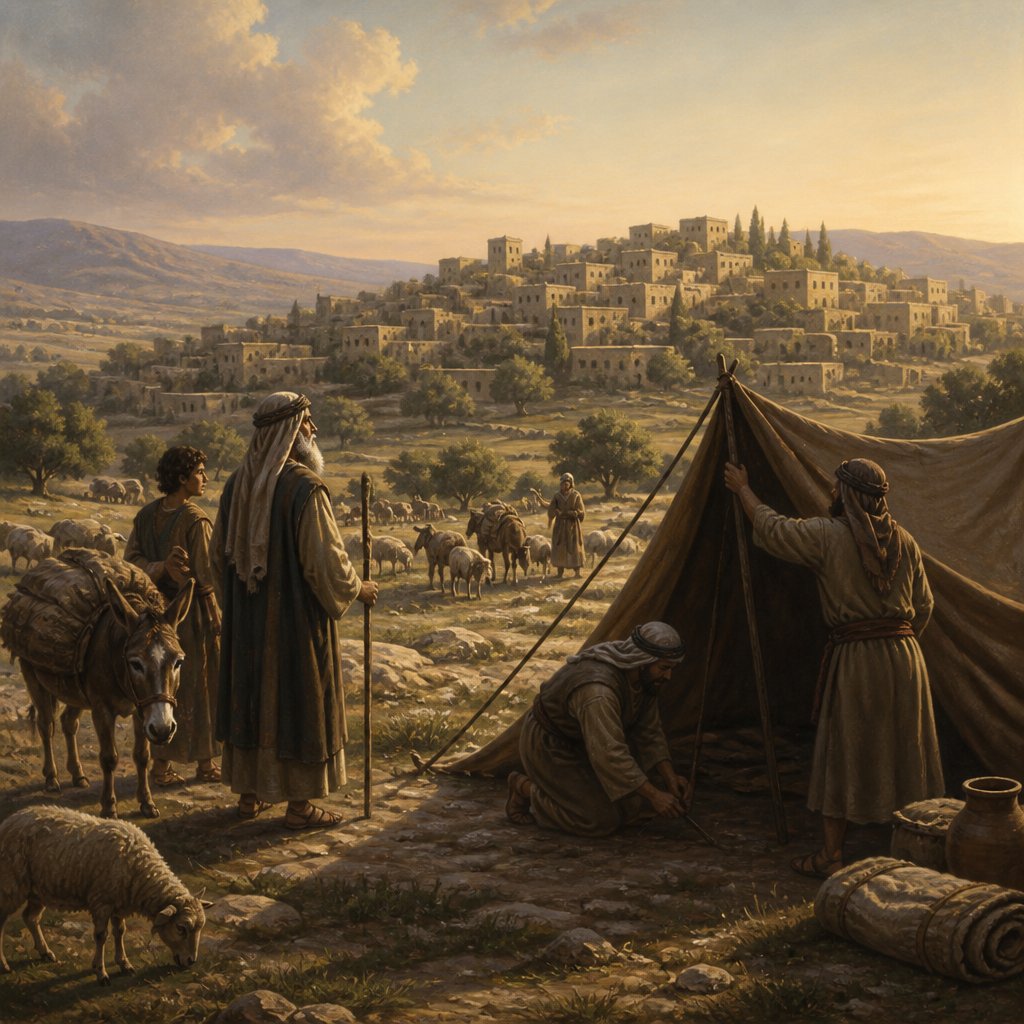
In Genesis 33:18, we read, "And Jacob came to Shalem, a city of Shechem, which is in the land of Canaan, when he came from Padan-aram; and pitched his tent before the city." This seemingly straightforward verse is packed with significance for our spiritual journey and underscores the theme of transformation and establishment that resonates deeply in our walk with God.
Jacob is a profound figure in biblical history. His life is marked by struggles, both external and internal. He wrestled not only with his brother Esau but also with his own identity, faith, and the consequences of his actions. His journey from Padan-aram to Canaan symbolizes not just a geographical transition but a deeper spiritual pathway toward fulfillment and peace.
Upon his return to Canaan, Jacob arrives in a city called Shalem. The name itself evokes a sense of completeness and peace; it means "peace" or "wholeness." For Jacob, this moment signifies not only a return to the land promised by God but also a step towards reconciliation, closure, and the restoration of relationships. After years of estrangement from his family, notably from Esau, Jacob is now approaching a time of healing.
When Jacob pitched his tent before the city, it reflects more than just settling down in a place. Pitching a tent implies a temporary residence; it is a place of rest but not a permanent dwelling. In the biblical context, tents symbolize mobility and transience. In our spiritual lives, we are encouraged to remember that our current situations - whether they are periods of struggle, triumph, or transition - are not our final destinations. Just as Jacob was in transit, seeking a place where he could finally be at peace, we too are often in a process of becoming, learning, and growing.
As we contemplate the significance of Jacob pitching his tent, we are reminded of our own lives and the places we find ourselves. Are we in a place where we feel safe, whole, and at peace? Or are we still wandering in our personal Padan-arams of conflict, fear, and doubt? Jacob's arrival at Shalem can inspire us to examine where we are currently pitching our figurative tents. Are we choosing areas in our lives that foster God's peace and wholeness?
Moreover, this passage invites us to reflect on the importance of community. Jacob did not dwell alone in isolation; he was entering a community, a place ripe with potential for fellowship and support. In spiritual life, just as much as in physical, we are called to be part of a community. Being surrounded by those who uplift and encourage us helps to fortify our faith journey.
It is critical to note that Jacob's journey was not merely geographical; it was theological. He had been promised greatness and blessing. His arrival in Canaan was a key moment of fulfilling that promise. Each of us is also on a divine pilgrimage, moving toward the fullness of what God has for our lives. Shalem, in the heart of Canaan, becomes a symbol of God's faithfulness and the fruition of His promises.
As we reflect on this, let us ask ourselves: What does our Shalem look like? What does it mean for us to find peace in our current situations? In times of uncertainty, conflict, or distance from God, may we find comfort in the thought that, like Jacob, we, too, are moving toward a place of security, community, and divine purpose. We are reminded that we are continually being led by God through our transitions. Jacob’s journey is a powerful reminder that peace awaits us as we commit ourselves to God's path, claiming His promises, and embracing wholeness in our lives.
So, let us pitch our tents in Shalem, accepting God’s peace, engaging with our communities, and continuing our journey of transformation under the promise of His guidance.
Want to reflect more on Genesis 33:18?
Continue your spiritual journey with Bible Chat — an AI-powered tool for exploring God's Word through conversation. Ask questions, discover connections, and deepen your understanding.
Get Our Apps


Genesis 33:18 Artwork

Genesis 33:18 - "¶ And Jacob came to Shalem, a city of Shechem, which is in the land of Canaan, when he came from Padan-aram; and pitched his tent before the city."
"¶ And Jacob came to Shalem, a city of Shechem, which is in the land of Canaan, when he came from Padan-aram; and pitched his tent before the city." - Genesis 33:18

Genesis 18-33

Genesis 18:33 - "And the LORD went his way, as soon as he had left communing with Abraham: and Abraham returned unto his place."

Genesis 19-33

Genesis 21-33

Genesis 24-33

Genesis 25-33
"And the LORD went his way, as soon as he had left communing with Abraham: and Abraham returned unto his place." - Genesis 18:33

Numbers 33:18 - "And they departed from Hazeroth, and pitched in Rithmah."

Genesis 33:6 - "Then the handmaidens came near, they and their children, and they bowed themselves."
Genesis 18-18

Genesis 33:20 - "And he erected there an altar, and called it El-elohe-Israel."

Genesis 33:16 - "¶ So Esau returned that day on his way unto Seir."

Genesis 36:33 - "And Bela died, and Jobab the son of Zerah of Bozrah reigned in his stead."

Exodus 33:18 - "And he said, I beseech thee, shew me thy glory."

Genesis 21:33 - "¶ And Abraham planted a grove in Beer-sheba, and called there on the name of the LORD, the everlasting God."

Genesis 26:33 - "And he called it Shebah: therefore the name of the city is Beer-sheba unto this day."

Deuteronomy 33:18 - "¶ And of Zebulun he said, Rejoice, Zebulun, in thy going out; and, Issachar, in thy tents."

"And they departed from Hazeroth, and pitched in Rithmah." - Numbers 33:18

Psalms 33:18 - "Behold, the eye of the LORD is upon them that fear him, upon them that hope in his mercy;"

Luke 18:33 - "And they shall scourge him, and put him to death: and the third day he shall rise again."

Job 33:18 - "He keepeth back his soul from the pit, and his life from perishing by the sword."

Genesis 33:9 - "And Esau said, I have enough, my brother; keep that thou hast unto thyself."
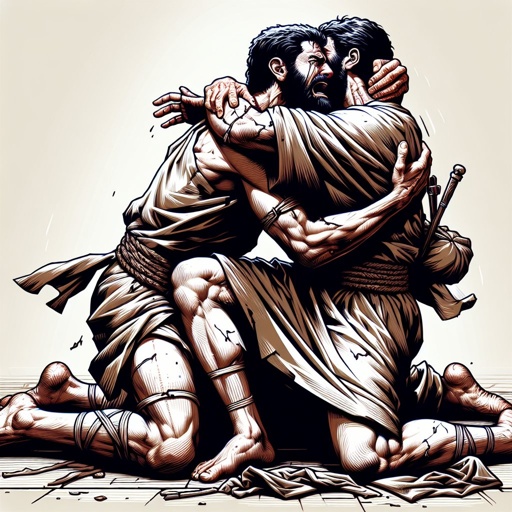
Genesis 33:4 - "And Esau ran to meet him, and embraced him, and fell on his neck, and kissed him: and they wept."

Genesis 33:2 - "And he put the handmaids and their children foremost, and Leah and her children after, and Rachel and Joseph hindermost."

Matthew 18:33 - "Shouldest not thou also have had compassion on thy fellowservant, even as I had pity on thee?"

2 Kings 18:33 - "Hath any of the gods of the nations delivered at all his land out of the hand of the king of Assyria?"

Ezekiel 33:18 - "When the righteous turneth from his righteousness, and committeth iniquity, he shall even die thereby."

Psalms 18:33 - "He maketh my feet like hinds' feet, and setteth me upon my high places."