Covenants of Peace: Understanding Our Boundaries in Faith
"This heap be witness, and this pillar be witness, that I will not pass over this heap to thee, and that thou shalt not pass over this heap and this pillar unto me, for harm." - Genesis 31:52
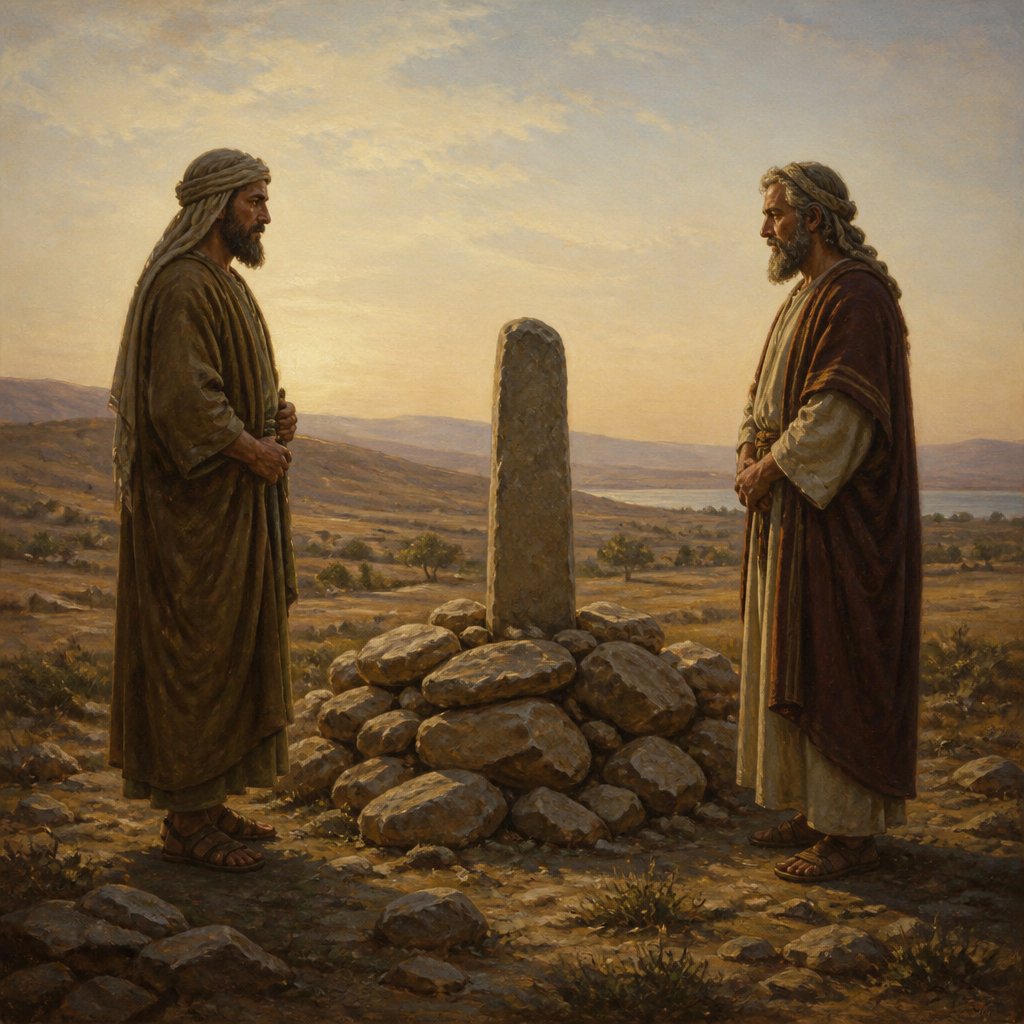
In the compelling narrative of Genesis 31, we witness a pivotal moment between Jacob and Laban, two figures embodying familial ties, betrayal, and the search for peace. In verse 52, we find Jacob declaring, "This heap be witness, and this pillar be witness, that I will not pass over this heap to thee, and that thou shalt not pass over this heap and this pillar unto me, for harm." (KJV). This declaration not only signifies a physical boundary, marking the end of conflict, but it also introduces profound spiritual concepts about covenants and the importance of establishing boundaries within our own lives.
**Understanding the Context**
To comprehend the weight of Jacob’s words, we must consider the backdrop of his relationship with Laban. Jacob, having endured years of manipulation and deceit at the hands of his uncle, finally decides to take his leave. Driven by a sense of divine urgency and the need for self-preservation, he leaves Laban secretly. When Laban pursues Jacob, the conflict heightens, culminating in their encounter at Mizpah where they establish a covenant of peace.
The heap of stones and the pillar serve as tangible reminders of their promises—their commitment to leave each other in peace. In the ancient Near East, such acts were not mere formalities but sacred markers of relationships and intentions. By setting these boundaries, Jacob and Laban were not only declaring their intentions to cease hostilities but were also seeking God’s witness over their commitments. What does this teach us today about the importance of boundaries in our own lives?
**Boundaries in Our Relationships**
In our modern context, the concept of boundaries has become increasingly significant. Just as Jacob and Laban recognized the need for a defined space to ensure peace, we too must establish boundaries in our relationships. Understanding where our responsibilities end and others begin is crucial for maintaining health in our interactions, whether they be familial, friendship, or professional.
Biblically, boundaries are a form of stewardship; they demonstrate our commitment to nurturing relationships while safeguarding our hearts. Ephesians 4:3 encourages believers to endeavor to keep the unity of the Spirit in the bond of peace. This unity does not come at the expense of our personal peace or identity. Instead, it celebrates the unique persons that each of us are while recognizing that some relationships require clear lines to foster healing.
**Covenantal Faithfulness**
Jacob’s act is ultimately a reflection of faithfulness that extends to the spiritual realm. The covenant made with Laban speaks to the recognition of God’s sovereignty in their lives. Before Jacob approached Laban, he had a profound encounter with God where he was reminded of the promises made to him, the same promises guiding his steps and decisions.
As we navigate our paths, we, too, should remember the covenants made both to God and with others. 2 Corinthians 1:20 declares, "For all the promises of God in him are yea, and in him Amen, unto the glory of God by us" (KJV). When we set boundaries, we do so under the umbrella of God’s promises, trusting that He is both our protector and provider. Keeping integrity in our commitments cultivates an environment where God's peace can flourish.
**Living in Peace**
Establishing boundaries and upholding covenants brings us to a place where we can genuinely live at peace. The fear of harm or betrayal becomes secondary to our commitment to serve God and honor others. Both Jacob and Laban understood that peace was not merely the absence of conflict, but the presence of shared respect and accountability.
In essence, let us ask ourselves: what boundaries do we need to establish in our lives? How can we, like Jacob, build pillars of witness that not only mark our intentions but reflect our faithfulness to God? It is in these practices that we experience God’s peace, knowing that our relationships are guarded, and our hearts are aligned with His purpose.
Want to reflect more on Genesis 31:52?
Continue your spiritual journey with Bible Chat — an AI-powered tool for exploring God's Word through conversation. Ask questions, discover connections, and deepen your understanding.
Get Our Apps


Genesis 31:52 Artwork

Genesis 31:52 - "This heap be witness, and this pillar be witness, that I will not pass over this heap to thee, and that thou shalt not pass over this heap and this pillar unto me, for harm."
"This heap be witness, and this pillar be witness, that I will not pass over this heap to thee, and that thou shalt not pass over this heap and this pillar unto me, for harm." - Genesis 31:52

Genesis 24:52

Numbers 31:52 - "And all the gold of the offering that they offered up to the LORD, of the captains of thousands, and of the captains of hundreds, was sixteen thousand seven hundred and fifty shekels."

Genesis 41:52 - "And the name of the second called he Ephraim: For God hath caused me to be fruitful in the land of my affliction."
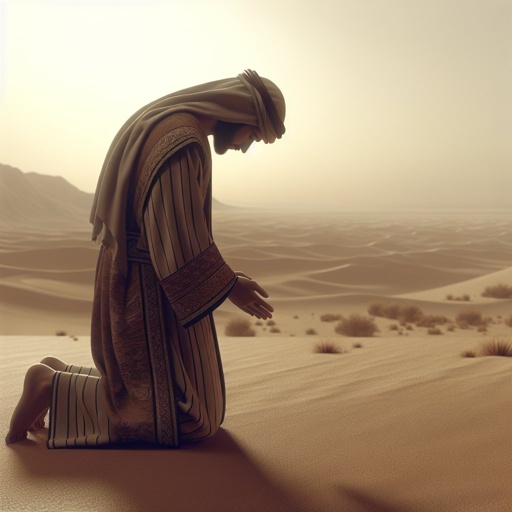
Genesis 24:52 - "And it came to pass, that, when Abraham's servant heard their words, he worshipped the LORD, bowing himself to the earth."

Genesis 21-31

Genesis 18-31

Genesis 31:35

Genesis 19-31

Genesis 24-31

Genesis 31:22 - "And it was told Laban on the third day that Jacob was fled."

Genesis 31:45 - "And Jacob took a stone, and set it up for a pillar."

Genesis 31:47 - "And Laban called it Jegarsahadutha: but Jacob called it Galeed."

Genesis 31:31 - "And Jacob answered and said to Laban, Because I was afraid: for I said, Peradventure thou wouldest take by force thy daughters from me."

Genesis 34:31 - "And they said, Should he deal with our sister as with an harlot?"
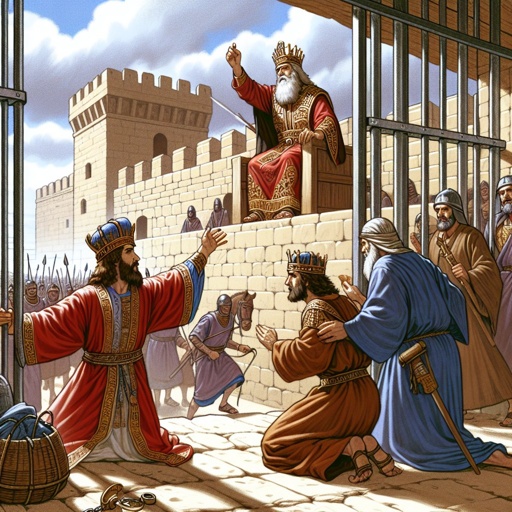
Jeremiah 52:31 - "¶ And it came to pass in the seven and thirtieth year of the captivity of Jehoiachin king of Judah, in the twelfth month, in the five and twentieth day of the month, that Evil-merodach king of Babylon in the first year of his reign lifted up the head of Jehoiachin king of Judah, and brought him forth out of prison,"
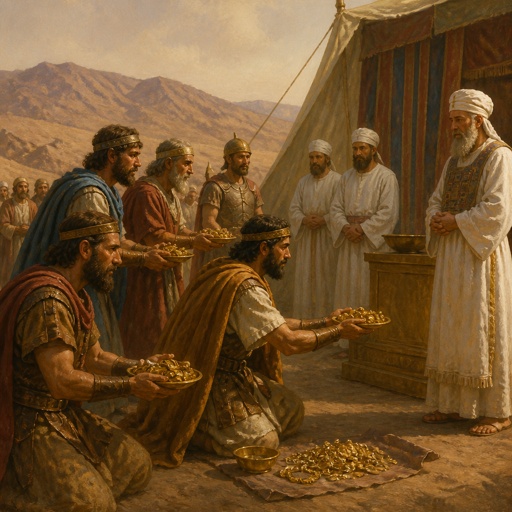
"And all the gold of the offering that they offered up to the LORD, of the captains of thousands, and of the captains of hundreds, was sixteen thousand seven hundred and fifty shekels." - Numbers 31:52

Genesis 25:31 - "And Jacob said, Sell me this day thy birthright."

Genesis 31:2 - "And Jacob beheld the countenance of Laban, and, behold, it was not toward him as before."

Genesis 37:31 - "And they took Joseph's coat, and killed a kid of the goats, and dipped the coat in the blood;"

Genesis 31:4 - "And Jacob sent and called Rachel and Leah to the field unto his flock,"

Genesis 42:31 - "And we said unto him, We are true men; we are no spies:"
Genesis 10:31 - "These are the sons of Shem, after their families, after their tongues, in their lands, after their nations."
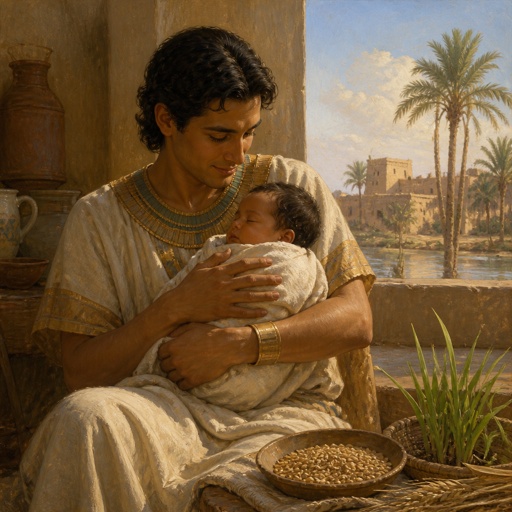
"And the name of the second called he Ephraim: For God hath caused me to be fruitful in the land of my affliction." - Genesis 41:52
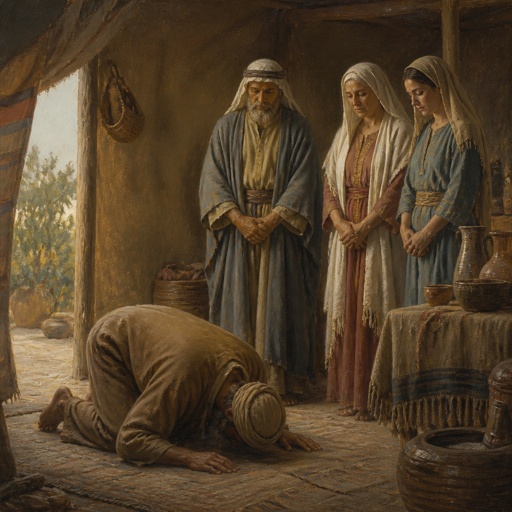
"And it came to pass, that, when Abraham's servant heard their words, he worshipped the LORD, bowing himself to the earth." - Genesis 24:52

Genesis 41:31 - "And the plenty shall not be known in the land by reason of that famine following; for it shall be very grievous."

Genesis 21:31 - "Wherefore he called that place Beer-sheba; because there they sware both of them."

Genesis 31:17 - "¶ Then Jacob rose up, and set his sons and his wives upon camels;"

Genesis 31:6 - "And ye know that with all my power I have served your father."