Claiming What is Ours: Lessons from Jacob and Laban
"¶ And Laban answered and said unto Jacob, These daughters are my daughters, and these children are my children, and these cattle are my cattle, and all that thou seest is mine: and what can I do this day unto these my daughters, or unto their children which they have born?" - Genesis 31:43
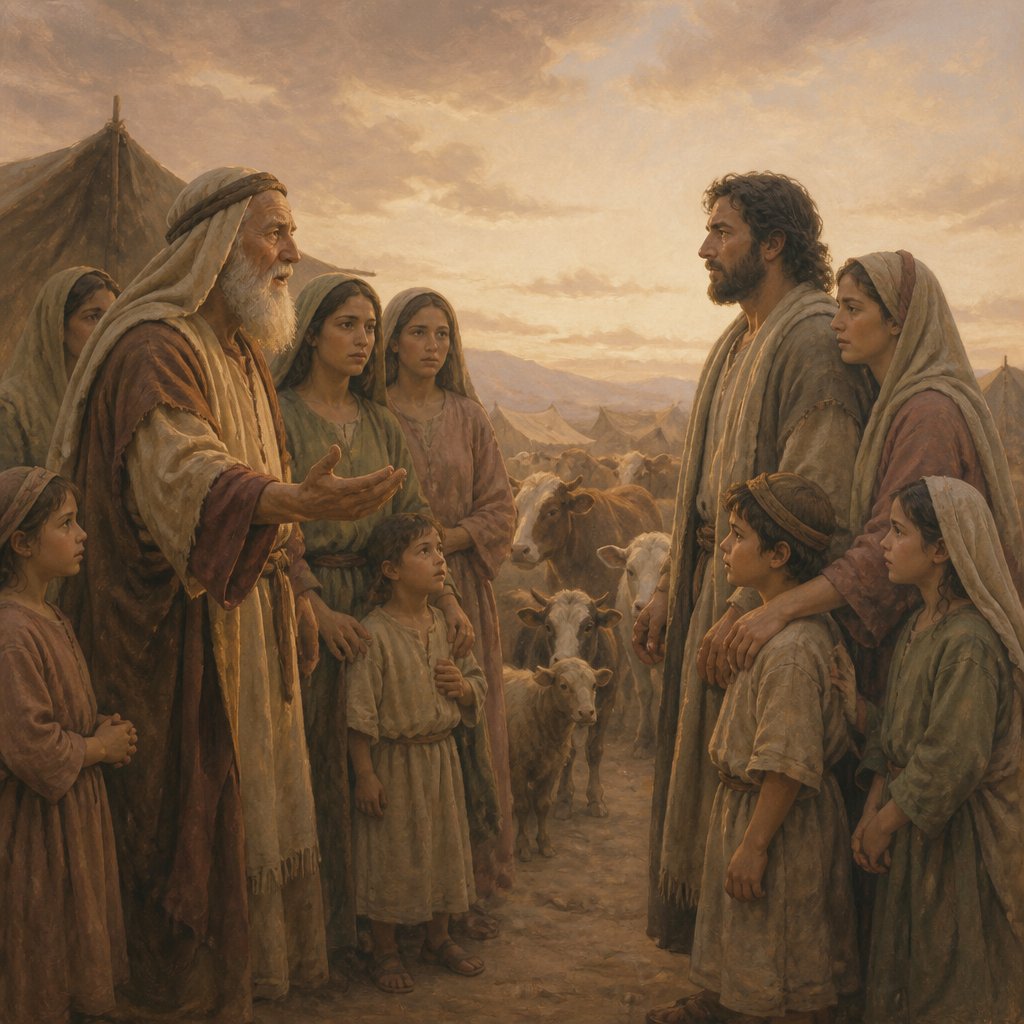
In Genesis 31:43, we find a confrontation between Jacob and Laban, a pivotal moment that signifies the culmination of a long and arduous journey marked by familial ties, deceit, and personal growth. The verse reads, “And Laban answered and said unto Jacob, These daughters are my daughters, and these children are my children, and these cattle are my cattle, and all that thou seest is mine: and what can I do this day unto these my daughters, or unto their children which they have born?” (KJV). This moment is not just about property or livestock; it encapsulates a deep emotional and spiritual struggle within the human experience that still resonates with us today.
Jacob's journey back home after years of service to Laban is laden with complexity. He approached the situation with hope and trepidation: he was leaving behind his uncle's household, which had both offered him refuge and caused him turmoil. Laban’s response to Jacob speaks volumes about attachment and the nature of ownership. In saying, "these daughters are my daughters, and these children are my children," Laban clings tightly to his perceived rights over his family and possessions.
This possessiveness can often be mirrored in our own lives. How many times do we hold onto people or things with an iron grip, unable to acknowledge their independence or the fact that they are on their own journeys? As Laban professes his claim over the daughters and livestock, we are reminded of the importance of recognizing the autonomy and growth of others. Just as Laban feels threatened by Jacob’s independence, sometimes, we too feel a sense of loss when those we’ve nurtured outgrow their need for us.
Jacob’s response, though not recorded in this verse, becomes pivotal. He desires to leave with his family and assets to build a life of his own, separate from Laban's control. Jacob’s journey can be likened to our own—where we seek to claim our identity, our direction, and our purpose, distinct from those who may have shaped us.
Moreover, Laban’s retort raises crucial questions about our definitions of ownership. In a world embattled with materialism and the values of transactional relationships, what does it mean to truly own something? Is it merely possession, or is it a deeper connection? Christ teaches us in the New Testament about true riches not relating to material possessions but in the treasures we store in heaven (Matthew 6:19-20). Perhaps Laban’s lack of understanding comes from equating familial bonds with ownership rather than recognizing them as sacred relationships.
As we delve deeper into Laban’s declarations, we must wrestle with the implications of his words on our heart. The truth is that all we have, whether possessions, community, or family, ultimately belongs to God. We are merely stewards of these relationships and resources. Laban’s assertion that all he sees belongs to him parallels a mindset where we can easily envelop ourselves with pride, forgetting that we are stewards of God’s bountiful grace.
Furthermore, there is an underlying tension of love, responsibility, and control woven throughout this narrative. Laban's position is that of a possessive father and uncle, while Jacob's is one of a weary sojourner—a reflection of God’s people who long for freedom from bondage and the fulfillment of promises long awaited. Like Jacob, we are encouraged to pursue our divine destiny, notwithstanding the grip of those who may attempt to hold us back.
In conclusion, Genesis 31:43 is a profound reminder for us to examine our relationships and our feelings towards ownership and belonging. Are we, like Laban, clinging too tightly to what we perceive as ours? Are we open to celebrating the independence of our loved ones, allowing them to flourish as God intended? Let us strive for a posture of grateful stewardship rather than ownership, acknowledging that all good things come from God, and we are called to reflect His love and grace in our relationships.
Want to reflect more on Genesis 31:43?
Continue your spiritual journey with Bible Chat — an AI-powered tool for exploring God's Word through conversation. Ask questions, discover connections, and deepen your understanding.
Get Our Apps


Genesis 31:43 Artwork
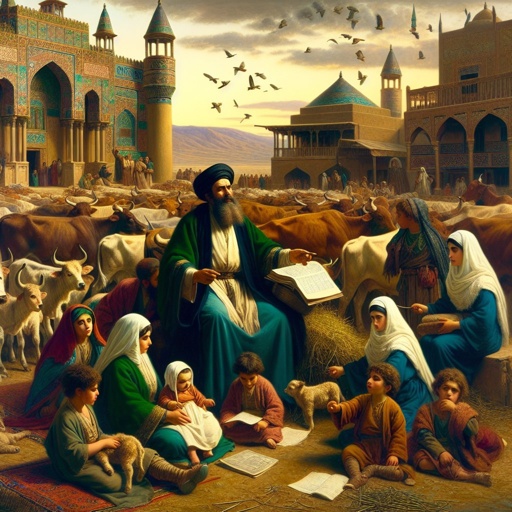
Genesis 31:43 - "¶ And Laban answered and said unto Jacob, These daughters are my daughters, and these children are my children, and these cattle are my cattle, and all that thou seest is mine: and what can I do this day unto these my daughters, or unto their children which they have born?"
"¶ And Laban answered and said unto Jacob, These daughters are my daughters, and these children are my children, and these cattle are my cattle, and all that thou seest is mine: and what can I do this day unto these my daughters, or unto their children which they have born?" - Genesis 31:43

Genesis 43:31 - "And he washed his face, and went out, and refrained himself, and said, Set on bread."
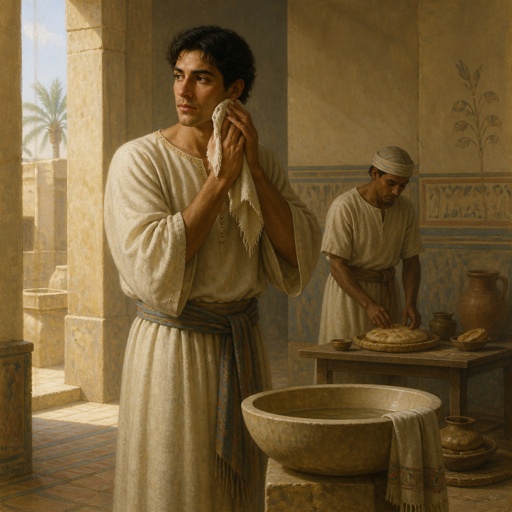
"And he washed his face, and went out, and refrained himself, and said, Set on bread." - Genesis 43:31

Exodus 28:31-43

Exodus 28:31-43

Genesis 24-43

Genesis 43:1 - "And the famine was sore in the land."

"And the famine was sore in the land." - Genesis 43:1
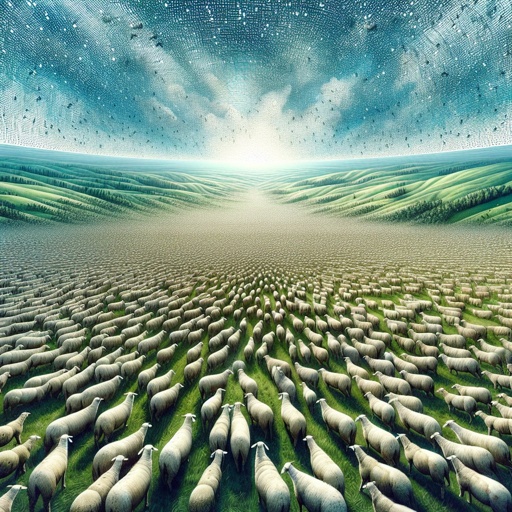
Numbers 31:43 - "(Now the half that pertained unto the congregation was three hundred thousand and thirty thousand and seven thousand and five hundred sheep,"

Genesis 43:19 - "And they came near to the steward of Joseph's house, and they communed with him at the door of the house,"

Genesis 43:13 - "Take also your brother, and arise, go again unto the man:"

Genesis 43:17 - "And the man did as Joseph bade; and the man brought the men into Joseph's house."

Genesis 43:20 - "And said, O sir, we came indeed down at the first time to buy food:"

Genesis 43:25 - "And they made ready the present against Joseph came at noon: for they heard that they should eat bread there."

Genesis 30:43 - "And the man increased exceedingly, and had much cattle, and maidservants, and menservants, and camels, and asses."

Genesis 43:4 - "If thou wilt send our brother with us, we will go down and buy thee food:"

Genesis 21-31

Genesis 18-31

Genesis 31:35

Genesis 19-31

Genesis 24-31

Genesis 43:10 - "For except we had lingered, surely now we had returned this second time."

Genesis 43:24 - "And the man brought the men into Joseph's house, and gave them water, and they washed their feet; and he gave their asses provender."

Genesis 36:43 - "Duke Magdiel, duke Iram: these be the dukes of Edom, according to their habitations in the land of their possession: he is Esau the father of the Edomites."

Genesis 43:6 - "And Israel said, Wherefore dealt ye so ill with me, as to tell the man whether ye had yet a brother?"

Genesis 27:43 - "Now therefore, my son, obey my voice; and arise, flee thou to Laban my brother to Haran;"

Genesis 43:26 - "¶ And when Joseph came home, they brought him the present which was in their hand into the house, and bowed themselves to him to the earth."

Genesis 43:33 - "And they sat before him, the firstborn according to his birthright, and the youngest according to his youth: and the men marvelled one at another."

Genesis 43:28 - "And they answered, Thy servant our father is in good health, he is yet alive. And they bowed down their heads, and made obeisance."