The Significance of Naming: Lessons from Dinah's Birth
"And afterwards she bare a daughter, and called her name Dinah." - Genesis 30:21
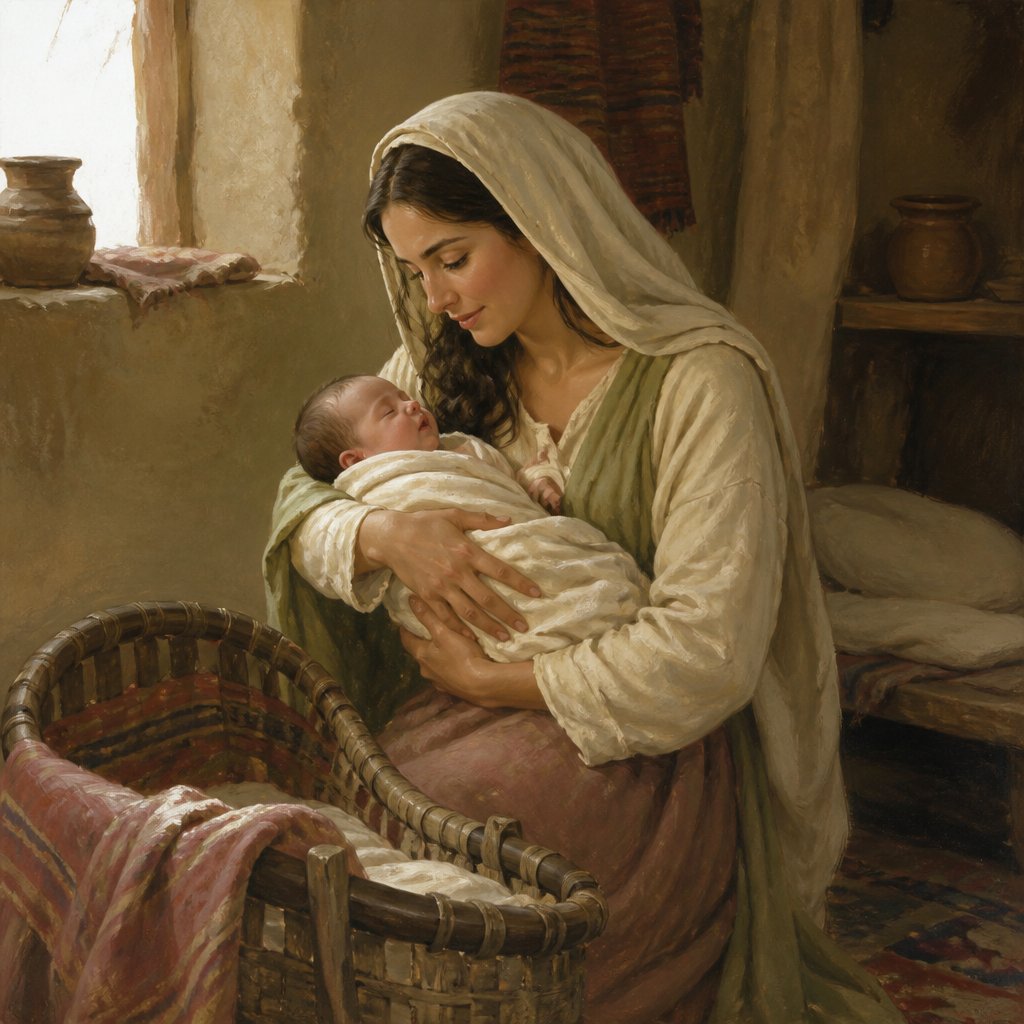
In the tapestry of biblical narratives, each character and event weaves a story rich with meaning and divine purpose. One such seemingly simple verse, Genesis 30:21, states: "And afterwards she bare a daughter, and called her name Dinah." This verse, while brief, invites us to reflect deeply on the themes of motherhood, identity, and the sovereign hand of God in our lives.
The context of this verse is critical to understanding its depth. Leah, the wife of Jacob, finds herself in a profound and painful predicament. Throughout her life, she wrestled with feelings of unlovedness and competition with her sister, Rachel. Leah had already borne Jacob several sons, each birth symbolizing a desperate hope that she might win her husband's love and affection. Named in the context of her struggles, those sons’ names reflected her yearning: Reuben, meaning "See, a son!"; Simeon, meaning "He has heard me!"; Levi, meaning "Attached!" Each name told a story of her desire to be seen and loved. Yet, love remained elusive.
The birth of Dinah introduces a significant shift in Leah's narrative. Unlike her preceding sons, whose names carried burdens of desperation, Dinah’s name stands as a beacon of hope and new beginnings. Dinah, whose name means “judged” or “vindicated,” reflects a different facet of Leah’s life – perhaps a realization that her worth is not solely determined by her ability to bear sons but rooted in her identity as a beloved daughter of God.
This moment in Genesis challenges us to consider how we perceive our identities and the way we name our experiences. How often do we allow our struggles, our lack of visible success, or our perceived failures to define who we are? Leah’s journey resonates with many – feelings of inadequacy, longing for acceptance, and navigating a world rife with competition and comparison. Yet, the birth of Dinah symbolizes a pivotal shift from striving for love to embracing one’s identity.
In naming Dinah, Leah might have unconsciously redirected her focus from her strife towards a form of empowerment. Dinah was not just another child; she was a representation of Leah’s strength and resilience in the face of her trials. To name a child is to declare hope and expectations. In the ancient world, names held power and often indicated a person's destiny. When Leah named Dinah, she may have been pronouncing her future – that Dinah would be vindicated and recognized for who she was, not just as an extension of her mother’s story, but as an individual with her own purpose.
Moreover, Dinah’s story extends beyond her name. In the verses that follow, the narrative will unfold significant events that define her life. Dinah's experiences remind us of the truth that every individual carries their own story, and God’s sovereignty threads through each life uniquely crafted and full of potential. God knows the intricacies of our lives, our struggles, and our victories; He is present in our joys and trials, weaving His purpose through our existence.
As we reflect on this verse, let us also ponder the names we give ourselves and others. How do these reflect our understanding of being loved and valued in God’s eyes? Are we clinging to identities rooted in our past failures or are we embracing the new creation that Christ has made us (2 Corinthians 5:17)? In the context of our modern struggles, may we learn to see ourselves and each other through the lens of God’s unwavering love and purpose.
As Dinah's narrative unfolds within the biblical text, let us remember the importance of our names and identities. We are not defined by our circumstances but by the One who created us. Each of us has a name written in heaven, full of destiny and hope, just as Dinah carries hers.
Let us go forth today, seeking to embody the truth of our identities in Christ, choosing to lift each other up, and recognizing the beauty in our diverse stories, knowing that each name tells a tale of grace, love, and divine justice.
Want to reflect more on Genesis 30:21?
Continue your spiritual journey with Bible Chat — an AI-powered tool for exploring God's Word through conversation. Ask questions, discover connections, and deepen your understanding.
Get Our Apps


Genesis 30:21 Artwork

Genesis 30:21 - "And afterwards she bare a daughter, and called her name Dinah."
"And afterwards she bare a daughter, and called her name Dinah." - Genesis 30:21

Genesis 21-30

Genesis 21:30 - "And he said, For these seven ewe lambs shalt thou take of my hand, that they may be a witness unto me, that I have digged this well."

Genesis 19-30

Genesis 24-30

Genesis 18-30

Genesis 21-21

Genesis 30:10-11

Genesis 29:15-30

Genesis 30:5 - "And Bilhah conceived, and bare Jacob a son."

Genesis 11:30 - "But Sarai was barren; she had no child."

Genesis 1:21

Genesis 1:21

Proverbs 21:30 - "There is no wisdom nor understanding nor counsel against the LORD."
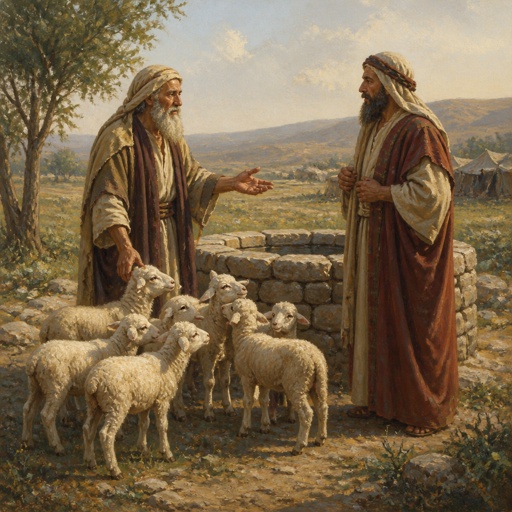
"And he said, For these seven ewe lambs shalt thou take of my hand, that they may be a witness unto me, that I have digged this well." - Genesis 21:30

Genesis 30:10 - "And Zilpah Leah's maid bare Jacob a son."

Proverbs 30:21 - "For three things the earth is disquieted, and for four which it cannot bear:"

Genesis 30:19 - "And Leah conceived again, and bare Jacob the sixth son."

Genesis 26:30 - "And he made them a feast, and they did eat and drink."

Genesis 30:12 - "And Zilpah Leah's maid bare Jacob a second son."

Joshua 21:30 - "And out of the tribe of Asher, Mishal with her suburbs, Abdon with her suburbs,"

Genesis 30:28 - "And he said, Appoint me thy wages, and I will give it."

Genesis 21-20

Genesis 21-6

Genesis 21-13

Genesis 21-10

Genesis 21-34

Genesis 21-2

Genesis 21-7