The Divine Intervention in Our Struggles
"¶ And when the LORD saw that Leah was hated, he opened her womb: but Rachel was barren." - Genesis 29:31
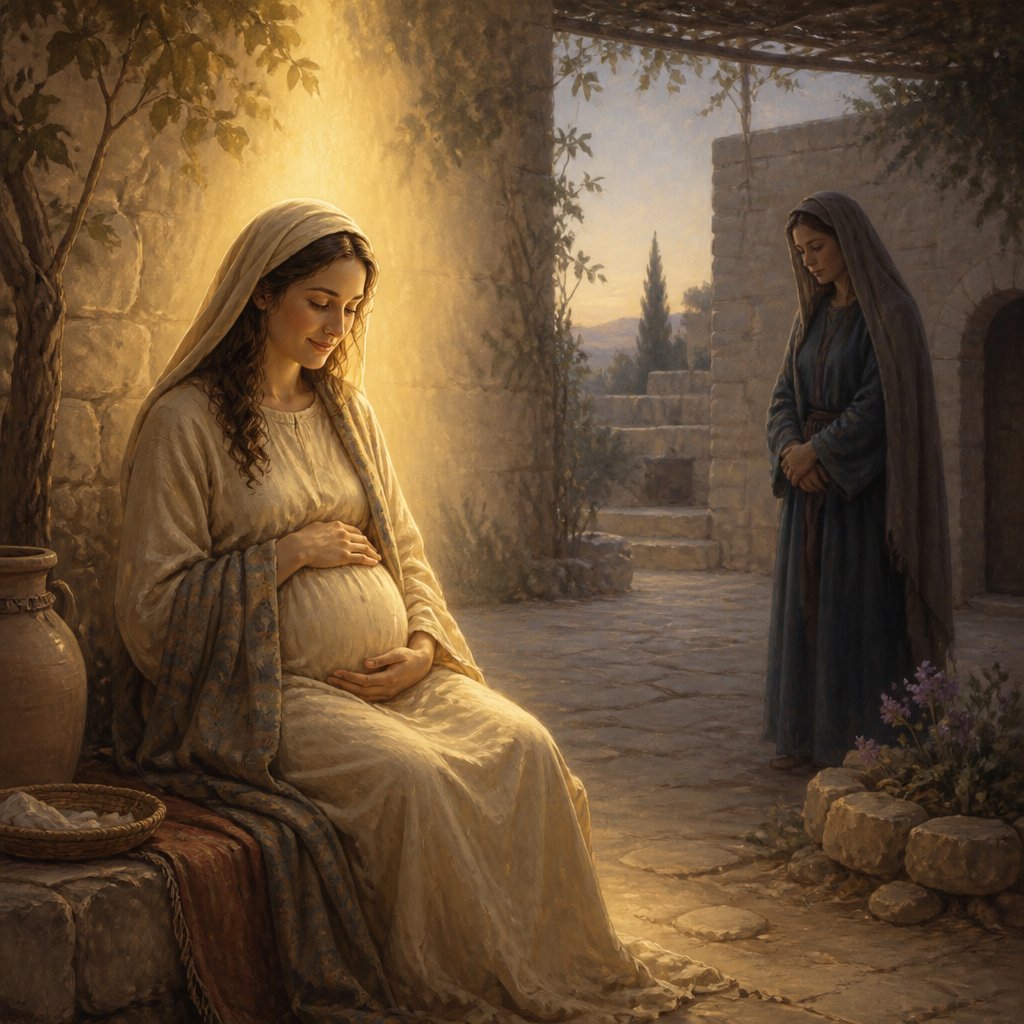
Throughout the Bible, we often encounter the complexities of human emotions and relationships. Genesis 29:31 reads: "And when the LORD saw that Leah was hated, he opened her womb: but Rachel was barren." This verse offers a profound insight into God’s compassion for the marginalized and His sovereign control over human circumstances.
In the context of this scripture, we delve into a turbulent household where Leah is married to Jacob, who is deeply in love with her sister Rachel. The phrase "saw that Leah was hated" starkly captures the pain of rejection that Leah experiences. Despite being the elder sister and married first, Leah finds herself in the shadows of her sister's beauty and Jacob's affections. The word "hated" implies more than mere indifference; it suggests neglect and sorrow, cultivating a deep sense of worthlessness within Leah.
What does it mean to be hated in a world that often values superficial beauty and social status? Leah epitomizes those who feel undervalued or dismissed. Yet, even in her distress, we witness God’s faithfulness. The Lord sees Leah's plight; He recognizes her pain and responds with compassionate action.
The opening of Leah's womb is a pivotal moment in this narrative. To open her womb signifies more than the gift of children; it's a divine declaration of her worth. In a patriarchal society where fertility was a woman’s pride and a sign of favor, Leah's ability to bear children becomes a reminder that God places intrinsic value on her life, overshadowing the societal norms that dictate her worth.
In our lives, we often struggle with feelings of insignificance or societal rejection. Perhaps you feel invisible in your work, overlooked in your family, or underappreciated in your community. Leah's story reassures us that God sees our struggles. He does not turn a blind eye to our anguish; rather, He is intimately aware of our hearts.
The contrast between Leah and Rachel highlights this divine perspective even further. Rachel, who is loved, is barren. The deep desire for children consumes her, leading her to a desperate state of longing and envy. Here we learn that status and love do not guarantee fulfillment or peace. God's working is beyond our human understanding. In this narrative, despite Leah's painful circumstances, God's action towards her births hope and possibility. Through her initial sorrow, Leah not only becomes a mother, but she also plays a vital role in the unfolding of God's plan for the lineage of Israel.
Moreover, Leah bears the first four sons of Jacob— Reuben, Simeon, Levi, and Judah— each signifying a step towards the fulfillment of God's promises. Each child embodies something more than just a moment of birth; they symbolize God's faithfulness and His providence amidst human turmoil. Leah's perseverance in faith through her struggles becomes a testament of God's grace in our lives.
As we reflect on Leah’s life, we can draw parallels to our own experiences. In the struggles that seem insurmountable and in relationships that feel fraught with pain, we are called to trust God's greater plan. We must remember that our value is not determined by others’ affections but by God’s eternal love and purpose for our lives. Just as God intervened in Leah’s life, He desires to intervene in ours, opening our wombs to new possibilities, hope, and strength in times of despair.
Let Leah's story remind you that in your moments of feeling hated or overlooked, God is working behind the scenes. He sees you, He knows you, and He is waiting to reveal His goodness in your life. Lean into Him, allow Him to open your womb—your potential, your dreams, your voice—and embrace the divine plan He has for you.
Want to reflect more on Genesis 29:31?
Continue your spiritual journey with Bible Chat — an AI-powered tool for exploring God's Word through conversation. Ask questions, discover connections, and deepen your understanding.
Get Our Apps


Genesis 29:31 Artwork

Genesis 29:31 - "¶ And when the LORD saw that Leah was hated, he opened her womb: but Rachel was barren."
"¶ And when the LORD saw that Leah was hated, he opened her womb: but Rachel was barren." - Genesis 29:31
Genesis 31:29 - "It is in the power of my hand to do you hurt: but the God of your father spake unto me yesternight, saying, Take thou heed that thou speak not to Jacob either good or bad."

Genesis 21-31

Genesis 18-31

Genesis 31:35

Genesis 19-31

Genesis 24-31

Proverbs 31:29 - "Many daughters have done virtuously, but thou excellest them all."

Numbers 31:29 - "Take it of their half, and give it unto Eleazar the priest, for an heave offering of the LORD."

Genesis 29:29 - "And Laban gave to Rachel his daughter Bilhah his handmaid to be her maid."

Genesis 29-2

Genesis 29-6

Genesis 29-5

Genesis 42:29

Genesis 29:1

Genesis 29-7

Genesis 18-29

Genesis 26:29

Genesis 19-29

Genesis 29-8

Genesis 29-3

Genesis 29-4

Genesis 21-29

Genesis 24-29

Exodus 29:31 - "¶ And thou shalt take the ram of the consecration, and seethe his flesh in the holy place."

Joshua 24: 29-31 An image including old Jushua

Genesis 29:16-35

Genesis 29:15-30

Genesis 31:22 - "And it was told Laban on the third day that Jacob was fled."