The Weight of Choices: Understanding Generational Decisions
"And Esau seeing that the daughters of Canaan pleased not Isaac his father;" - Genesis 28:8
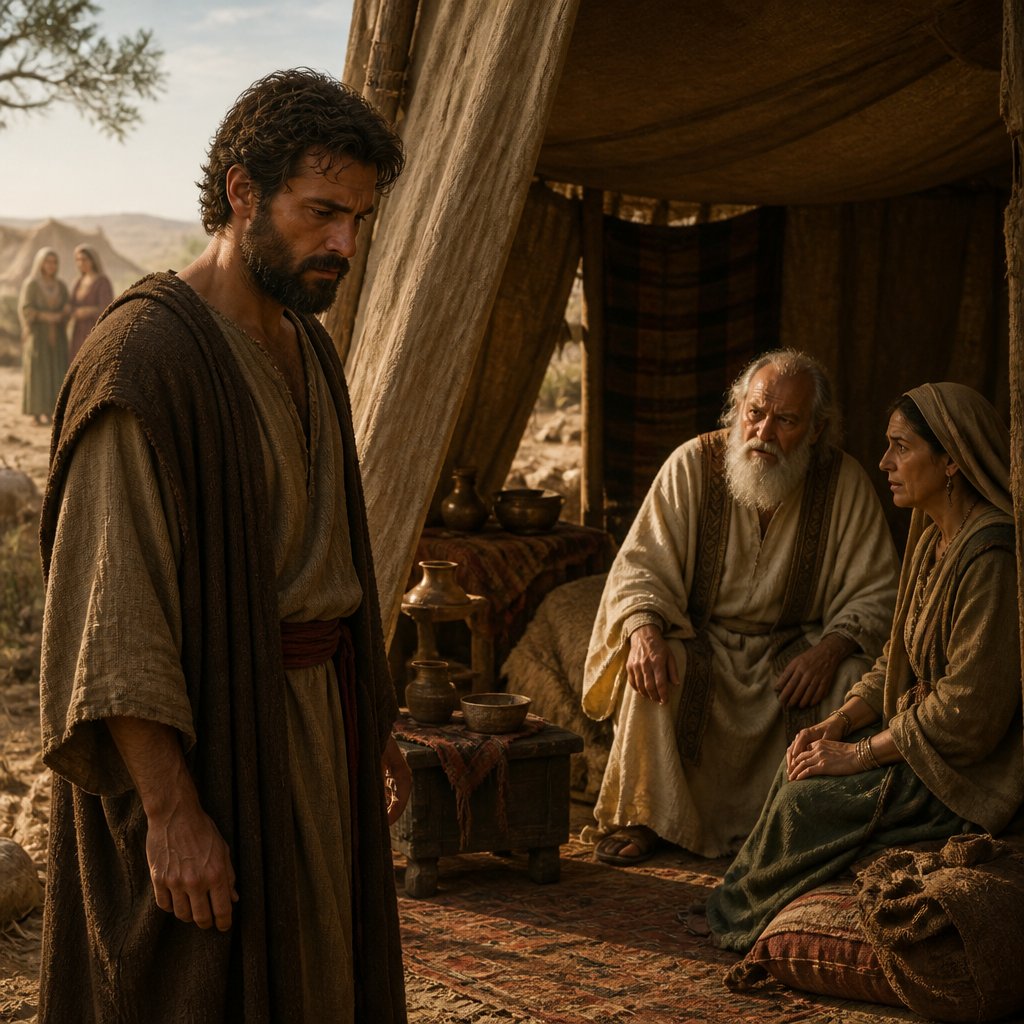
Genesis 28:8 states, "And Esau seeing that the daughters of Canaan pleased not Isaac his father;" This passage introduces us to a critical moment in Esau’s life, where he becomes acutely aware of the implications of choice—his own, and the preferences of those who matter to him, especially his father, Isaac.
To fully grasp the gravity of this verse, we first need to explore the familial dynamics at play. Isaac and Rebekah, as parents, carried their own cultural backgrounds and values, which undoubtedly influenced their expectations for their sons. The daughters of Canaan, who were not aligned with the Hebrews' traditions and values, represented a choice that was not just personal but relational, impacting the family unit and future generations. For Esau, who had previously made choices that cost him greatly—like selling his birthright for a mere bowl of stew—this moment highlights a turning point in his understanding of legacy and family expectations.
Esau’s realization indicates a significant moment of self-awareness and reflection. Previously, he had demonstrated a disregard for spiritual matters, prioritizing physical desires over his inheritance as the firstborn (Genesis 25:34). His actions often brought disapproval from Isaac, and now he stands at a crossroads, recognizing that his choices not only affect him but also his father's heart. The weight of a father’s disappointment is something that resonates deeply, suggesting that Esau begins to comprehend the ripple effect of his actions—not only how they impact his own life but also how they influence his family and honor.
This realization can be likened to the modern-day understanding of relationships and how our choices resonate within families and communities. Each decision, particularly those involving relationships, has the potential to shape our futures and the futures of those who come after us. Just as Esau acknowledges the displeasure of his father toward the Canaanite women, we too are called to examine the relationships in our lives—are they honoring to our families? Do they reflect the values we hold dear? Are they in alignment with our spiritual beliefs?
Furthermore, Esau's choice to look for wives that would please his father is a poignant reminder of the need to prioritize the values we hold within our families. In today's context, this can translate into cultivating relationships that reinforce faith, morals, and respect for God-given principles. While Esau's journey is fraught with missteps, his moment of reflection serves as a wake-up call. He becomes aware of the assurance and support that comes from pursuing relationships that align with his family’s values.
As we reflect on Genesis 28:8, it is essential to recognize that our choices have the power to build or fracture familial bonds. We have the opportunity to uplift our loved ones by choosing wisely in our relationships and lifestyle choices, learning from the examples set before us. This may involve seeking guidance through prayer, engaging in open conversations about values and expectations, and being mindful of the impressions our choices leave on our families.
Ultimately, the essence of Esau’s realization is a call to honor generational poise. Each generation is afforded the privilege to make choices that uplift their family heritage and faith. In a world consumed with individualism and personal fulfillment, Genesis 28:8 reminds us of the importance of shared stories, sacred choices, and a life that not only honors self but also respects the lineage and loved ones who came before us.
In conclusion, may we each search our hearts and examine the weight of our choices. Let us strive to make decisions that bring joy, pride, and honor to our families, reflecting a deeper understanding of our identity within the larger narrative of our heritage. As we walk the path marked before us, may the choices we make bless our families, build up our legacy, and most importantly, bring glory to the One who guides our steps.
Want to reflect more on Genesis 28:8?
Continue your spiritual journey with Bible Chat — an AI-powered tool for exploring God's Word through conversation. Ask questions, discover connections, and deepen your understanding.
Get Our Apps


Genesis 28:8 Artwork

Genesis 28:8 - "And Esau seeing that the daughters of Canaan pleased not Isaac his father;"
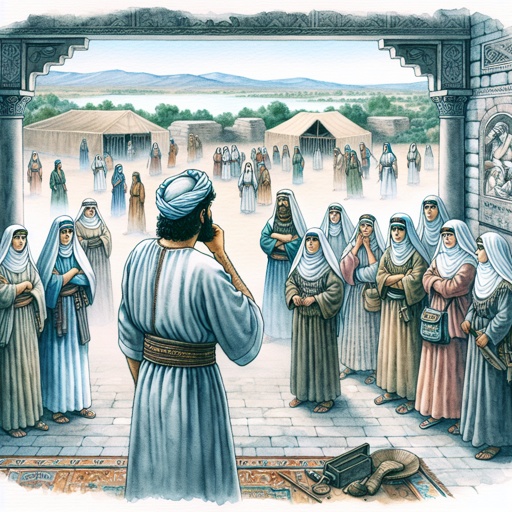
Genesis 28:8 KJV And Esau seeing that the daughters of Canaan pleased not Isaac his father;

Genesis 28:8 KJV And Esau seeing that the daughters of Canaan pleased not Isaac his father;
"And Esau seeing that the daughters of Canaan pleased not Isaac his father;" - Genesis 28:8

Genesis 28-15

Genesis 28-22

Genesis 28-12

Genesis 28-21

Genesis 28-16

Genesis 28-17

Genesis 28:18

Genesis 24:28

Genesis 28:18

Genesis 21:28

Genesis 28-20

Genesis 28-19

Genesis 28-11

Genesis 28-14

Genesis 28-13

Genesis 19-28

Genesis 28:10

Genesis 18-28

Genesis 10:28 - "And Obal, and Abimael, and Sheba,"

Genesis 36:28 - "The children of Dishan are these; Uz, and Aran."

matthew 8:28

Romans 8:28

Romans 8:28

Romans 8:28

Romans 8:28

Romans 8:28